 1300 138 591
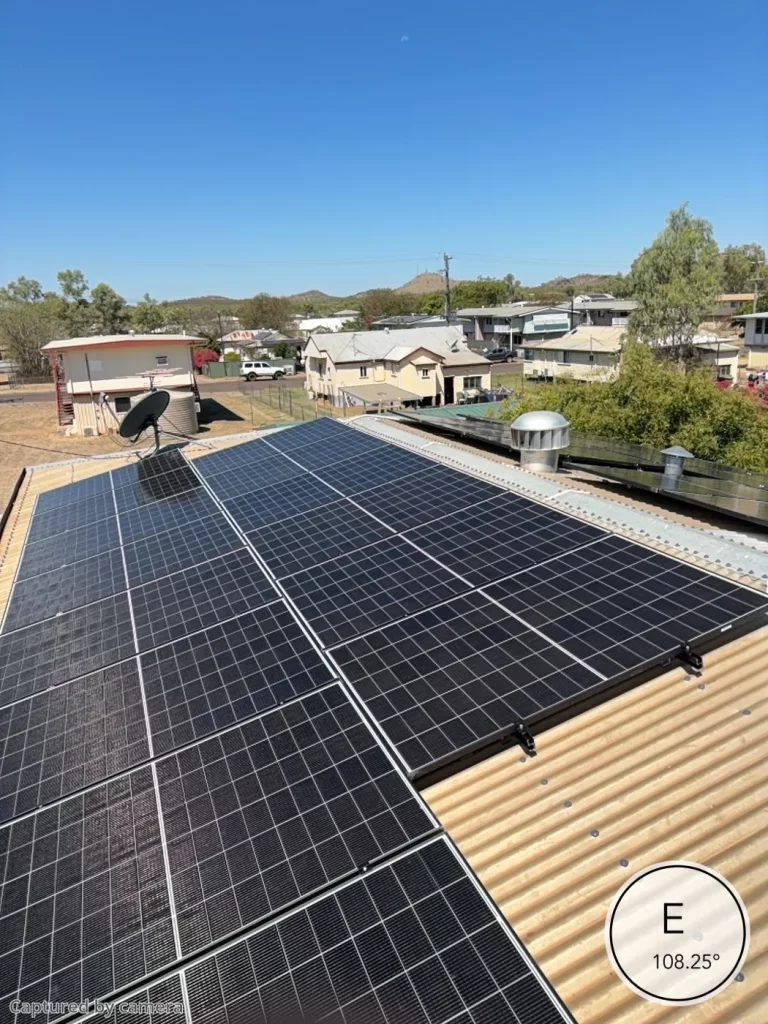
The short answer: sunlight knocks electrons loose inside silicon cells, that creates DC electricity, an inverter turns it into the AC power your house runs on, and whatever you don’t use can head out to the grid. No wizardry. No sunshine in a jar.
What is actually happening on your roof?
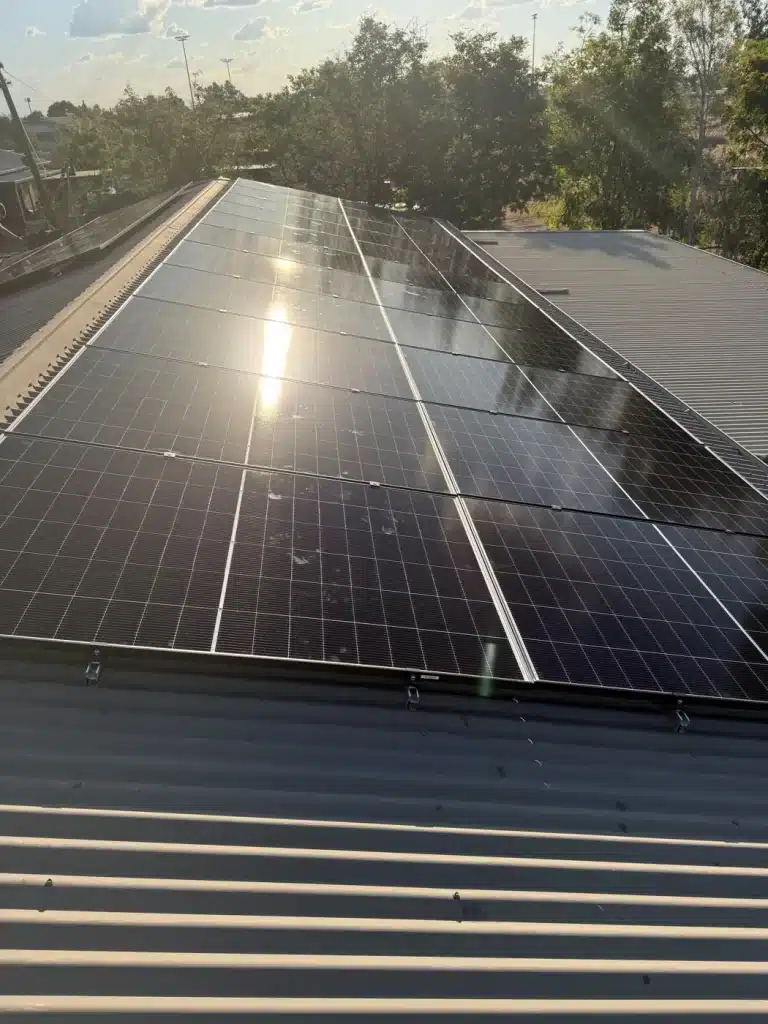
A solar panel is a sandwich of silicon cells with a glass front and a tough frame. When daylight hits a cell, it shakes electrons loose. The cell’s built-in electric field then pushes those electrons in one direction, and a one-way flow of electrons is, you guessed it, electricity.
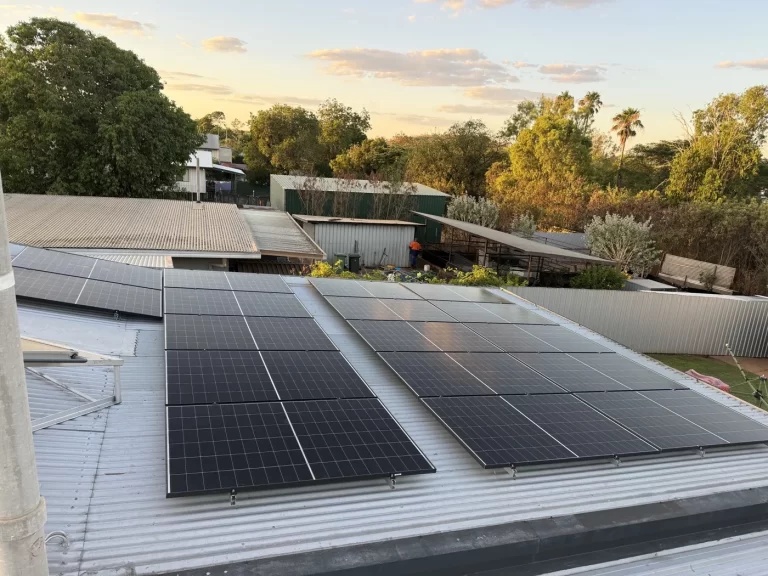
One cell makes a tiny amount, so a modern panel links up dozens of them. Panels are then joined together in strings, and the whole lot sends its power down a cable to your inverter.
Note that panels run on light, not heat. A bright, cool day is happier than a scorching one, because hot panels lose a little efficiency.
The five-step trip from roof to toaster
- Sunlight hits the panels and creates DC (direct current) electricity.
- The inverter converts it to AC (alternating current), which is what your appliances use.
- Your switchboard sends that power to whatever is running right now: fridge, pool pump, the telly nobody is watching.
- Any surplus goes out through your meter to the grid, and your retailer may pay you a feed-in credit for it.
- When the sun is down, you draw from the grid, or from a battery if you have one.
Three myths worth retiring
“Panels store power.” They don’t. Panels make it, batteries store it. If you want solar at night, you need a battery or the grid. We cover how that works in Do Solar Panels Work at Night? and How Do Solar Batteries Work?.
“You need blazing heat.” See above. Light is the fuel.
“Cloud kills it.” Cloud cuts output, it doesn’t switch it off.
Does it work differently in each state?
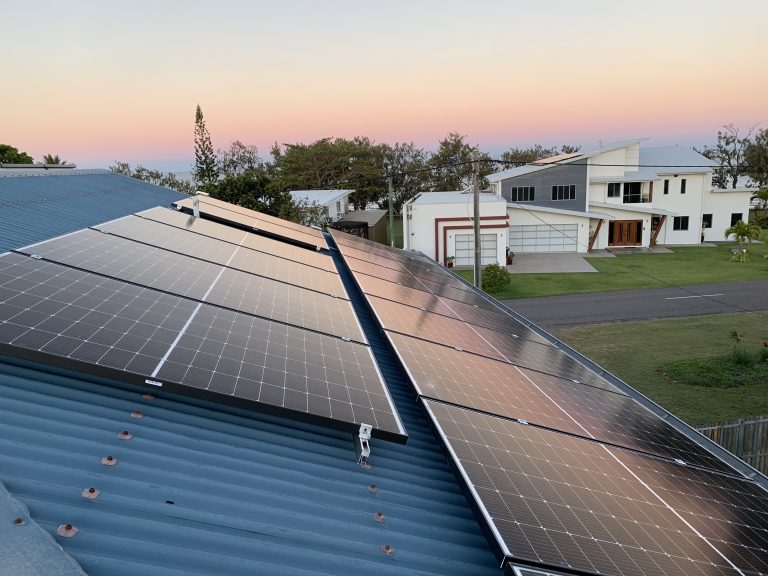
The physics is identical in Queensland, Western Australia, Tasmania and NSW. What changes is how much sun you get, how long the days are and how your roof is angled. A Mount Isa roof will out-produce a Hobart one over a year, but a well-designed Tasmanian system still makes plenty of power. It just needs to be designed around shorter winter days.
Why this matters when you get a quote
Once you know the chain (panels make it, the inverter makes it usable, the battery lets you keep it for later), a quote gets a lot easier to read. You can see where the money is going and ask better questions. If you want the bigger picture, our residential solar guide walks through it.
General information only, current at November 2026. Prices, rebates and tariffs change, so check current terms before you buy.
Want a straight answer for your place?
Book a free Energy Assessment. We start with a call, come out to your place if it suits, look over your power bill and any existing solar, and give you a recommendation that fits. No pressure, no sales theatre.
Book a free Energy AssessmentPrefer to talk? Call 1300 138 591