 1300 138 591
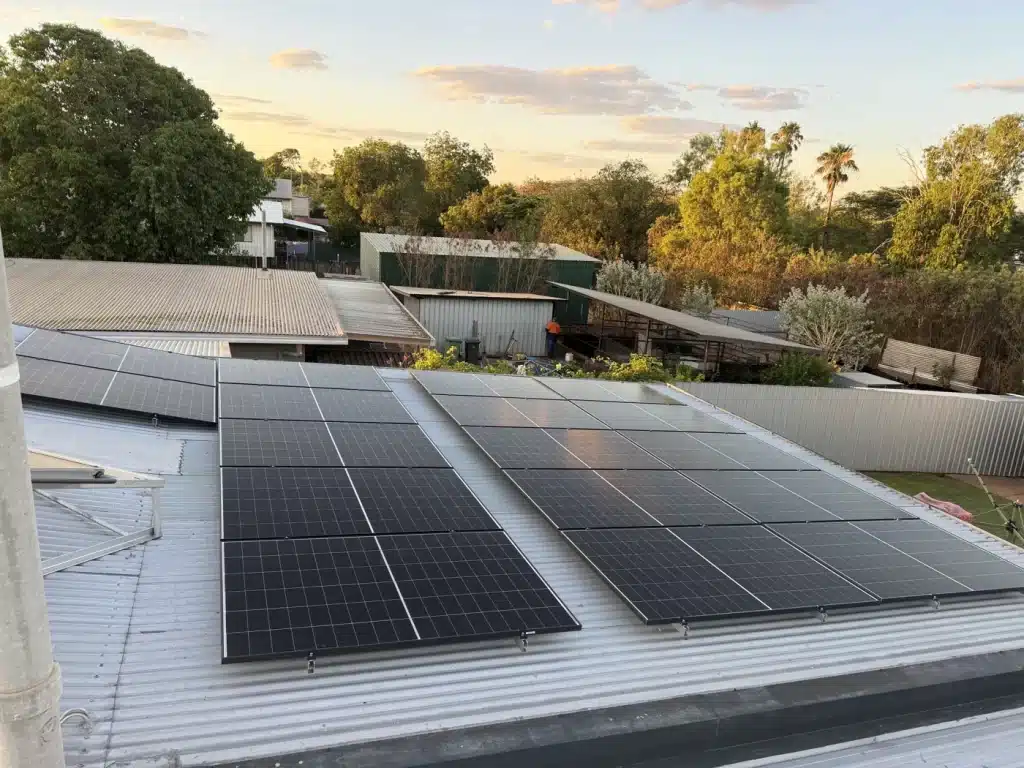
The short answer: panels do not work at night. They do work on cloudy days, just with less output. And they carry on in rain too, which has the bonus of washing off the dust.
At night
No sun, no solar. Panels don’t have a night shift. Moonlight produces so little that it is effectively nothing. If you want to use solar power after dark, you need either the grid or a battery that stored some daytime surplus. We explain how in How Do Solar Batteries Work?.
On cloudy days
Panels still make power in cloud, but a lot less. Heavy overcast can cut output to a fraction of a clear day. Light or broken cloud costs you less, and there’s a fun quirk: on some partly cloudy days, bright edges of cloud can briefly boost output above what you’d see under a clear sky. Fancy that.
In the rain
Rain usually comes with cloud, so output drops. But rain rinses off dust and grime, so your panels are often cleaner afterwards. If you want to know when a manual clean is worth it, see How Much Does It Cost to Clean Solar Panels?.
In winter
Shorter days and a lower sun mean less output. But panels actually like cool temperatures, so a crisp, clear winter day can still perform very well. System designers account for this by looking at your whole year, not just summer.
In summer heat
Panels lose a little efficiency as they heat up, by a few tenths of a percent for each degree above their test temperature. That is why a mild, bright day can sometimes beat a stinker. Longer days usually make up for it.
And in a blackout?
A standard grid-connected solar system shuts down when the grid goes down, even in full sun. That is a safety feature. Backup needs a battery and a backup-capable inverter. Our storm season guide has the detail.
Does it matter which state you’re in?
Yes, mostly for how much sun you get across a year. Northern and central Queensland and northern WA are strong most of the year. Tasmania and the NSW tablelands see bigger winter dips. A good design uses your local sun data and your usage pattern, not a one-size-fits-all guess.
So what should you do about nights?
Look at when you use power. If most of your usage is in the evening, a battery or shifting heavy loads to the daytime will help. Our battery sizing guide shows how to work it out.
General information only, current at November 2026. Prices, rebates and tariffs change, so check current terms before you buy.
Want a straight answer for your place?
Book a free Energy Assessment. We start with a call, come out to your place if it suits, look over your power bill and any existing solar, and give you a recommendation that fits. No pressure, no sales theatre.
Book a free Energy AssessmentPrefer to talk? Call 1300 138 591