 1300 138 591
The short answer: A solar generator is a battery with a few sockets and a solar input. It is brilliant for camping and short outages. It is not a home system, and it will not cut your power bill by much.
What a solar generator does well
- Powers a fridge, lights and phones for a while in a blackout.
- Goes with you on a camping trip or to a remote job.
- Needs no installer and no wiring.
Where it falls short
Most portable units hold a modest amount of energy, far less than a home battery. Charge them from a plug-in panel and it takes hours. They cannot run your whole house, and they do not reduce your bill every day the way a roof system does. Check the specs of any unit, as capacities and outputs vary widely.
What a home system does
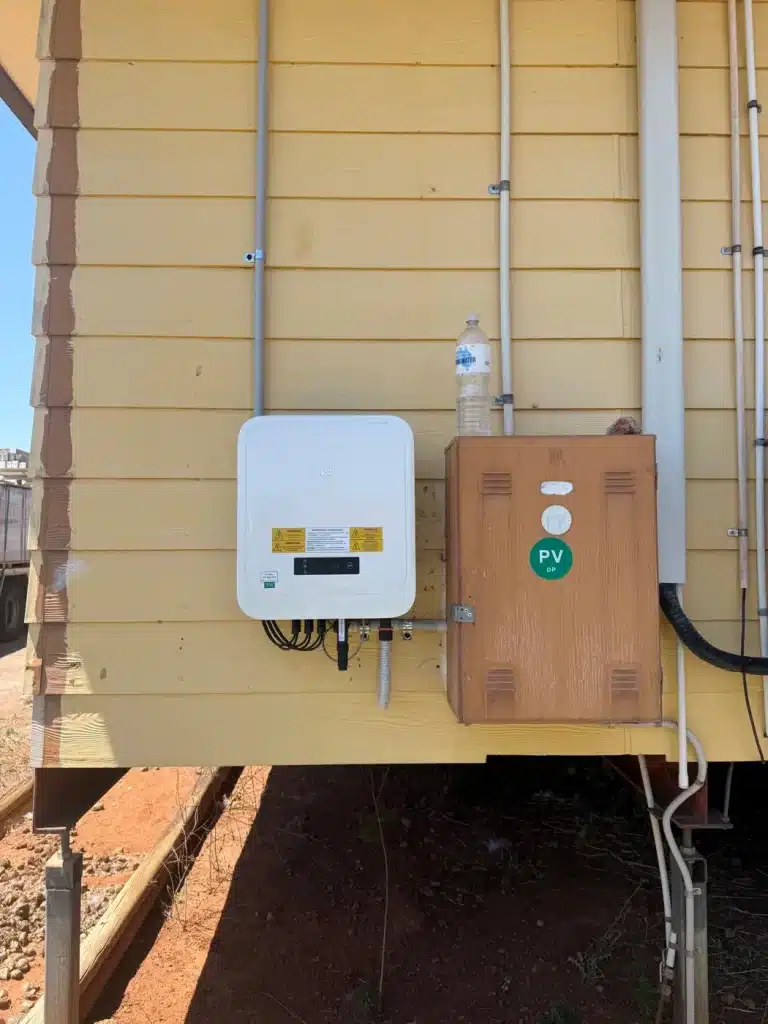
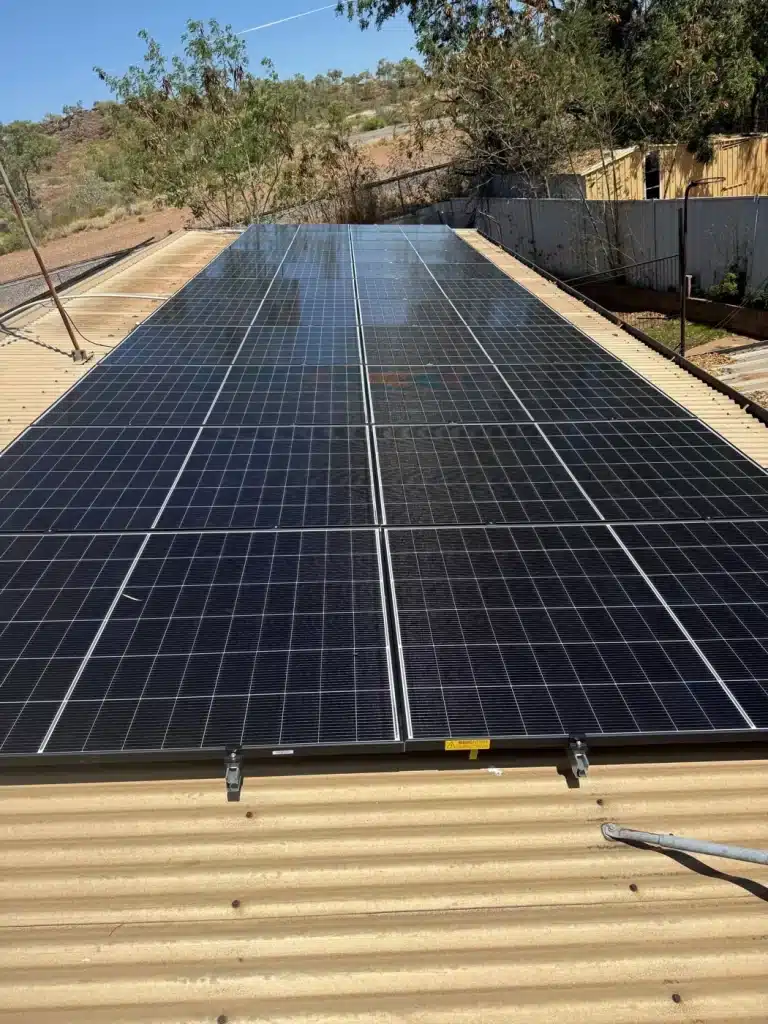
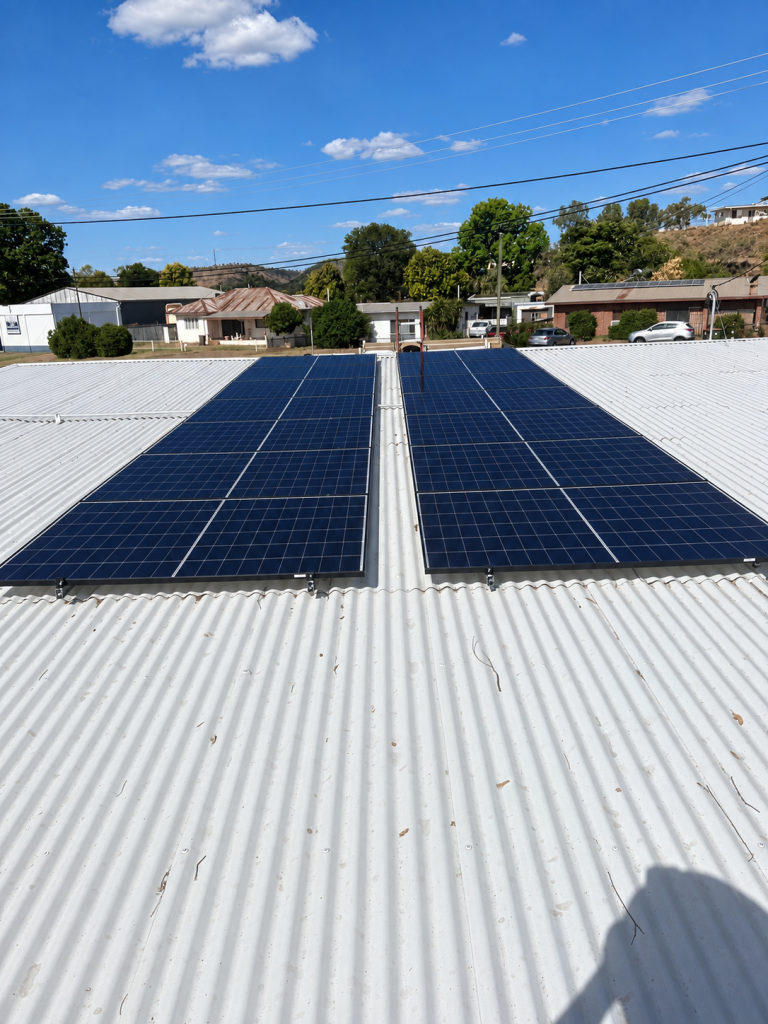
A home system is wired into your switchboard, runs the house automatically, exports extra power and can include a battery. It saves money every day, not only when the lights go out. See how solar panels work and how solar batteries work.
Does it differ by state?
Rebates and rules for home systems differ between QLD, NSW, WA and Tasmania. Portable generators generally do not qualify for the same incentives. Check current terms.
Which should you buy?
- Occasional outages and camping: a solar generator is fine.
- Cutting bills and running the house: a proper system.
- Both: plenty of people do both.
One safety note
Do not plug a portable unit back into a power point to feed your house. Anything wired into your home needs a licensed electrician.
If you are still weighing it up, upload your bill and we will tell you straight which route makes sense.
General information only, current at November 2026. Prices, rebates and tariffs change, so check current terms before you buy.
Want a straight answer for your place?
Book a free Energy Assessment. We start with a call, come out to your place if it suits, look over your power bill and any existing solar, and give you a recommendation that fits. No pressure, no sales theatre.
Book a free Energy AssessmentPrefer to talk? Call 1300 138 591