
 1300 138 591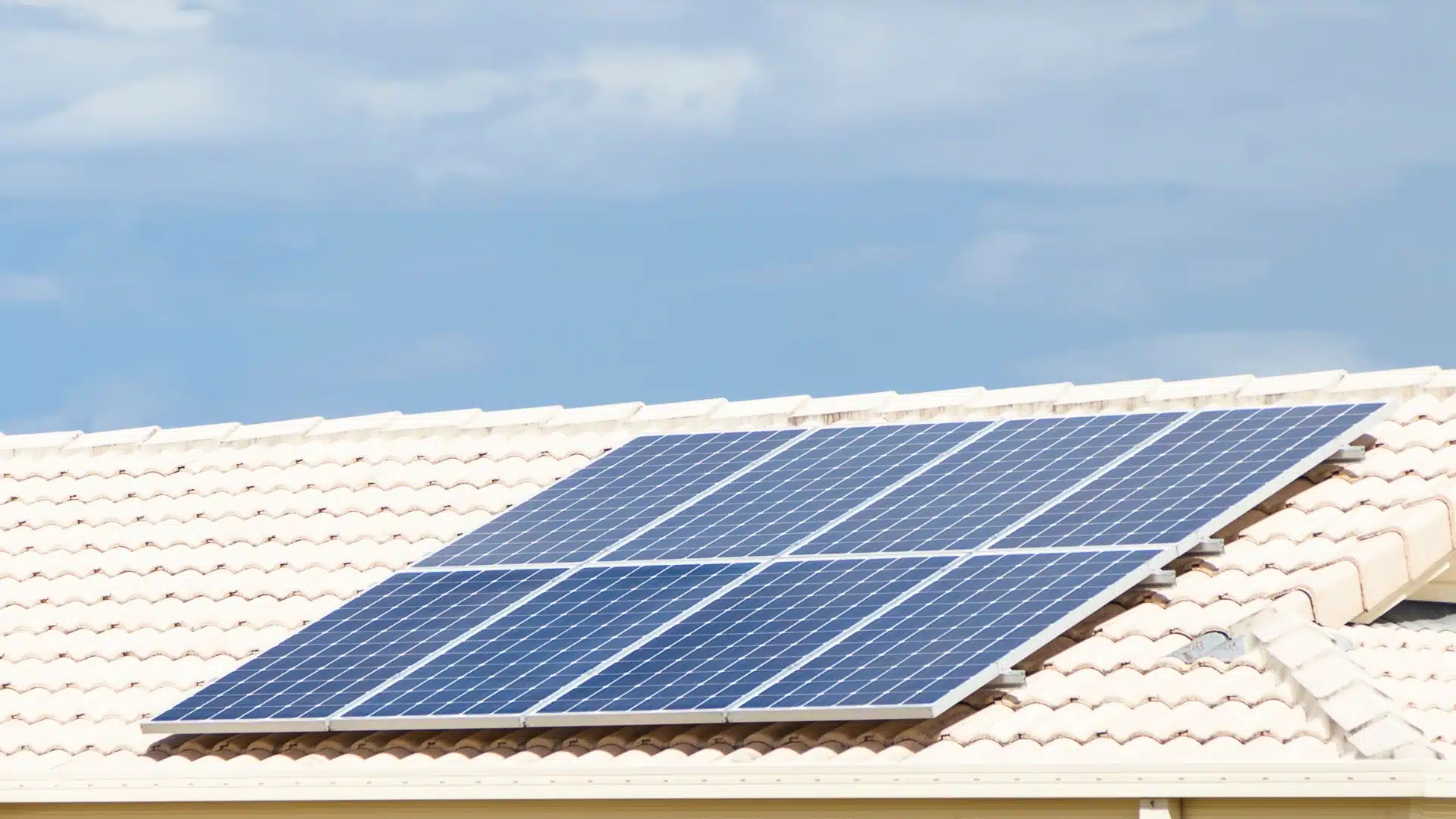
Electricity bills are getting higher every year.
Did you know a Whole Home Solar & Battery Solution could fix that? Well it can – For good.
No more power bills. It’s possible. And it’s becoming a reality for many Australians.
We speak with homeowners across Australia who are looking for this exact solution.
Energy costs keep rising, and it feels like you have no control over it.
At the same time, there is so much information about solar that it can get confusing, fast.
You hear about savings, rebates, and long term benefits, but it is hard to know what is actually true.
That is why we’ve created this guide.
At Nexa Solar, we believe solar should be simple to understand.
You should be able to make a confident decision without feeling overwhelmed. And not feel like you’re being forced into a sale for some sales rep just to make their monthly quota.
Your bill should be removed, and if it’s not or can’t be, you should know the facts as to why.
If you are thinking about switching to a solar and battery system, or just want to understand how residential solar systems in Australia really work, this guide will walk you through everything step by step.
What Are Residential Solar Systems?
Residential solar systems are setups installed on homes that use solar panels to convert sunlight into electricity for everyday use.
They typically include:
- Solar panels installed on your roof
- An inverter that converts energy into usable electricity
- A system that powers your home and can send excess energy to the grid
In simple terms, they allow your home to generate its own electricity from the sun.
Are Residential Solar Systems Worth It in Australia?
Residential solar systems in Australia are generally worth it because they help homeowners significantly reduce electricity bills, take advantage of government rebates, and gain more control over their energy usage. With abundant sunlight across most parts of Australia, solar panels can generate a consistent amount of electricity throughout the year. Most systems pay for themselves within a few years through savings on power bills, after which the electricity generated is essentially free.
In addition, many homeowners benefit from feed in tariffs, where excess energy is sent back to the grid for credits. This further improves the return on investment. Solar also protects you from rising energy prices, which have been increasing steadily. Beyond financial benefits, it contributes to a cleaner environment by reducing reliance on fossil fuels. For most households, installing residential solar systems Australia is not just a cost saving decision, but a long term investment in energy independence and sustainability.
How Does Solar Energy Work?
Solar energy works by converting sunlight into electricity that your home can use, reducing your reliance on traditional power sources.
Here is a simple step by step explanation:
1. Sunlight hits your solar panels
During the day, your solar panels absorb sunlight. Even on cloudy days, panels can still capture some level of solar energy, although efficiency may be slightly reduced.
2. Energy is converted into electricity
The solar panels generate electricity in the form of direct current, also known as DC power. This is the raw form of electricity produced from sunlight.
3. The inverter converts the energy
Since your home uses alternating current, or AC power, the inverter plays a key role. It converts the DC electricity from your panels into AC electricity that your home can actually use.
4. Your home uses the power
Once converted, the electricity flows through your home and powers your appliances, lighting, and devices. This means you are using your own generated energy instead of drawing from the grid.
5. Excess energy goes back to the grid
If your system produces more electricity than your home needs, the extra energy is sent back to the grid. In many parts of Australia, you receive credits for this through feed in tariffs, which can help reduce your overall energy costs.
This entire process happens automatically. Once your system is installed, it requires minimal maintenance and continues generating power for years, making it a reliable long term solution.
How Do Solar Panels Work?
Solar panels work using photovoltaic technology, which allows them to convert sunlight directly into electricity.
Each panel is made up of multiple photovoltaic cells, usually created from silicon. When sunlight hits these cells, it excites the electrons within the material, creating an electrical current. This is what generates power for your home.
Here is a deeper look at why modern solar panels are so effective:
They Can Generate Energy Even On Cloudy Days
While direct sunlight produces the most energy, panels can still generate electricity from diffused sunlight. This makes them suitable for different weather conditions across Australia.
They Are Designed To Last 20 To 25 Years Or More
Most high quality solar panels come with long warranties and are built to withstand harsh weather, including heat, wind, and rain. This durability makes them a strong long term investment.
Efficiency Has Improved Significantly Over Time
Modern panels are far more efficient than older models. This means they can generate more electricity from the same amount of sunlight, helping you maximise your energy output.
Because of these advancements, homeowners can rely on solar panels to consistently produce energy throughout the year, even with seasonal changes.
Is Solar Really Worth It In Australia?
For most homeowners, solar is not just worth it, it is one of the smartest long term decisions you can make.
Australia has some of the best conditions in the world for solar energy. With high levels of sunlight throughout the year, systems can generate a strong and consistent output, making them highly effective.
Here are the key reasons why solar is worth considering:
Government Rebates Reduce Upfront Costs
Programs such as small scale technology certificates help lower the initial investment, making solar more accessible for homeowners.
High Electricity Prices Increase Savings
As energy costs continue to rise, generating your own electricity becomes more valuable. Solar allows you to reduce your dependence on the grid and avoid rising bills.
Strong Sunlight Availability
Australia’s climate makes it ideal for solar energy generation. This means you can produce more power compared to many other countries.
Long Lifespan Of Solar Systems
With systems lasting 20 years or more, you benefit from long term savings well beyond the initial payback period.
Most homeowners see a return on investment within 3 to 5 years, depending on system size and energy usage. After that, the savings continue, making solar not just a cost saving option, but a long term financial advantage.
Key Benefits of Residential Solar Systems
1. Lower electricity bills
One of the biggest reasons homeowners switch to solar is to reduce their electricity costs.
With a solar system, you generate your own power during the day, which means you rely less on electricity from the grid. This can significantly reduce your monthly bills, especially if your household uses most of its energy during daylight hours.
Over time, these savings can add up to thousands of dollars.
2. Energy independence
Relying solely on energy providers means you are affected by rising prices and changing rates.
Solar gives you more control. By generating your own electricity, you become less dependent on external providers. If you combine your system with battery storage, you can store excess energy and use it later, giving you even more independence.
This added control is becoming increasingly valuable as energy costs continue to rise.
3. Increased property value
Homes with solar systems are becoming more attractive to buyers in Australia.
Buyers are often willing to pay more for a property that already has a solar system installed because it offers immediate savings on energy bills. It also signals that the home is energy efficient and future ready.
This means your investment in solar can also increase the overall value of your property.
4. Environmental benefits
Solar energy is a clean and renewable source of power.
By switching to solar, you reduce your reliance on fossil fuels and lower your carbon footprint. This helps contribute to a more sustainable future and reduces environmental impact.
For many homeowners, this is an important factor alongside the financial benefits.
5. Long term savings
While there is an upfront cost to installing a solar system, the long term savings make it worthwhile.
Most systems pay for themselves within a few years. After that, the electricity you generate is essentially free, apart from minimal maintenance costs.
With systems lasting 20 years or more, this creates a strong return on investment over time.
Cost of Residential Solar Systems in Australia
| System Size | Average Cost | Suitable For |
| 3kW | $3,000 to $5,000 | Small homes |
| 6.6kW | $5,000 to $9,000 | Average homes |
| 10kW | $9,000 to $14,000 | Large homes |
Prices can vary depending on system quality, installation, and location, but rebates can significantly reduce the upfront cost.
How to Choose the Right Solar System
Step 1: Assess your energy usage
Start by reviewing your electricity bills to understand how much power your household uses.
Look for patterns such as:
- Daily energy consumption
- Peak usage times
- Seasonal changes
This helps you choose a system size that matches your needs instead of over or under investing.
Step 2: Check your roof suitability
Your roof plays a key role in how effective your solar system will be.
Consider:
- Roof orientation and angle
- Amount of sunlight exposure
- Shading from trees or nearby buildings
- Available space for panels
A well positioned roof can significantly improve the performance of your system.
Step 3: Compare system sizes
Solar systems come in different sizes, and choosing the right one is important.
A system that is too small may not generate enough energy, while a system that is too large may not deliver the best return on investment.
The goal is to find a balance based on your energy usage and budget.
Step 4: Understand available rebates
In Australia, government incentives can reduce the upfront cost of installing solar.
These rebates can vary depending on your location and system size. Understanding what is available helps you make a more informed decision and maximise your savings.
Step 5: Choose a trusted installer
The quality of your installation is just as important as the system itself.
A reliable installer will:
- Recommend the right system for your needs
- Ensure proper installation and safety
- Provide warranties and ongoing support
Working with experienced professionals helps ensure your system performs well over the long term.
Why Choose Nexa Solar
At Nexa Solar, we focus on making the process simple and transparent.
We have worked with homeowners across Australia to design and install systems that deliver real savings. Our Residential Solar & Battery Systems approach is based on understanding your needs first, then recommending the right solution.
What sets us apart:
- Honest advice without unnecessary upselling
- High quality systems built to last
- Experienced installation teams
- Ongoing support after installation
We believe that choosing solar should feel like a confident decision, not a confusing one.
Common Mistakes to Avoid When Choosing Residential Solar Systems in Australia
Choosing The Cheapest System Without Considering Quality
It can be tempting to go for the lowest price, but cheaper systems often use lower quality components that may not last as long or perform as efficiently.
Investing in a quality system can save you more in the long run.
Installing A System That Is Too Small For Your Needs
If your system does not produce enough energy, you will still rely heavily on the grid.
This limits your savings and reduces the overall value of your investment.
Ignoring Warranties And Long Term Support
Solar systems are a long term investment, so it is important to understand what warranties are included.
Look for:
- Panel performance warranties
- Inverter warranties
- Installation guarantees
Strong support ensures peace of mind over time.
Working With Inexperienced Installers
Poor installation can lead to reduced performance, safety issues, and costly repairs.
Choosing an experienced and reputable installer ensures your system is installed correctly and operates efficiently.
Avoiding these common mistakes can make a significant difference in how well your solar system performs and how much value you get from it over time.
FAQs
How much do solar systems cost in Australia?
Costs typically range from $3,000 to $14,000 depending on system size and rebates.
How long do solar panels last?
Most panels last 20 to 25 years or more.
Do solar panels work on cloudy days?
Yes, they still generate power, although at a lower level.
Can I go off grid?
It is possible, but most homeowners stay connected to the grid for reliability.
Final Thoughts
Solar is no longer just an option. It is becoming a practical solution for homeowners looking to reduce costs and take control of their energy.
If you have been considering making the switch, now is a great time to explore what is possible. With the right system, residential solar systems australia can deliver long term savings and peace of mind.
If you want to see how much you could save with solar, we are here to help.
Get a free energy assessment from our team and take the first step towards a smarter energy solution.
Follow our social media pages below for more updates:
Find out more articles that can help you with your solar power system needs below: