
 1300 138 591
Frequently Asked Questions
Straight answers on rebates, costs, savings, system size, batteries, how a system works, warranties and fixing a fault.
Browse by topic
Rebates and incentives
Rebates and incentivesIs there a solar battery rebate in Queensland?
Yes. The federal Cheaper Home Batteries Program takes roughly 30% off the upfront cost of an eligible battery. Queensland has no state battery rebate at the moment.
- Around $3,600off a 14kWh battery installed before 1 January 2027
- Around $3,000off the same battery from 1 January 2027
Read the full answer
The Cheaper Home Batteries Program has run since 1 July 2025. The discount comes through small-scale technology certificates (STCs), which your installer applies to your quote so you pay less upfront.
Since 1 May 2026 the full certificate rate applies to the first 14kWh of usable capacity, 60% of it to the next 14kWh (up to 28kWh) and 15% of it from 28kWh to 50kWh. The certificate factor is 6.8 per kWh for installs from May to December 2026, then 5.7 from 1 January 2027 and 5.2 from 1 July 2027. The discount keeps stepping down until the program ends in 2030.
Eligible batteries are between 5kWh and 100kWh and must be approved products fitted by an accredited installer. Other conditions apply, so we check them against your home during your Energy Assessment.
Queensland’s own Battery Booster scheme closed once its funding was allocated, and no replacement has been announced.
Other states differ. New South Wales has replaced its battery rebate with a Virtual Power Plant (VPP) incentive with no fixed dollar amount. Western Australia offers a state rebate of up to $1,300 for Synergy customers and up to $3,800 for Horizon Power customers. Tasmania has no state battery rebate that we could confirm. The federal program applies in all four states.
Figures checked in November 2026 against the Clean Energy Regulator and industry price data. Rebates and prices change, so we confirm current amounts when we quote.
Book a free Energy Assessment and we will work this out for your home.
Rebates and incentivesIs there a solar battery rebate in New South Wales?
Yes. The federal Cheaper Home Batteries Program applies in New South Wales, and NSW has replaced its old battery rebate with a Virtual Power Plant (VPP) incentive. The NSW amount is not a fixed dollar figure.
- About 30%federal discount on an installed battery
- VPP incentivestate payment, amount varies by provider
- First 28kWhis what the NSW incentive pays on
Read the full answer
The old NSW battery installation rebate ended on 30 June 2025. Since 1 July 2025 the state incentive is paid through the NSW Peak Demand Reduction Scheme when you connect an eligible battery to a Virtual Power Plant.
NSW does not publish a fixed dollar amount. It depends on your VPP provider and contract, it is paid on the first 28kWh of usable capacity, and it is a one-off payment for each electricity meter. From 1 July 2026 batteries up to 50kWh are eligible.
The federal Cheaper Home Batteries Program also applies in NSW, and the two can be combined for new installs, but the rules are detailed so we check them for your home during your Energy Assessment.
Compared with Queensland, which has no state battery rebate at the moment, NSW adds a state incentive, but it comes with a VPP commitment.
State scheme details checked in November 2026 against state government and industry sources. Schemes and amounts change, so we confirm current details when we quote.
Book a free Energy Assessment and we will work this out for your home.
Rebates and incentivesIs there a solar battery rebate in Western Australia?
Yes. Western Australia has a state rebate of up to $1,300 for Synergy customers and up to $3,800 for Horizon Power customers, alongside the federal Cheaper Home Batteries Program.
- Up to $1,300WA rebate, Synergy customers
- Up to $3,800WA rebate, Horizon Power customers
- Up to $10,000interest-free loan, household income under $210,000
Read the full answer
The WA Residential Battery Scheme had applications open as of October 2026 and runs until the planned 100,000 rebates are used. The caps are based on 10kWh of usable capacity, and larger batteries receive the same maximum.
To qualify the battery must be new and on the approved list for your area, it must be installed by an accredited installer, and you must commit to a Virtual Power Plant (VPP) product offered by your retailer.
Eligible households with a combined income under $210,000 can also apply for an interest-free loan of up to $10,000, repaid over up to 10 years.
Compared with Queensland, which has no state battery rebate at the moment, WA currently offers one, with a VPP commitment.
State scheme details checked in November 2026 against state government and industry sources. Schemes and amounts change, so we confirm current details when we quote.
Book a free Energy Assessment and we will work this out for your home.
Rebates and incentivesIs there a solar battery rebate in Tasmania?
The federal Cheaper Home Batteries Program applies in Tasmania. We could not find a current Tasmanian state battery rebate or loan.
- About 30%federal discount on an installed battery
- No state rebatethat we could confirm
- 9.276c/kWhregulated minimum feed-in tariff, 2026-27
Read the full answer
The federal program works the same way in Tasmania as elsewhere. The discount comes through small-scale technology certificates (STCs), which your installer applies to your quote so you pay less upfront. The certificate factor falls from 6.8 to 5.7 per kWh on 1 January 2027.
Tasmania does not currently run a state rebate or loan for home solar or batteries. State programs come and go, so we check before you buy.
The regulated minimum feed-in tariff in Tasmania is 9.276c/kWh for 2026-27, and retailers can offer more, which matters when you decide how much solar to store or export.
State scheme details checked in November 2026 against state government and industry sources. Schemes and amounts change, so we confirm current details when we quote.
Book a free Energy Assessment and we will work this out for your home.
Rebates and incentivesIs there a solar panel rebate in Queensland?
Yes. The federal Small-scale Renewable Energy Scheme gives a discount on rooftop solar through STCs, taken off your quote. Queensland has no separate state rebate for panels.
- About $1,600discount on a 6.6kW system installed in 2026
- About $1,300for the same system installed in 2027
Read the full answer
Eligible rooftop systems up to 100kW earn STCs, and the same rules apply in Brisbane, the Gold Coast and regional Queensland. The number of certificates depends on your system size, your postcode’s solar zone and the deeming period. The deeming period is 5 years for 2026 installs and 4 years for 2027, so the discount drops each 1 January.
The dollar figures above are SolarQuotes estimates for a typical 6.6kW system. Certificate prices move, so your actual discount may differ.
Landlords may also be able to claim up to $3,500 through the Queensland Government’s Solar for Renters program, if they meet its conditions.
The federal discount works the same way in New South Wales, Western Australia and Tasmania, but your solar zone changes the certificate count. Brisbane, Sydney and Perth are zone 3 (rating 1.382), Mount Isa is zone 2 (1.536) and Hobart is zone 4 (1.185), which earns about 14% fewer certificates than zone 3 for the same system.
Figures checked in November 2026 against the Clean Energy Regulator and industry price data. Rebates and prices change, so we confirm current amounts when we quote.
Book a free Energy Assessment and we will work this out for your home.
Rebates and incentivesIs there a solar panel rebate in New South Wales?
Yes. The federal STC discount applies in New South Wales and comes off your quote. We could not find a separate current NSW state rebate for rooftop panels.
- Zone 3Sydney, rating 1.382, the same as Brisbane
Read the full answer
Eligible rooftop systems up to 100kW earn STCs. The number depends on your system size, your postcode’s solar zone and the deeming period, which is 5 years for 2026 installs and 4 years for 2027, so the discount drops each 1 January.
Sydney postcodes are in zone 3, the same rating as Brisbane. Other NSW postcodes can sit in a different zone, so your exact figure depends on where you live.
Compared with Queensland, the panel rebate works the same way. State differences are mainly in battery programs and feed-in rates.
State scheme details checked in November 2026 against state government and industry sources. Schemes and amounts change, so we confirm current details when we quote.
Book a free Energy Assessment and we will work this out for your home.
Rebates and incentivesIs there a solar panel rebate in Western Australia?
Yes. The federal STC discount applies in Western Australia and comes off your quote. We could not find a separate current WA state rebate for rooftop panels.
- Zone 3Perth, rating 1.382, the same as Brisbane
Read the full answer
Eligible rooftop systems up to 100kW earn STCs. The number depends on your system size, your postcode’s solar zone and the deeming period, which is 5 years for 2026 installs and 4 years for 2027, so the discount drops each 1 January.
Perth postcodes are in zone 3, and so is Kalgoorlie, the same rating as Brisbane. Other WA postcodes can sit in a different zone.
Compared with Queensland, the panel rebate works the same way. WA’s state support is for batteries rather than panels.
State scheme details checked in November 2026 against state government and industry sources. Schemes and amounts change, so we confirm current details when we quote.
Book a free Energy Assessment and we will work this out for your home.
Rebates and incentivesIs there a solar panel rebate in Tasmania?
Yes. The federal STC discount applies in Tasmania and comes off your quote. Tasmania does not currently run a state rebate or loan for home solar that we could confirm.
- Zone 4Hobart, rating 1.185
- About 14% fewercertificates than zone 3 for the same system
Read the full answer
Eligible rooftop systems up to 100kW earn STCs. The number depends on your system size, your postcode’s solar zone and the deeming period, which is 5 years for 2026 installs and 4 years for 2027, so the discount drops each 1 January.
Hobart is in zone 4 (rating 1.185), while Brisbane, Sydney and Perth are in zone 3 (1.382). That means about 14% fewer certificates for the same size system, so the discount is smaller in Hobart.
Compared with Queensland, the scheme is the same, but the zone rating and the higher installed price in Hobart both change what you pay.
State scheme details checked in November 2026 against state government and industry sources. Schemes and amounts change, so we confirm current details when we quote.
Book a free Energy Assessment and we will work this out for your home.
Rebates and incentivesWhat solar incentives and grants are available in Queensland?
Federal STC discounts on solar and batteries, the legacy 44 cent Solar Bonus for existing households, and Solar for Renters for landlords. There are no state battery rebates right now.
- Solar panelsFederal STC discount
- BatteriesFederal Cheaper Home Batteries Program
- LandlordsSolar for Renters, up to $3,500
- Existing only44 cent Solar Bonus
Read the full answer
Solar panels: the federal Small-scale Renewable Energy Scheme discount, applied to your quote. Batteries: the federal Cheaper Home Batteries Program, because Queensland’s Battery Booster has closed.
Landlords: Solar for Renters offers up to $3,500, tiered by system size, and conditional approval is needed before installation.
Loans: we could not confirm a current Queensland Government solar loan. Check the Queensland Government website for anything new, or ask us.
Existing households: the 44 cent Solar Bonus has closed to new applicants.
Other states differ: New South Wales has a VPP battery incentive, Western Australia has a state battery rebate and an interest-free loan, and Tasmania has no state rebate or loan that we could confirm. See the questions for each state.
Figures checked in November 2026 against the Clean Energy Regulator and industry price data. Rebates and prices change, so we confirm current amounts when we quote.
Book a free Energy Assessment and we will work this out for your home.
Rebates and incentivesWhat solar incentives and grants are available in New South Wales?
Federal STC discounts on solar and batteries, plus a state Virtual Power Plant (VPP) incentive for batteries. The NSW incentive has no fixed dollar amount.
- Solar panelsFederal STC discount
- BatteriesFederal program plus NSW VPP incentive
- Hot waterNSW Hot Water Upgrade Incentive, status not confirmed
Read the full answer
Solar panels: the federal Small-scale Renewable Energy Scheme discount, applied to your quote. Batteries: the federal Cheaper Home Batteries Program, plus the NSW VPP incentive when you connect an eligible battery to a Virtual Power Plant.
Loans: NSW launched an interest-free Home Energy Saver loan of up to $15,000 for energy efficiency upgrades in June 2026. We could not confirm whether it covers solar or batteries, so check before you rely on it.
Hot water: NSW has offered a Hot Water Upgrade Incentive, but we could not confirm it is currently open.
Compared with Queensland, NSW adds a state battery incentive. Queensland has Solar for Renters for landlords.
State scheme details checked in November 2026 against state government and industry sources. Schemes and amounts change, so we confirm current details when we quote.
Book a free Energy Assessment and we will work this out for your home.
Rebates and incentivesWhat solar incentives and grants are available in Western Australia?
Federal STC discounts on solar and batteries, a state battery rebate of up to $1,300 or $3,800, and an interest-free battery loan of up to $10,000.
- Solar panelsFederal STC discount
- BatteriesFederal program plus WA rebate
- LoanUp to $10,000 interest-free, income under $210,000
Read the full answer
Solar panels: the federal Small-scale Renewable Energy Scheme discount, applied to your quote. Batteries: the federal Cheaper Home Batteries Program, plus the WA Residential Battery Scheme rebate of up to $1,300 for Synergy customers or up to $3,800 for Horizon Power customers.
Loans: households with a combined income under $210,000 can apply for an interest-free loan of up to $10,000, repaid over up to 10 years.
The state battery scheme requires an approved battery, an accredited installer and a commitment to a Virtual Power Plant product from your retailer.
Compared with Queensland, WA has a state battery rebate and loan that Queensland does not currently offer.
State scheme details checked in November 2026 against state government and industry sources. Schemes and amounts change, so we confirm current details when we quote.
Book a free Energy Assessment and we will work this out for your home.
Rebates and incentivesWhat solar incentives and grants are available in Tasmania?
Federal STC discounts on solar and batteries. We could not find a current Tasmanian state rebate or loan for home solar or batteries.
- Solar panelsFederal STC discount
- BatteriesFederal Cheaper Home Batteries Program
- State rebateNone that we could confirm
- Feed-in9.276c/kWh regulated minimum, 2026-27
Read the full answer
Solar panels: the federal Small-scale Renewable Energy Scheme discount, applied to your quote. Batteries: the federal Cheaper Home Batteries Program.
Tasmania does not currently run a state rebate or loan for home solar or batteries. State programs come and go, so ask us for the latest before you buy.
Feed-in: the regulated minimum feed-in tariff is 9.276c/kWh for 2026-27, and retailers can offer more.
Compared with Queensland, Tasmania has no equivalent of Solar for Renters that we could confirm.
State scheme details checked in November 2026 against state government and industry sources. Schemes and amounts change, so we confirm current details when we quote.
Book a free Energy Assessment and we will work this out for your home.
Rebates and incentivesWhen does the solar rebate end in Queensland?
The federal solar rebate steps down every 1 January and is scheduled to end for new installs after 2030. Queensland has no separate state panel rebate to end.
- 20265 years of deemed generation
- 20274 years
- 20283 years
- 20292 years
- 20301 year
Read the full answer
Under current rules the number of years counted in your certificate calculation (the deeming period) falls by one each year, from 5 in 2026 to 1 in 2030. From 1 January 2031, new systems receive no federal solar support.
Batteries follow a similar path. The certificate factor falls from 6.8 to 5.7 on 1 January 2027, then to 5.2 on 1 July 2027, and keeps stepping down until the program ends in 2030.
These are current settings and governments can change them, so treat any end date as a guide and confirm before you buy.
The same federal dates apply in New South Wales, Western Australia and Tasmania. State battery schemes run on their own timing, for example WA’s rebates are available until the planned 100,000 rebates are used, so check each one before you buy.
Figures checked in November 2026 against the Clean Energy Regulator and industry price data. Rebates and prices change, so we confirm current amounts when we quote.
Book a free Energy Assessment and we will work this out for your home.
Rebates and incentivesHow does the solar rebate (STC rebate) work?
It is a discount, not cash back. Your installer creates certificates for your system, and their value comes off your quote when you assign them to the installer.
Read the full answer
When an eligible system is installed, small-scale technology certificates (STCs) are created. You can assign them to your installer in exchange for an upfront discount, or sell them yourself. Assigning them is the simpler option because the discount shows on your quote.
Nexa Solar offers customers a point-of-sale discount when they choose to assign their STCs to the company.
The value depends on your system size, your postcode’s solar zone, the installation year and the market price of certificates.
Book a free Energy Assessment and we will work this out for your home.
Rebates and incentivesWhat is the Queensland Solar Bonus Scheme (44 cent rebate)?
A state scheme that paid 44 cents per kWh for solar exported to the grid. It is closed to new applicants, so only households already on it keep the rate.
Read the full answer
Eligible customers keep the 44 cent rate until the scheme concludes. Everyone else receives a feed-in tariff set by their electricity retailer.
Energex advises that increasing your inverter capacity beyond the originally approved size ends 44 cent eligibility, and a change to the account name can also remove it, except between spouses. If you are on the scheme, talk to Energex or Ergon before changing your system.
This was a Queensland scheme. Feed-in rates differ by state: Tasmania’s regulated minimum for 2026-27 is 9.276c/kWh. Check your retailer for what you are paid today.
Costs and pricing
Please note. Prices on this page are a guide only and are not a quote. Your final price can be higher or lower. A quote covers the goods (such as panels, inverter and battery) and the cost of installing them, and some properties need extra work on top, such as additional racking, tilt frames or other site-specific requirements. Your free Energy Assessment gives you a price for your own property.
Costs and pricingHow much does solar cost in Queensland?
Most homes pay roughly $5,500 to $10,000 after the rebate for a 5kW to 10kW system. Your price depends on system size, brands, roof and location.
- $5,5505kW system, Brisbane
- $6,2006kW system, Brisbane
- $9,45010kW system, Brisbane
Read the full answer
These are indicative Brisbane prices after the STC discount, including GST, from industry pricing data for October 2026. Regional locations, steep or tile roofs, three-phase power and brand choices can all move the price.
As a rule of thumb, the 2026 rebate takes roughly $1,600 off a 6.6kW system.
Compare quotes on more than price. Check the panel and inverter brands, the warranties and what is included. We give a tailored quote after reviewing your power bill during your free Energy Assessment.
Prices differ by state. See the questions for New South Wales, Western Australia and Tasmania.
Prices are a guide only, from industry data for September and October 2026, and include GST. Your final price may be higher or lower.
Book a free Energy Assessment and we will work this out for your home.
Costs and pricingHow much does solar cost in New South Wales?
Around $5,000 to $8,800 after the rebate for a 5kW to 10kW system in Sydney. Your price depends on system size, brands, roof and location.
- $4,9905kW system, Sydney
- $5,7506kW system, Sydney
- $8,78010kW system, Sydney
Read the full answer
These are indicative Sydney prices after the STC discount, including GST, based on installer offers in the Solar Choice price index for October 2026. Regional locations in New South Wales can cost more than Sydney. Steep or tile roofs, three-phase power and brand choices can all move the price.
Compare quotes on more than price. Check the panel and inverter brands, the warranties and what is included. We give a tailored quote after reviewing your power bill during your free Energy Assessment.
Prices are a guide only, from industry data for September and October 2026, and include GST. Your final price may be higher or lower.
Book a free Energy Assessment and we will work this out for your home.
Costs and pricingHow much does solar cost in Western Australia?
Around $4,300 to $8,200 after the rebate for a 5kW to 10kW system in Perth. Your price depends on system size, brands, roof and location.
- $4,2605kW system, Perth
- $5,0306kW system, Perth
- $8,24010kW system, Perth
Read the full answer
These are indicative Perth prices after the STC discount, including GST, based on installer offers in the Solar Choice price index for October 2026. Regional and remote locations in Western Australia can cost more than Perth. Steep or tile roofs, three-phase power and brand choices can all move the price.
Compare quotes on more than price. Check the panel and inverter brands, the warranties and what is included. We give a tailored quote after reviewing your power bill during your free Energy Assessment.
Prices are a guide only, from industry data for September and October 2026, and include GST. Your final price may be higher or lower.
Book a free Energy Assessment and we will work this out for your home.
Costs and pricingHow much does solar cost in Tasmania?
Around $6,100 to $11,500 after the rebate for a 5kW to 10kW system in Hobart. Your price depends on system size, brands, roof and location.
- $6,1005kW system, Hobart
- $6,9506kW system, Hobart
- $11,46010kW system, Hobart
Read the full answer
These are indicative Hobart prices after the STC discount, including GST, based on installer offers in the Solar Choice price index for October 2026. Hobart was the highest of the four capital cities in this data, and locations outside Hobart can cost more again. Steep or tile roofs, three-phase power and brand choices can all move the price.
Compare quotes on more than price. Check the panel and inverter brands, the warranties and what is included. We give a tailored quote after reviewing your power bill during your free Energy Assessment.
Prices are a guide only, from industry data for September and October 2026, and include GST. Your final price may be higher or lower.
Book a free Energy Assessment and we will work this out for your home.
Costs and pricingHow much does it cost to install solar panels?
Installation is built into the system price. After the rebate, installed solar works out to roughly $1 per watt in Queensland.
Read the full answer
That is a rough rule of thumb from October 2026 industry data, where a 10kW system costs a little under $1 per watt and smaller systems a little over.
A good quote lists the panels, inverter, mounting, installation, electrical work, grid connection paperwork and the STC discount as separate lines, so you can see what you are paying for.
Other states, using the same October 2026 index, a 10kW system works out to about $0.82 per watt in Perth, $0.88 in Sydney and $1.15 in Hobart after the rebate.
Prices are a guide only, from industry data for September and October 2026, and include GST. Your final price may be higher or lower.
Book a free Energy Assessment and we will work this out for your home.
Costs and pricingHow much does a 6.6kW solar system cost?
Expect a little more than a 6kW system, which is around $6,200 in Brisbane after the rebate. A 6.6kW system is typically about 15 panels.
- About 15panels at 440W
- About 30m²of unshaded roof
- About 28kWha day in Queensland
Read the full answer
A 6.6kW system is a very common size for Queensland homes. October 2026 pricing data puts 6kW at around $6,200 in Brisbane and $6,350 nationally after the STC discount. Published pricing is usually quoted for 6kW, so treat this as a guide.
Payback is commonly estimated at 3 to 7 years depending on your usage and tariffs.
Prices differ by state. For a 6kW system after the STC discount, the Solar Choice index for 1 October 2026 shows about $5,750 in Sydney, $5,030 in Perth and $6,950 in Hobart. A 6.6kW system costs a little more.
Prices are a guide only, from industry data for September and October 2026, and include GST. Your final price may be higher or lower.
Book a free Energy Assessment and we will work this out for your home.
Costs and pricingHow much does a 10kW solar system cost?
Around $9,450 in Brisbane and $9,800 nationally after the STC discount, based on October 2026 pricing data.
- About 23panels at 440W
- About 46m²of unshaded roof
- 31 to 47kWha day across Australian capitals
Read the full answer
A 10kW system suits larger homes, homes with high daytime use, pools, air conditioning or electric vehicles, and many businesses.
Network connection limits can cap the inverter or export size at your address, so the final design depends on your local network.
Other states, from the same October 2026 index: about $8,780 in Sydney, $8,240 in Perth and $11,460 in Hobart after the STC discount.
Prices are a guide only, from industry data for September and October 2026, and include GST. Your final price may be higher or lower.
Book a free Energy Assessment and we will work this out for your home.
Costs and pricingHow much does a 13kW solar system cost?
Published ranges are wide, from about $9,000 to $16,000 after the STC discount. The final price depends on panels, inverter, roof and network approval.
Read the full answer
A 13kW array is a large system, often chosen by bigger homes, farms and businesses. Network rules for inverter and export size vary by area, so we confirm what is allowed at your address before quoting.
Because the range is so wide, a single price would be misleading. A free Energy Assessment gives you a tailored figure.
Prices are a guide only, from industry data for September and October 2026, and include GST. Your final price may be higher or lower.
Book a free Energy Assessment and we will work this out for your home.
Costs and pricingHow much does one solar panel cost?
Installers price whole systems, not single panels. As a rough guide, a typical 440W panel represents around $450 of an installed system after the rebate.
Read the full answer
That figure comes from the roughly $1 per watt installed price in October 2026 industry data. It includes the inverter, mounting, labour and paperwork as well as the panel itself. Buying panels alone costs less but does not cover those parts.
Adding panels to an existing system is different, because the inverter and approvals matter. See the question on adding panels.
Prices are a guide only, from industry data for September and October 2026, and include GST. Your final price may be higher or lower.
Costs and pricingHow much does it cost to add solar panels to an existing system?
It depends mainly on whether your current inverter can handle extra panels. If not, you may also need a new or second inverter.
Read the full answer
String inverters for 5kW to 6.6kW systems typically cost around $1,000 to $2,500 for the unit, and installation, mounting and approvals add to that.
If you are on the 44 cent Solar Bonus, increasing your inverter capacity beyond the approved size ends eligibility, so check with Energex or Ergon first.
We review your existing system, inverter and switchboard during an assessment before recommending anything.
Prices are a guide only, from industry data for September and October 2026, and include GST. Your final price may be higher or lower.
Book a free Energy Assessment and we will work this out for your home.
Costs and pricingHow much does a solar inverter cost?
A string inverter for a 5kW to 6.6kW home system typically costs around $1,000 to $2,500 for the unit. Microinverters cost around $150 to $250 per panel.
Read the full answer
That is the equipment price, before installation. Replacing a mid-life inverter is often quoted at around $1,500 to $4,000.
Inverters are typically warranted for 10 years and realistically last 12 to 15 years, while panels routinely last 25 to 30 years. Microinverters can carry longer warranties, which can avoid a mid-life replacement.
Prices are indicative, from industry data published in April 2026. Your quote may differ.
Costs and pricingHow much does it cost to clean solar panels?
Professional cleaning typically costs $15 to $20 per panel, or about $150 to $350 for a typical home system.
- $150 to $200about 10 panels
- $200 to $35015 to 20 panels
- $300 to $50025 or more panels
Read the full answer
Most systems benefit from a clean every 6 to 12 months. Dusty, rural or agricultural areas may need a clean every 3 to 6 months, and bird-heavy or coastal sites about every 6 months.
Rain removes loose dust from angled panels but will not remove bird droppings, salt film or construction dust. Always use a licensed professional for roof work, and check your warranty for cleaning conditions.
Prices are indicative, from industry data published in February 2026.
Costs and pricingHow much does solar and a battery cost together?
As a rough guide, a 6.6kW system plus a 10kWh battery costs around $14,000 to $19,000 after rebates, depending on brands and installer.
Read the full answer
That adds a typical 6kW to 6.6kW solar price after the STC discount (about $6,200 to $7,000) to a 10kWh battery after the federal rebate (about $7,400 to $12,400). It is a guide only.
The battery rebate falls on 1 January 2027, and prices vary by brand, so ask for a current quote.
The battery side changes by state. Western Australia adds a state rebate of up to $1,300 (Synergy) or $3,800 (Horizon Power), New South Wales pays a VPP incentive with no fixed amount, and Queensland and Tasmania have no state battery rebate that we could confirm.
Prices are a guide only, from industry data for September and October 2026, and include GST. Your final price may be higher or lower.
Book a free Energy Assessment and we will work this out for your home.
Savings
SavingsHow much will I save?
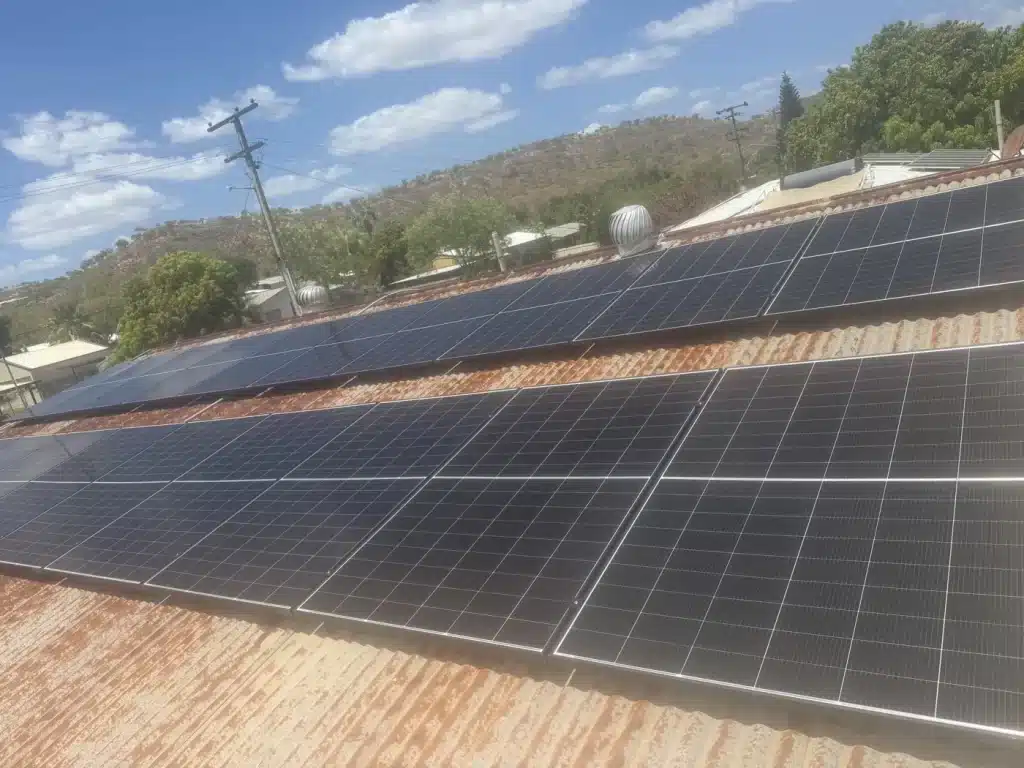
It depends on your home or business. The biggest factors are how much power you use, when you use it, your feed-in tariff, your system size and your location. A free Energy Assessment gives you your own estimate.
- Average consumption
- Usage patterns
- Feed-in tariff
- System size
- Location
Get a personalised savings estimate for your property.
Book a free Energy AssessmentRead the full answer
Installing a solar power system is one of the most effective ways to reduce your electricity costs, especially in Australia's sunny climate. The amount you can save depends on several factors unique to your home or business.
Your average electricity consumption
The more energy you use, the greater the potential savings.
Your energy usage patterns
Using electricity during daylight hours allows you to maximise the power generated by your solar system.
Your feed-in tariff
Any excess electricity exported to the grid may earn you credits on your electricity bill, depending on your retailer's feed-in tariff.
The size of your solar system
Larger systems can generate more electricity, increasing your potential savings when correctly matched to your energy needs.
Your location
The amount of sunlight your property receives throughout the year affects how much electricity your system can produce.
At Nexa Solar, we'll assess your energy usage and design a customised solar solution to help you maximise your savings.
SavingsIs solar worth it?
For many Queensland homes, yes. Strong sun and daytime power use mean panels often pay for themselves in a few years, but the answer depends on your usage, roof and price.
Read the full answer
Most of the value comes from using your own solar power instead of buying it from the grid. Export payments (feed-in tariffs) are low, so homes that use more power during the day get more from their system.
Industry estimates put typical payback at around 3 to 7 years. SolarQuotes says most systems pay for themselves in 4 to 7 years, and another industry estimate puts a 6.6kW system in Brisbane at 2 to 4 years. The range reflects different assumptions about usage and prices.
Our Energy Assessment reviews your power bill and any existing solar, so you see the numbers for your home before you decide.
Other states work differently. Prices, sun and feed-in rates all vary. After the rebate a 10kW system costs about $8,240 in Perth, $8,780 in Sydney and $11,460 in Hobart (Solar Choice, October 2026), and Tasmania’s regulated minimum feed-in tariff is 9.276c/kWh for 2026-27. A higher price or less sun tends to lengthen payback, so we run the numbers for your address and bill.
Book a free Energy Assessment and we will work this out for your home.
SavingsHow long does it take for solar to pay for itself?
Commonly around 3 to 7 years. Sunnier states such as Queensland tend to sit towards the shorter end.
- 4 to 7 yearstypical payback for most systems (SolarQuotes)
- 2 to 4 yearsone estimate for a 6.6kW system in Brisbane
Read the full answer
Payback is the point where your bill savings equal what you paid. It depends on the system price after the rebate, how much solar you use yourself, your tariffs and any rise in power prices.
Both estimates rely on assumptions about usage, tariffs and price. Your own bill is the best starting point.
State matters. A 10kW system costs about $8,240 in Perth and $11,460 in Hobart after the rebate (Solar Choice, October 2026), so a Hobart home needs more savings to cover its higher price. Sun hours and feed-in rates differ by state too.
Book a free Energy Assessment and we will work this out for your home.
SavingsHow much can you save with solar panels?
It varies by home. One industry estimate puts typical bill savings for a 6.6kW system in Brisbane at about $1,500 to $2,100 a year.
Read the full answer
Your savings depend on how much power you use, when you use it, your tariffs, your system size and your location.
Using electricity in daylight hours, for example running the pool pump, dishwasher or air conditioner at midday, lifts your savings. A battery lets you use more of your solar in the evening.
The Brisbane figure is not a guide for other states. Savings in New South Wales, Western Australia and Tasmania depend on local electricity prices, sunshine and feed-in rates. In Tasmania, for example, the regulated minimum feed-in tariff is 9.276c/kWh for 2026-27.
Book a free Energy Assessment and we will work this out for your home.
SavingsDoes solar add value to a house?
Research suggests it does. A 2025 Cotality analysis found homes with solar valued about 2.7% higher, or about $23,100 on average nationally.
Read the full answer
The study, Watt’s it Worth, compared more than six million homes with and without solar. It is a national figure rather than a Queensland one, and individual results vary with the market, the system and the home.
System size
System sizeHow many solar panels do I need?
A 6.6kW system is about 15 panels and a 10kW system about 23 (at 440W each). The right number depends on how much power you use and your roof space.
- 6.6kWabout 15 panels
- 10kWabout 23 panels
Read the full answer
A rough method: in Queensland each kW of panels typically produces around 4kWh a day on average. Divide the kWh you want to cover each day by 4 to estimate the kW you need, then divide by the panel wattage.
Daytime use, roof space, shading and network limits all change the answer, which is why we work from your actual bill.
Sun hours differ by state. A 10kW system typically makes 31 to 47kWh a day across the Australian capitals, so the same home may need more panels in a less sunny state.
Book a free Energy Assessment and we will work this out for your home.
System sizeWhat size solar system do I need?
Many homes land between 6.6kW and 10kW, but the right size depends on your usage, roof, budget and network limits.
- Usagedaily kWh and when you use it
- Roofspace, shading and direction
- Budgetprice after rebate
- Networkinverter and export limits
Read the full answer
Look at your bill first. Higher daytime use justifies a bigger system, while low use or a small roof points smaller. Roofs facing north, east or west all work well.
If you plan to add a battery or an electric vehicle later, tell us so we can size the system for it.
Book a free Energy Assessment and we will work this out for your home.
System sizeIs there a calculator for working out my solar system size?
Online calculators give a rough size. Our free Energy Assessment does the same job using your actual bill, roof and any existing solar.
Read the full answer
To use any calculator you need your daily kWh from a recent bill, how much you use in the daytime, your roof area and shading, and your budget.
We collect these on the call, then confirm them at the home visit if it is suitable.
Book a free Energy Assessment and we will work this out for your home.
System sizeHow many solar panels does it take to run a house?
Many homes need around 15 to 23 panels (6.6kW to 10kW) to cover most daytime use. Running a home around the clock needs a battery as well.
Read the full answer
Panels only generate during daylight. To cover evening and overnight use you need a battery, and adding a battery does not make a home off-grid.
Going fully off-grid needs a purpose-designed system. We can talk through what is realistic for your home during an assessment.
Book a free Energy Assessment and we will work this out for your home.
System sizeHow many solar panels can I fit on my roof?
Allow about 2 square metres per panel, so roughly 30m² for 15 panels and 46m² for 23.
Read the full answer
That is unshaded roof, ideally facing north, east or west. Vents, skylights, chimneys, shading and roof edges reduce usable space, so the number that fits depends on your roof layout.
Book a free Energy Assessment and we will work this out for your home.
System sizeHow much electricity does a solar panel produce?
A modern 440W panel typically produces roughly 1.7 to 2kWh on an average Queensland day. A 6.6kW system typically makes about 28kWh a day.
Read the full answer
A panel’s watts rating is its peak power. The kWh it produces over a day depends on sun hours, season, shading, direction and heat. Output is higher in summer and lower in winter, and cloudy days produce less.
Output differs by state because sun hours differ. A 10kW system typically makes 31 to 47kWh a day across the Australian capitals, so a panel in a sunnier city makes more than one in a less sunny city.
System sizeHow big, heavy and powerful is a solar panel?
Most new panels are rated around 400W to 475W. A typical 440W panel measures about 1.7m by 1.1m and weighs around 22kg.
Read the full answer
Panel sizes vary a little by brand, so check the datasheet for the exact model. Higher-wattage panels usually come from better efficiency rather than a much bigger panel.
Batteries
BatteriesAre solar batteries worth it?
It depends on when you use power and what you are paid for exports. Batteries tend to suit homes with high evening use.
Read the full answer
A battery stores solar you would otherwise export at a low rate, so you can use it in the evening. The federal rebate takes roughly 30% off the upfront cost, but the rebate falls on 1 January 2027. Panels are generally the faster payback, while a battery is often more about evening use and backup.
Other reasons people buy: backup (which needs the right equipment), more energy independence and protection from rising prices. Adding a battery does not make a home off-grid.
We review your bill and usage pattern during an assessment so you can see whether a battery adds value for you.
Figures checked in November 2026 against the Clean Energy Regulator and industry price data. Rebates and prices change, so we confirm current amounts when we quote.
Book a free Energy Assessment and we will work this out for your home.
BatteriesHow much is a Tesla Powerwall, and is it worth it?
A Tesla Powerwall 3 (13.5kWh) costs around $15,000 to $17,000 installed, or about $11,500 to $13,500 after the federal rebate.
- $15,000 to $17,000installed, before the rebate
- About $3,458federal rebate to 31 December 2026
- $11,542 to $13,542after the rebate
Read the full answer
Whether it is worth it depends on your evening use, export rates and what you want from backup. It is one of several batteries on the market, and a comparison based on your own usage is the right way to decide.
Prices are indicative, from industry quote data for September 2026. The rebate falls on 1 January 2027.
Book a free Energy Assessment and we will work this out for your home.
BatteriesHow much does a solar battery cost?
Most home batteries cost roughly $10,000 to $18,500 installed for 10kWh to 13.5kWh, before the federal rebate.
- 5kWh$6,000 to $8,500 installed
- 10kWh$10,000 to $15,000 installed
- 13.5kWh$13,500 to $18,500 installed
- 15kWh$15,000 to $20,000 installed
Read the full answer
After the federal rebate (to 31 December 2026), those become roughly $4,700 to $7,200 for 5kWh, $7,400 to $12,400 for 10kWh, $10,000 to $15,000 for 13.5kWh and $11,200 to $16,200 for 15kWh.
The rebate steps down on 1 January 2027, so the after-rebate price rises even if the battery price stays the same.
Prices are indicative, from industry installer quotes for September 2026. Your quote may differ.
Book a free Energy Assessment and we will work this out for your home.
BatteriesWhat size solar battery do I need?
Match the battery to your evening and overnight use. The federal rebate is strongest on the first 14kWh, which is worth keeping in mind when choosing a size.
Read the full answer
Add up what you use between sunset and sunrise, using your smart meter data or bill. Compare usable capacity rather than nominal capacity, and check the battery’s power rating (kW) can run the appliances you want at the same time.
Your solar size matters too, because the battery needs enough spare solar to fill it each day.
Book a free Energy Assessment and we will work this out for your home.
BatteriesHow does a solar battery work?
A battery stores spare solar during the day and releases it in the evening, so you buy less from the grid.
Read the full answer
Solar power runs your home first. Extra charges the battery, and only once it is full does the rest export to the grid. When solar fades, the battery supplies your home until it empties, then the grid steps in.
The battery connects through a hybrid inverter or a separate battery inverter, and an app shows what is happening.
BatteriesWill a solar battery keep my power on in a blackout?
Not automatically. Many grid-connected batteries only power the home in an outage if they are installed with backup circuits. Adding a battery does not make a home off-grid.
Read the full answer
Solar panels shut down in a blackout for network safety unless the system is designed for backup. Whether your lights stay on, and for how long, depends on the battery, inverter, backup wiring and which circuits are connected.
Tell us which appliances matter most, such as the fridge, medical equipment or a bore pump, and we will explain what is realistic.
Book a free Energy Assessment and we will work this out for your home.
System parts
System partsWhat are the components of a solar power system and how do they work?
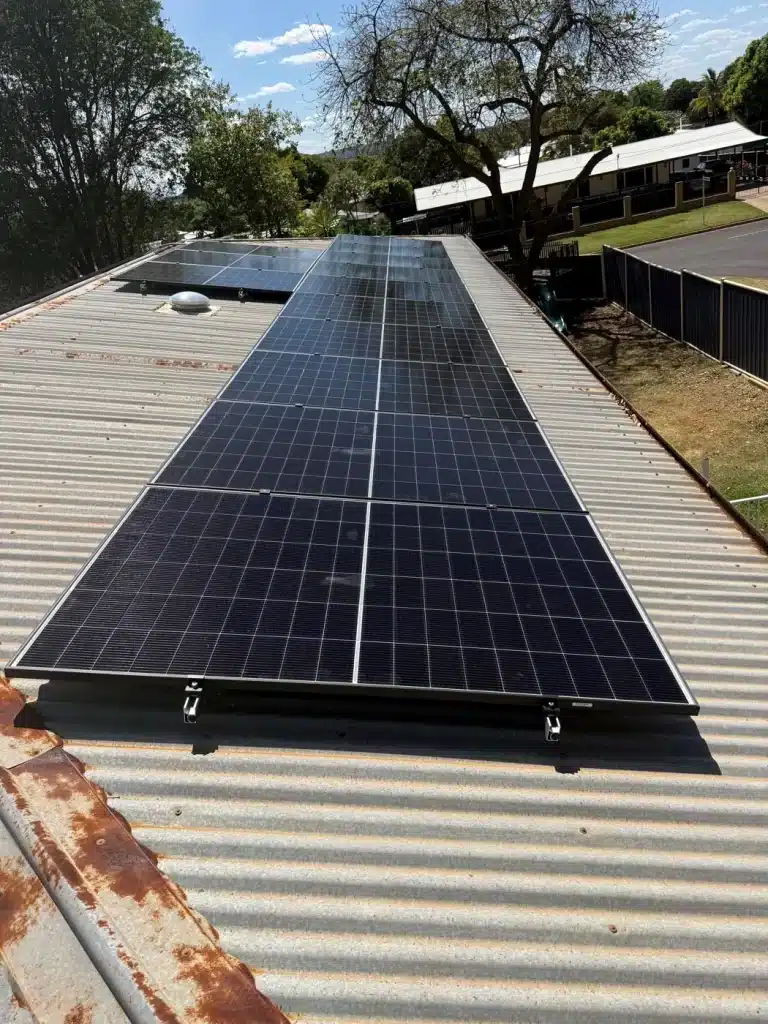
Three parts work together. Panels turn sunlight into DC electricity, the inverter converts it to AC for your home or the grid, and the mounting system holds it all in place.
Read the full answer
Solar panels
Solar panels are made up of multiple photovoltaic (PV) cells connected together. When sunlight reaches these cells, the light particles (photons) are absorbed, triggering the photovoltaic effect. This releases electrons within the cells, creating a flow of electrical current. The electricity produced is direct current (DC) electricity.
Inverter
Since most homes and businesses operate on alternating current (AC) electricity, the DC power generated by the panels must be converted before it can be used. Once converted, the AC electricity can power household appliances, business equipment, or be exported to the electricity grid.
Mounting system
The mounting system provides the structural support that secures the panels in place. Typically manufactured from durable steel or aluminium, these systems are designed to withstand strong winds, heavy rain, frost and other environmental loads while keeping the array safely positioned for optimal performance.
System partsHow do solar panels work?
Panels turn sunlight into DC electricity, the inverter converts it to the AC power your home uses, and any extra goes to the grid.
- Sunlight hits the solar cells in your panels.
- The cells make direct current (DC) electricity.
- The inverter converts it to alternating current (AC), which your home uses.
- Your home uses solar first. Extra exports to the grid, and the grid tops you up when you need more.
Read the full answer
A smart meter measures what you import from and export to the grid. Your electricity bill shows what you bought, less any export credit.
System partsHow do solar cells turn sunlight into electricity?
Sunlight knocks electrons loose inside silicon cells, which creates an electric current. This is called the photovoltaic effect.
Read the full answer
A panel contains dozens of cells made of silicon. Each cell has two layers that create an electric field. When particles of light (photons) hit the cell, they free electrons, and the field pushes them in one direction. Metal contacts collect the flow as direct current (DC) electricity.
Cells are wired together in a panel, and panels are wired together in an array.
System partsHow does solar work with my electricity bill and the grid?
Your home uses solar first, exports extra for a credit, and draws from the grid when solar is not enough. Your bill shows what you bought, less the credit.
Read the full answer
A smart meter records the power you import and export. Your retailer sets the feed-in tariff for exports. Because export rates are low, using more solar yourself usually saves more than exporting it.
System partsHow does a solar inverter work?
The inverter converts DC power from your panels into AC power for your home, and syncs it with the grid.
Read the full answer
It also monitors the system and shuts down automatically if the grid goes down, for network safety. String inverters serve the whole array, microinverters sit on each panel and hybrid inverters can also manage a battery.
Inverters are typically warranted for 10 years and last 12 to 15 years.
Certificates (STCs)
CertificatesWhat are Small Technology Certificates (STCs)?
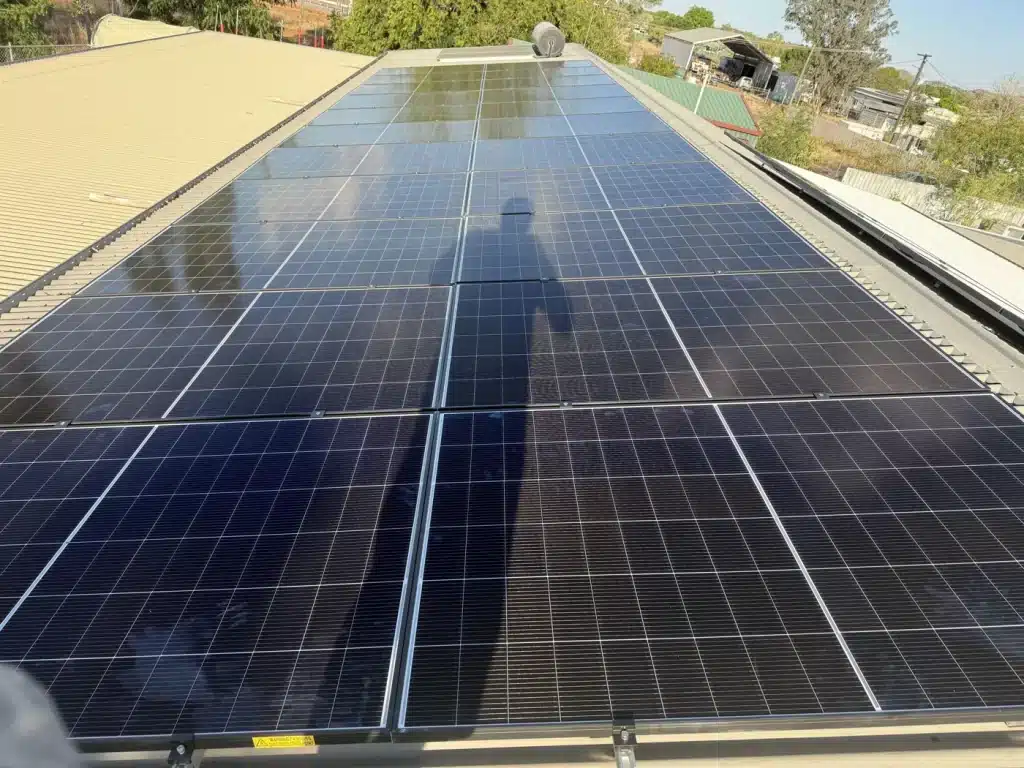
STCs are government-backed certificates created when you install solar. How many you get depends on your system size and location, and Nexa Solar can take them off your upfront cost as a point-of-sale discount.
How the number is worked out
Always rounded down to the nearest whole certificate.
Read the full answer
When a home or business installs a solar power system, the reduction in greenhouse gas emissions is calculated using a formula established by the scheme regulator. Australia is divided into four solar zones, with every postcode assigned to a zone according to the average amount of solar energy it receives. Zone 1 includes the sunniest regions of Australia. Zone 4 includes areas that receive the least solar radiation.
To help reduce the upfront cost of installation, Nexa Solar offers customers a point-of-sale discount when they choose to assign their STCs to the company.
Large-scale Generation Certificates (LGCs)
LGCs apply to renewable energy systems with a capacity greater than 100kW. Unlike STCs, LGCs are based on the actual electricity generated by the system. A dedicated electricity meter records the total energy output, and the measured generation is periodically converted into LGCs.
Trading STCs and LGCs
The Australian Government administers the creation and trading of both STCs and LGCs through the REC Registry. It is an online platform that supports the Renewable Energy Target (RET) by enabling certificate creation, transfer, trading and surrender.
Certificates (STCs)How many STCs will my solar system get?
It depends on your system size, your postcode’s solar zone and the installation year. The Clean Energy Regulator’s STC calculator gives the exact number.
Read the full answer
The calculation multiplies your system size in kW by your zone rating and by the deeming period (5 years in 2026, 4 years in 2027), then rounds down to a whole certificate. The zone rating is set by your postcode.
The Clean Energy Regulator publishes the postcode zone ratings and a small generation unit STC calculator. We also work it out for you when we quote.
Book a free Energy Assessment and we will work this out for your home.
Certificates (STCs)Do STCs also apply to batteries and hot water systems?
Yes. Eligible home batteries earn STCs under the Cheaper Home Batteries Program, and eligible solar and heat pump water heaters earn them under the small-scale scheme.
Read the full answer
Batteries between 5kWh and 100kWh are eligible, with STCs counted on the first 50kWh of usable capacity. Solar water heaters up to 700 litres and heat pump water heaters up to 425 litres are eligible, with each model’s certificate count listed on the Clean Energy Regulator’s register.
Figures checked in November 2026 against the Clean Energy Regulator and industry price data. Rebates and prices change, so we confirm current amounts when we quote.
Hot water
Hot waterHow does solar hot water work?
Roof collectors heat water or a fluid using sunlight, and an insulated tank stores it. A booster heats the water on cloudy days.
Read the full answer
Solar hot water (also called solar thermal) is separate from solar PV panels. Flat plate collectors are the lower-cost option, while evacuated tube collectors cost more and perform better in cooler climates.
Heat pump systems work differently: they use electricity to move heat from the air into the water, and solar PV panels can help run them.
Hot waterHow much does a solar hot water system cost?
Solar hot water typically costs $3,000 to $7,200 installed before the STC discount. Heat pump systems cost around $3,800 to $5,200 before it.
Read the full answer
STCs reduce the price. One 2026 industry example was about 14 certificates (roughly $530) for a 302L solar system in Zone 3, and heat pump systems earn roughly 10 to 17 certificates ($400 to $680 at about $40 each).
Price depends on the system type and tank size, from about 160L to 400L.
Prices are indicative, from industry data as at October 2026. Your quote may differ.
Hot waterIs there a hot water rebate in Queensland?
Yes, federally. Eligible solar and heat pump water heaters earn STCs, which come off the price. State offers change, so ask your installer what is available.
Read the full answer
Solar water heaters up to 700 litres and heat pump water heaters up to 425 litres can create STCs. The count depends on the model and your postcode, and it falls each year until the scheme ends in 2030.
We could not confirm a current Queensland state hot water rebate. Check with the Queensland Government or your installer.
Other states: the federal STC discount applies in all of them. New South Wales has offered a Hot Water Upgrade Incentive, reported at up to $640 to replace electric hot water with a heat pump and up to $330 to replace gas, but we could not confirm it is currently open. We could not confirm a state hot water rebate in Western Australia or Tasmania.
Figures checked in November 2026 against the Clean Energy Regulator and industry price data. Rebates and prices change, so we confirm current amounts when we quote.
Hot waterIs there a hot water rebate in New South Wales?
Yes, federally. Eligible solar and heat pump water heaters earn STCs, which come off the price. NSW has also offered a Hot Water Upgrade Incentive, but we could not confirm it is currently open.
Read the full answer
Solar water heaters up to 700 litres and heat pump water heaters up to 425 litres can create STCs. The count depends on the model and your postcode, and it falls each year until the scheme ends in 2030.
NSW has offered a Hot Water Upgrade Incentive, reported at up to $640 to replace electric hot water with a heat pump and up to $330 to replace gas, with a minimum 5-year warranty and an accredited installer. We could not confirm it is currently open, so check with your installer or the NSW Government.
State scheme details checked in November 2026 against state government and industry sources. Schemes and amounts change, so we confirm current details when we quote.
Hot waterIs there a hot water rebate in Western Australia?
Yes, federally. Eligible solar and heat pump water heaters earn STCs, which come off the price. We could not confirm a state hot water rebate in Western Australia.
Read the full answer
Solar water heaters up to 700 litres and heat pump water heaters up to 425 litres can create STCs. The count depends on the model and your postcode, and it falls each year until the scheme ends in 2030.
We could not confirm a current Western Australian state hot water rebate. Check with the WA Government or your installer.
State scheme details checked in November 2026 against state government and industry sources. Schemes and amounts change, so we confirm current details when we quote.
Hot waterIs there a hot water rebate in Tasmania?
Yes, federally. Eligible solar and heat pump water heaters earn STCs, which come off the price. We could not confirm a state hot water rebate in Tasmania.
Read the full answer
Solar water heaters up to 700 litres and heat pump water heaters up to 425 litres can create STCs. The count depends on the model and your postcode, and it falls each year until the scheme ends in 2030.
We could not confirm a current Tasmanian state hot water rebate. Check with the Tasmanian Government or your installer.
State scheme details checked in November 2026 against state government and industry sources. Schemes and amounts change, so we confirm current details when we quote.
Hot waterIs solar hot water worth it?
It can cut water heating costs, especially in sunny areas, but the best option depends on how much hot water you use and what you pay for power or gas.
Read the full answer
Compare solar hot water, a heat pump and an electric system powered by your own solar panels. The upfront price, the STC discount, your hot water use and your electricity or gas prices decide which suits you.
Warranties
WarrantiesIs a warranty provided?
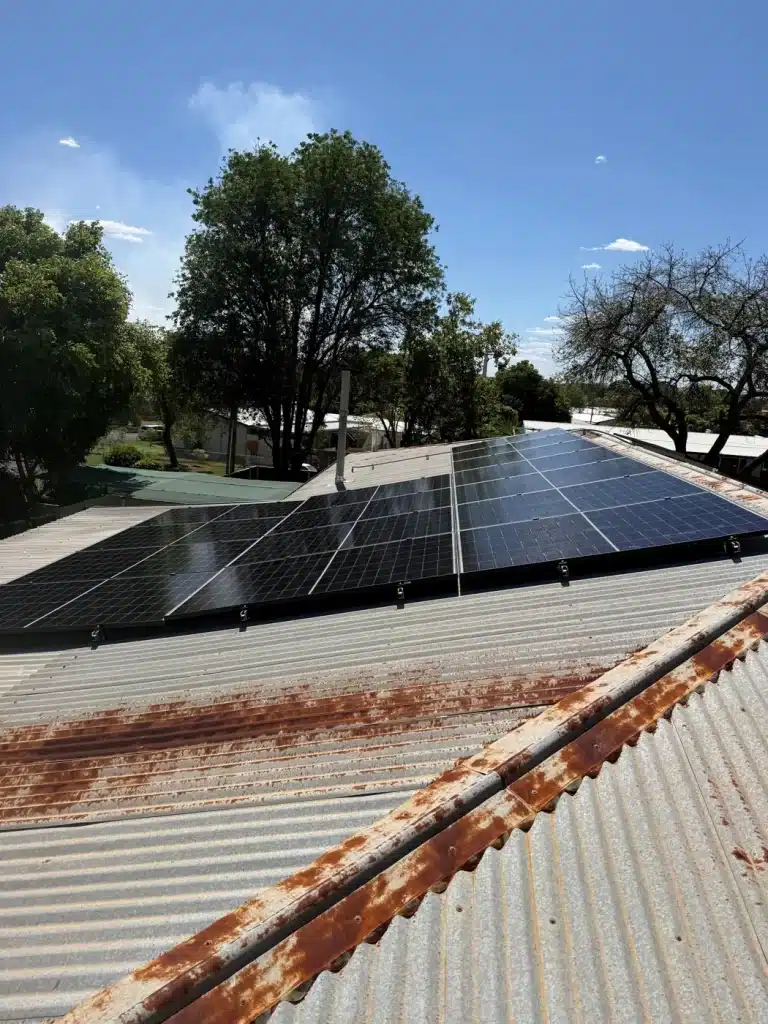
Yes. A system typically includes four warranties, covering the panels, inverter, mounting system and our workmanship. If you ever need to claim, contact Nexa Solar and we handle it with you.
Solar panels
- 25 yrsPerformance
- 15 yrsProduct
Inverter
- 10 yrsManufacturer's
Mounting system
- 10 yrsLimited product
- 5 yrsAfter-sales service
Workmanship
- 5 yrsInstallation quality
Read the full answer
Yes. A solar power system typically includes four different types of warranties, each covering a specific component of the installation. The panel performance warranty guarantees that the panels will continue to produce electricity at an expected level over time, while the product warranty covers manufacturing defects. The inverter warranty covers defects in materials and workmanship under normal operating conditions. The mounting system is covered against manufacturing defects, with additional after-sales support provided for the specified period. The workmanship warranty covers the quality of the installation work carried out by Nexa Solar, ensuring the system has been installed to industry standards.
In the unlikely event that you need to make a warranty claim, simply contact Nexa Solar. Our team will assist you with the entire process, including warranty lodgements, product replacements, and any required repairs.
If it stops working
If it stops workingWhat should I do if my solar PV system stops working?
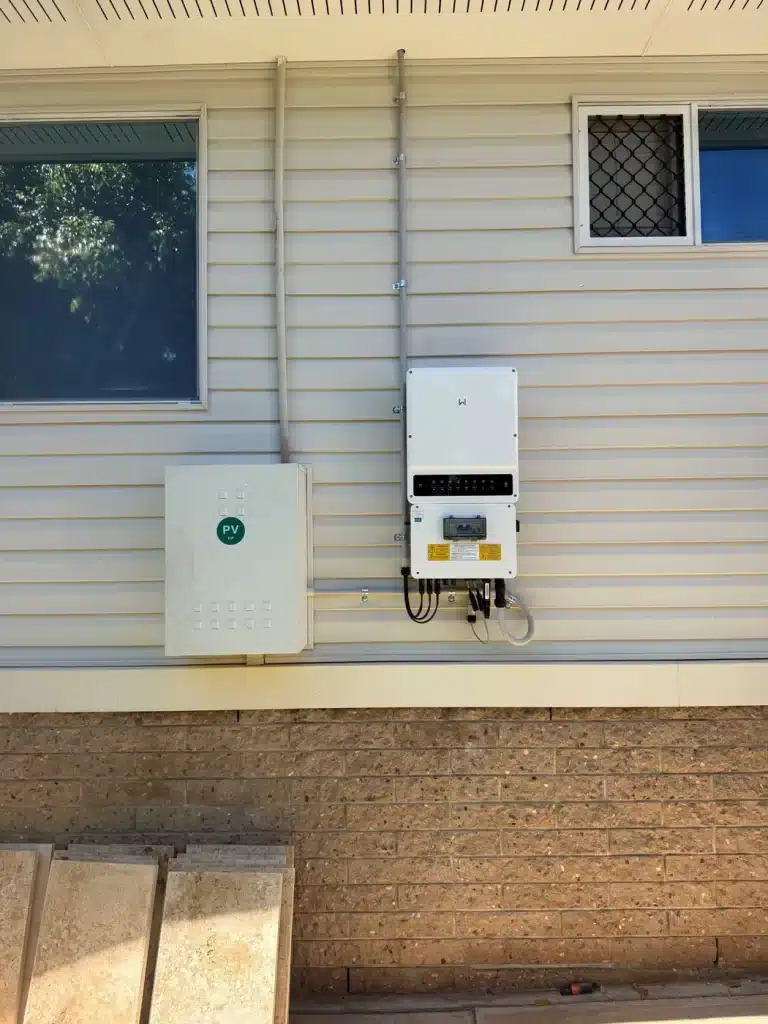
Try a reboot first. Many inverter faults clear this way. Switch the system off in order, then back on in reverse. If it still won't run, contact us.
1. Shut down
- Turn off the Main Switch (Inverter Supply) and the Inverter AC Isolator.
- Turn off the PV Array DC Isolator(s) by the inverter. Make sure they are all off.
2. Start up
- Turn on the PV Array DC Isolator(s).
- Turn on the Inverter AC Isolator and the Main Switch.
- Wait a few minutes for the inverter to reconnect.
Still not working after a restart? Our team will help diagnose it and arrange support.
Contact the teamRead the full answer
Many inverter faults can be resolved quickly by performing a simple system reboot. Before restarting your system, follow the shutdown procedure. You can also find these instructions on the front of most inverters. The main switch and AC isolator are typically located in your electrical switchboard and/or next to the inverter. The PV array DC isolator(s) are located beside or underneath the inverter, and some systems may have more than one, so ensure they are all switched off.
To restart the system, follow the shutdown steps in reverse order, then allow a few minutes for the inverter to complete its startup sequence and reconnect to the system. If the issue continues after restarting the inverter, please contact Nexa Solar for further assistance. Our team will be happy to help diagnose the problem and arrange any necessary support.
No questions match that search
Try a shorter word, or ask us directly. We will get back to you.
Looking for more information?
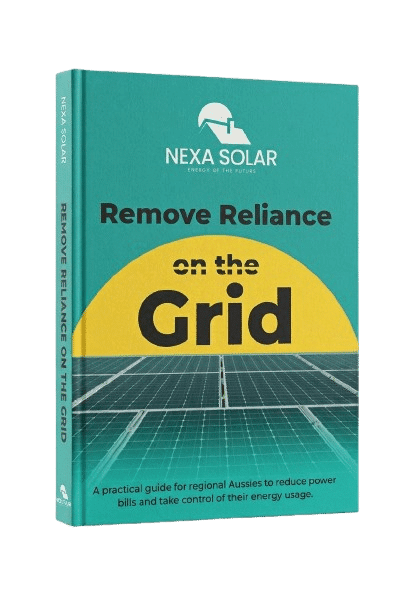
Download our free e-book, Remove Reliance on the Grid: a practical guide for regional Aussies to reduce power bills and take control of their energy usage. Enter your details to unlock it.
Still have a question? We come to you.
Book a free Energy Assessment. It starts with a call, then a home visit if suitable. We review your power bill and any existing solar and give you a tailored recommendation.