 1300 138 591
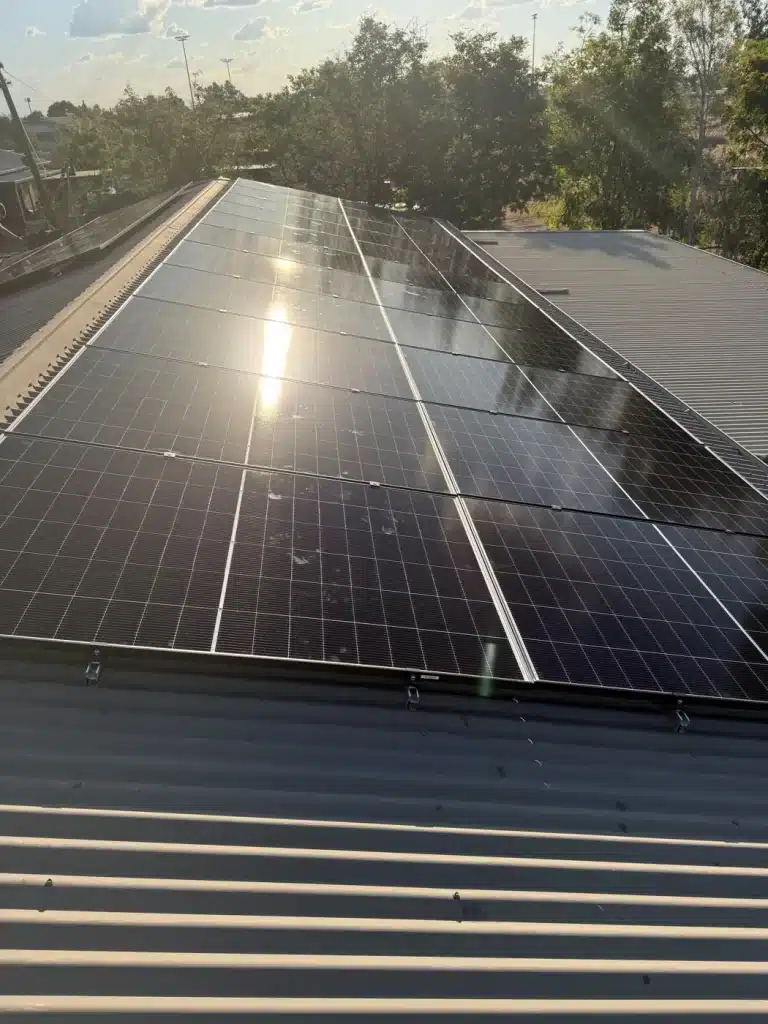
The short answer: a professional clean for a standard home system often runs somewhere around $100 to $300, though quotes vary with system size, roof height and location. Whether it is worth it depends on how dirty your panels are and how much output you’re losing.
Do panels actually need cleaning?
Sometimes. Rain washes off a lot, and in many areas panels stay reasonably clean without help. But dust, bird droppings, pollen, salt and ash can build up and cost you some output. The risk is higher if you live:
- On or near an unsealed road
- In a dry, dusty inland town
- Near trees full of birds and bats
- Close to the coast
- Near farming activity
How to tell if it is worth it
Check your monitoring app. Compare a sunny day this week against a similar sunny day last month. If production has dropped noticeably, a clean may help. Then do the sums: if the clean costs $200 and a few percent of a year’s generation comes back, it can pay off. If your panels are barely dirty, save the cash.
Cleaning them yourself
If you want to give it a go, keep it safe:
- Stay off the roof. Falls are the biggest risk, and it is not worth it.
- Use clean water and a soft brush or sponge on an extension pole from the ground, where you can do that safely.
- Skip the pressure washer and harsh chemicals. They can damage seals and coatings.
- Pick the right time. Early morning or late afternoon is best, when panels are cool.
- Check the manufacturer’s guidelines, because some warranties have cleaning conditions.
Panels are live in daylight, so don’t poke around wiring or fittings.
Hiring someone
Look for a cleaner with proper insurance, roof safety gear and experience with solar. Ask what they use on the panels, and don’t pay for “treatments” that come with big claims and no detail.
Does it differ by state?
The method doesn’t. The need does. Dusty inland areas of Queensland, WA and NSW tend to get more build-up than wetter coastal areas, while coastal sites in all four states deal with salt. Tasmania’s rainfall gives many panels a free wash. If you’re not sure how your area stacks up, check how your output compares across the seasons.
A bonus tip
If your panels look dirty and your output has fallen, it might not be dirt at all. Shade, inverter faults and failed panels cause problems too, and it is worth checking those before paying for a clean. See How Does a Solar Inverter Work? for the warning signs.
General information only, current at November 2026. Prices, rebates and tariffs change, so check current terms before you buy.
Want a straight answer for your place?
Book a free Energy Assessment. We start with a call, come out to your place if it suits, look over your power bill and any existing solar, and give you a recommendation that fits. No pressure, no sales theatre.
Book a free Energy AssessmentPrefer to talk? Call 1300 138 591