 1300 138 591
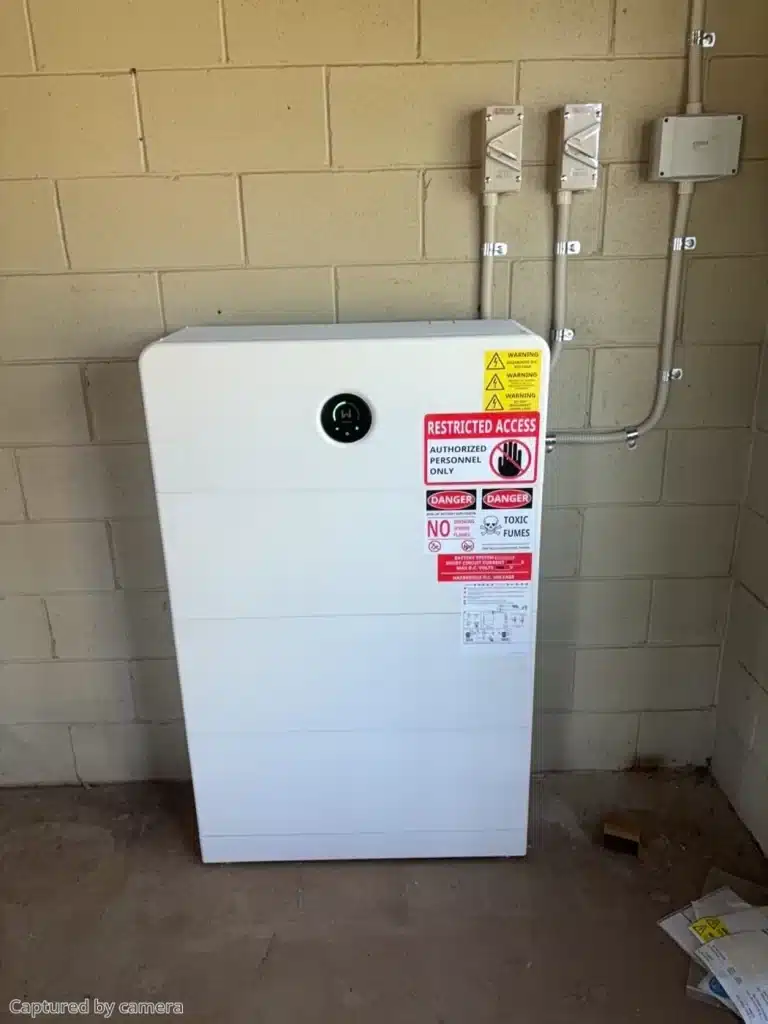
The short answer: a solar battery stores the spare power your panels make during the day so you can use it at night instead of buying it back from the grid. Think of it as an esky for electricity, minus the warm beer.
Charge, store, use
Here is the daily loop in a typical grid-connected home:
- Sun’s up: your panels power the house first.
- Surplus power: whatever you aren’t using tops up the battery.
- Battery full: the extra heads out to the grid.
- Sun’s down: the battery runs your evening instead of the grid.
A battery sits there quietly doing this every day. Most of the time you won’t notice anything except a smaller bill at the end of the quarter.
What is inside the box?
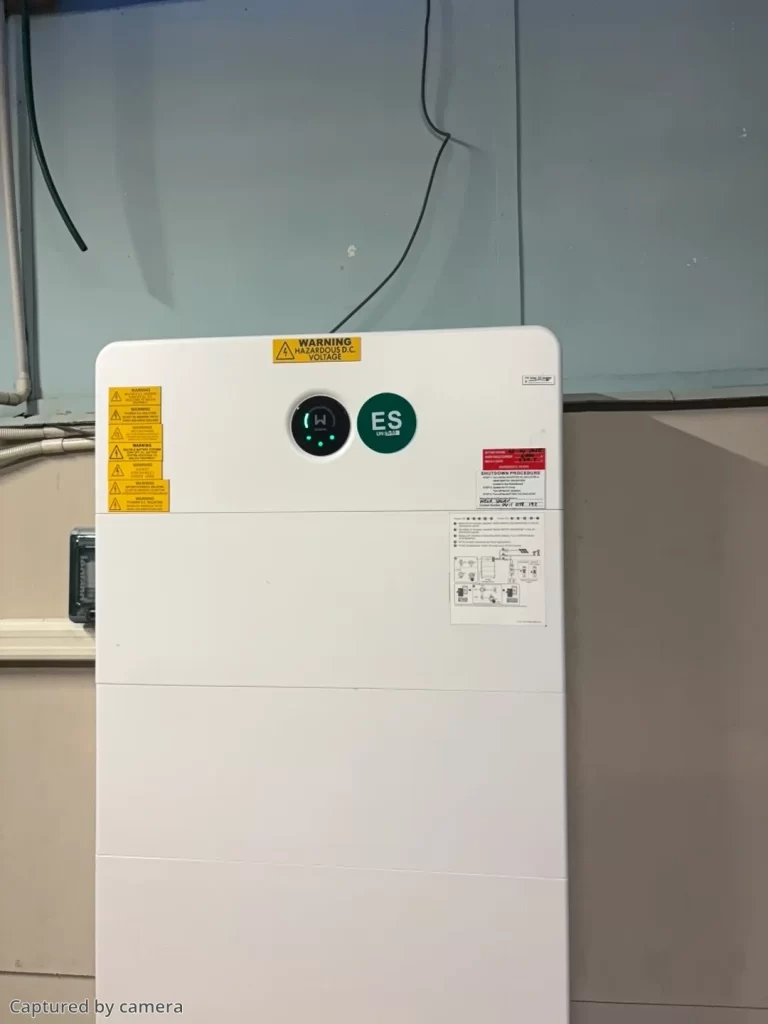
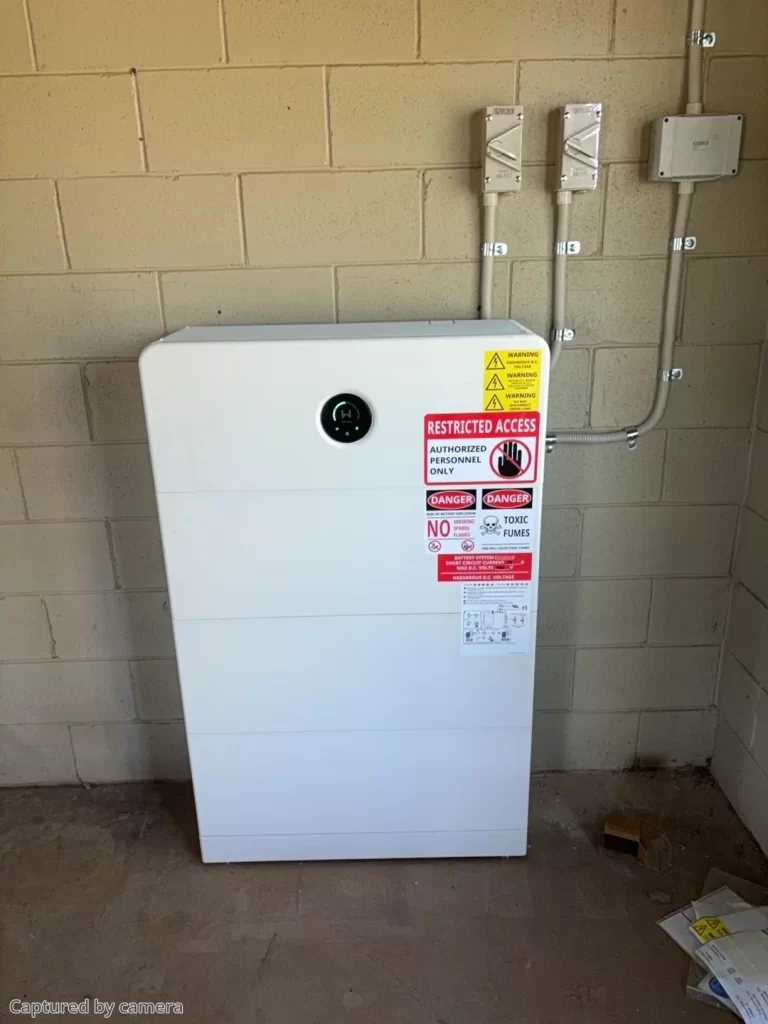
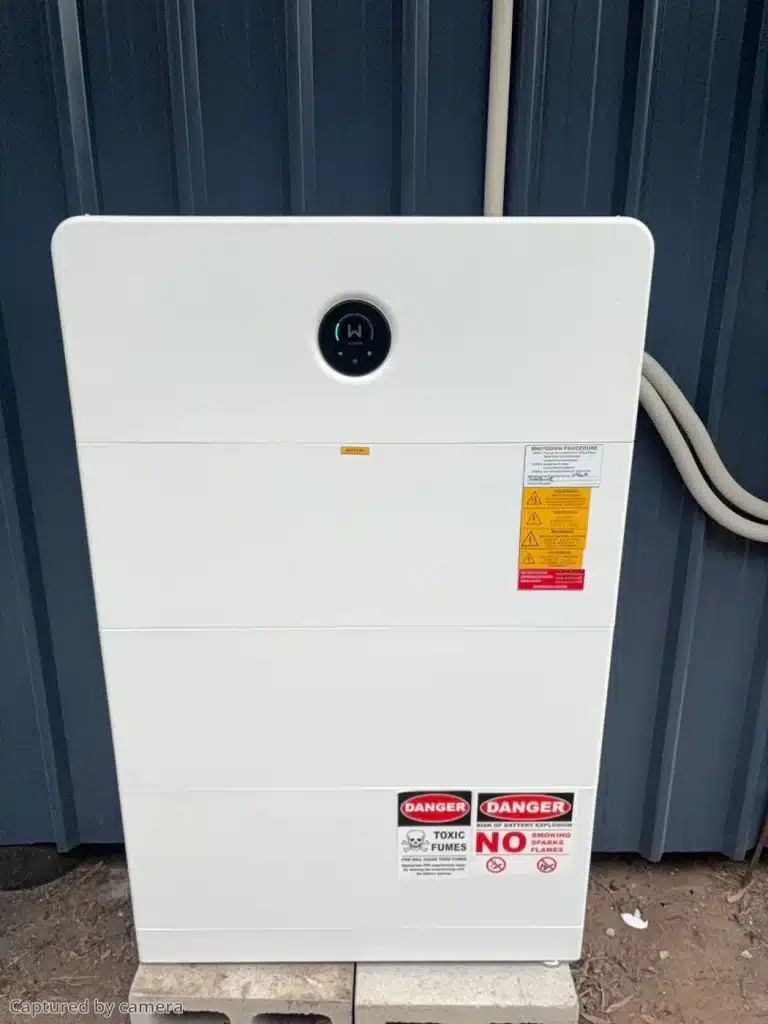
Battery cells (many home batteries use lithium iron phosphate chemistry), a battery management system that keeps everything within safe limits, and an inverter. The inverter is either built into the battery unit or sits alongside your solar inverter, depending on the system. If you want to know which setup suits your place, that is a design question, not a guess.
kWh versus kW (the bit everyone mixes up)
Battery capacity is measured in kWh, which is how much energy it holds. Power is measured in kW, which is how fast it can deliver that energy. A 10kWh battery could run a 1kW load for roughly ten hours, or a 5kW load for about two. Look for usable capacity on the spec sheet, because that is what you can actually use.
What a battery does not do
- It doesn’t make power. Your panels do that.
- It doesn’t automatically make you off-grid. Adding a battery to a grid-connected home does not make it off-grid.
- It doesn’t always run your whole house in a blackout. Backup depends on the equipment, including a backup-capable inverter and which circuits are wired to it. Our storm season guide explains the details.
What about rebates, and do they differ by state?
At the time of writing (November 2026), the federal Cheaper Home Batteries Program applies in Queensland, WA, Tasmania and NSW. From 1 May 2026 it is worth about 6.8 STCs per usable kWh, which works out to roughly $250 per kWh on the first 14kWh at current STC prices. That rate steps down on 1 January 2027, so timing matters.
State add-ons differ. Queensland’s Battery Booster closed in 2024. WA runs its own Residential Battery Scheme, and NSW has a VPP connection incentive. Tasmania relies on the federal program. These settings change, so check current terms before you sign anything.
Where to next?
If you’re wondering what size you need, read our battery sizing guide. If you want price ranges, see the battery cost guide.
General information only, current at November 2026. Prices, rebates and tariffs change, so check current terms before you buy.
Want a straight answer for your place?
Book a free Energy Assessment. We start with a call, come out to your place if it suits, look over your power bill and any existing solar, and give you a recommendation that fits. No pressure, no sales theatre.
Book a free Energy AssessmentPrefer to talk? Call 1300 138 591