 1300 138 591
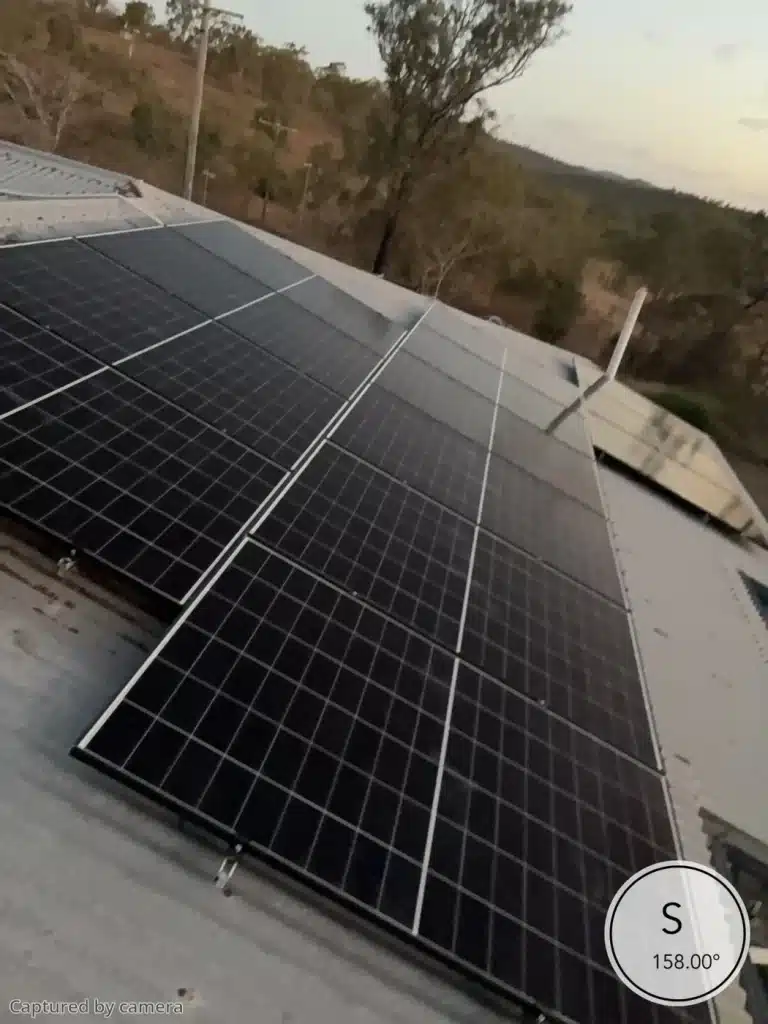
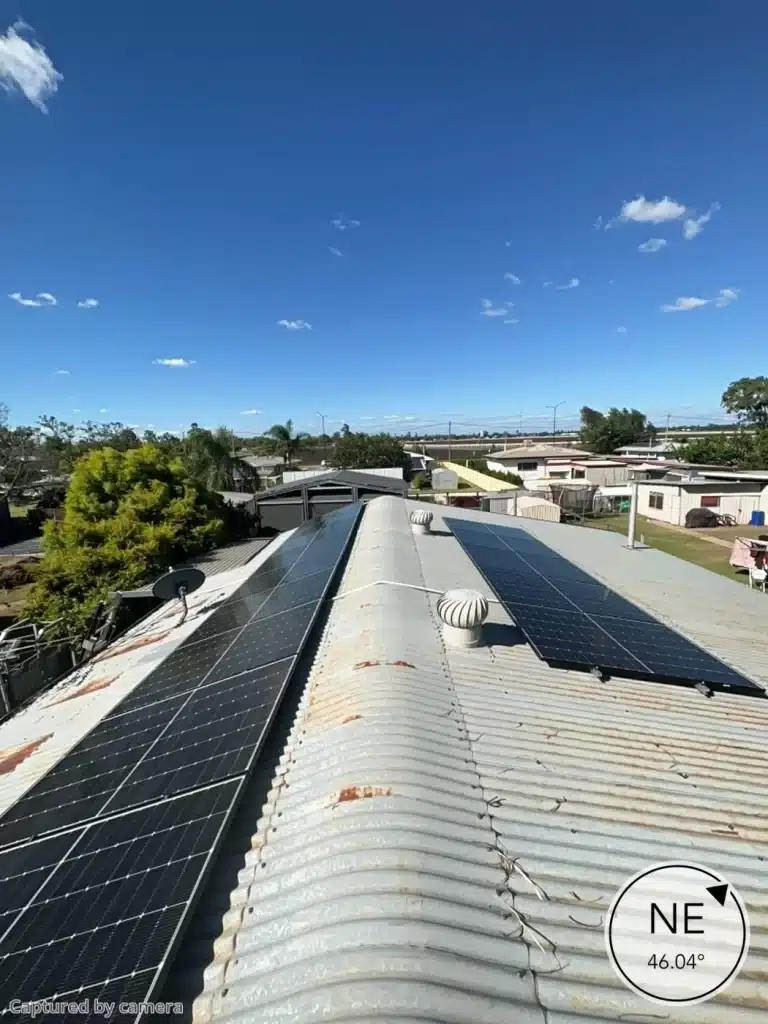
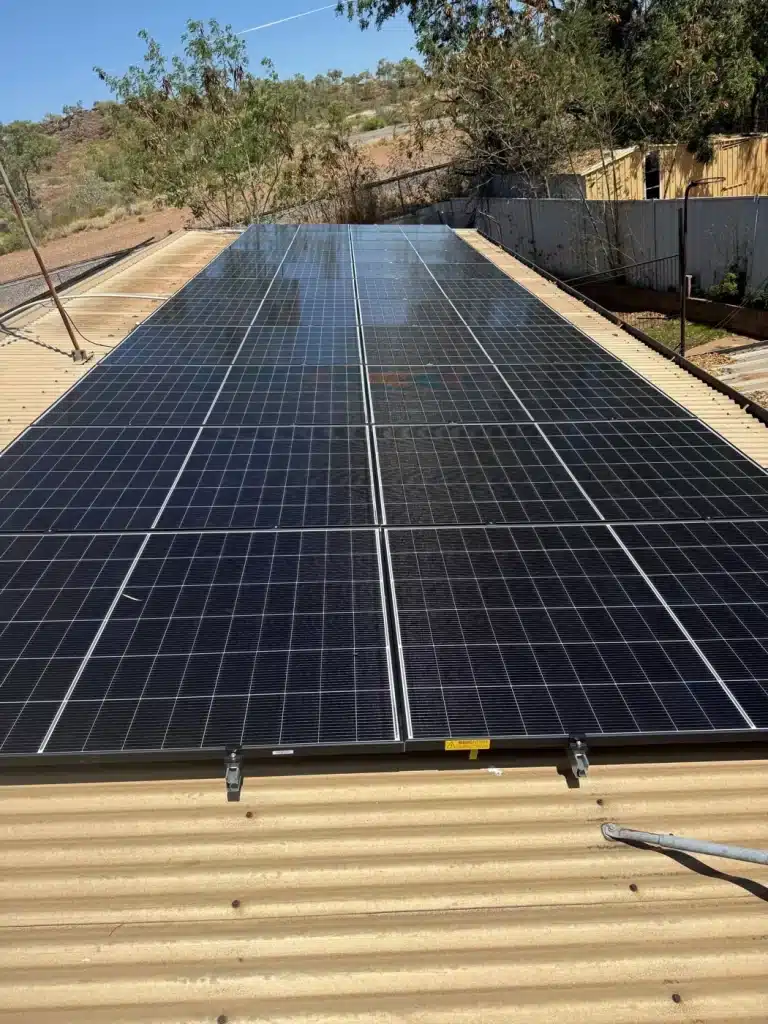
The short answer: a modern 440W panel typically makes around 1.6 to 1.9kWh on an average day across most of Australia. Over a year, that is somewhere around 600 to 700kWh per panel.
Watts and kWh are not the same thing
Watts (W) and kilowatts (kW) are a snapshot of how fast power is being made right now. Kilowatt hours (kWh) are the total over time. If a car’s speed is the watts, the kilometres travelled is the kWh.
That 440W on the label is the panel’s peak rating in perfect test conditions. In the real world, it makes less than that most of the day, and a bit more than nothing at dawn and dusk.
A handy rule of thumb
A well-placed system makes roughly 4kWh a day for every 1kW of panels, averaged across the year. So:
- A 6.6kW system lands somewhere around 24 to 28kWh a day.
- A 10kW system is roughly 40kWh on a good average day.
- One 440W panel is roughly 1.6 to 1.9kWh.
For a bit of perspective, a kettle running at about 2kW needs roughly five panels’ worth of peak sun to boil along nicely. Tea is a serious business.
What pushes your number up or down
- Location: more sun hours means more power. Inland and northern areas generally beat the southern coast over a year.
- Direction and tilt: north-facing is usually the sweet spot in Australia, with east and west still doing a fine job.
- Shade: one tree limb can drag a whole string down if the system isn’t designed for it.
- Heat: panels lose a little efficiency as they get hot, so a mild bright day can beat a stinker.
- Dirt: dust and bird deposits take a bite. See how much it costs to clean panels.
- Age: panels slowly lose output over the years, though gently.
- Inverter size: if your inverter is smaller than your array, peaks can get trimmed on very sunny days.
Does output differ by state?
Yes, mostly through sunshine hours and how winter behaves. Central and north Queensland and northern Western Australia are strong all year. Southern Tasmania and the New South Wales tablelands see bigger seasonal swings, with lower winter output and long summer days that make up for it. A good designer builds for your location rather than a national average.
So what do you do with that number?
Compare it to your usage. Your bill shows your daily kWh use, and that is the number that tells you whether a system will cover most of it, some of it, or a good deal more than you need. Our system size guide goes deeper, and you can upload a bill and we’ll do the sums for you.
General information only, current at November 2026. Prices, rebates and tariffs change, so check current terms before you buy.
Want a straight answer for your place?
Book a free Energy Assessment. We start with a call, come out to your place if it suits, look over your power bill and any existing solar, and give you a recommendation that fits. No pressure, no sales theatre.
Book a free Energy AssessmentPrefer to talk? Call 1300 138 591