 1300 138 591
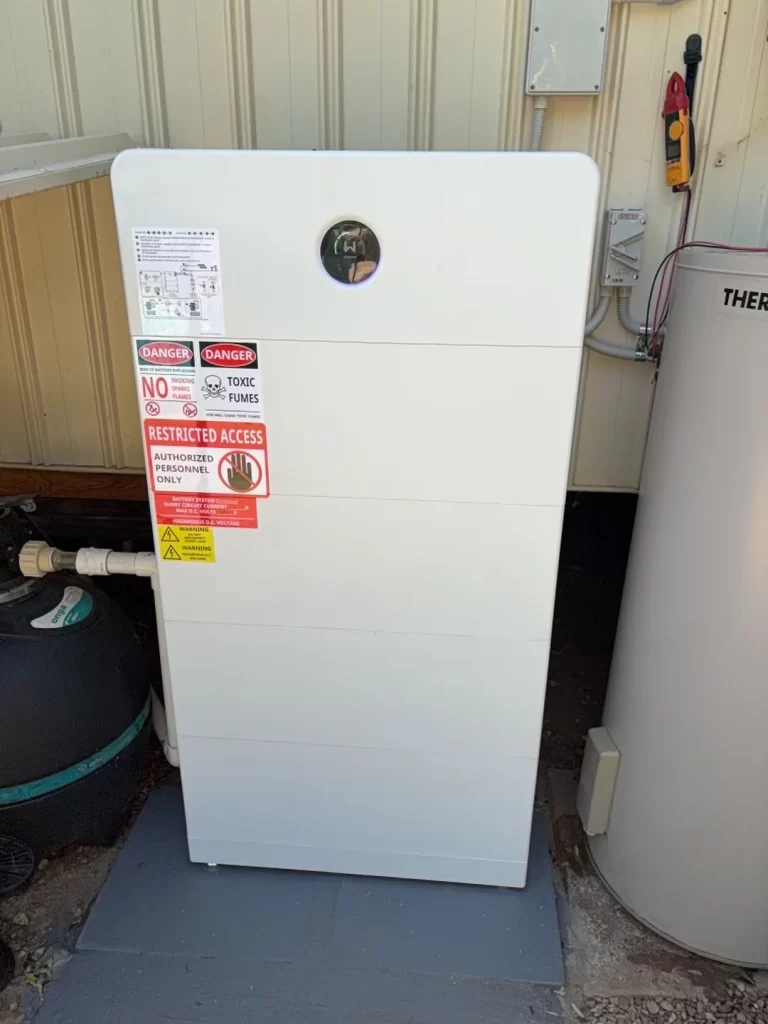
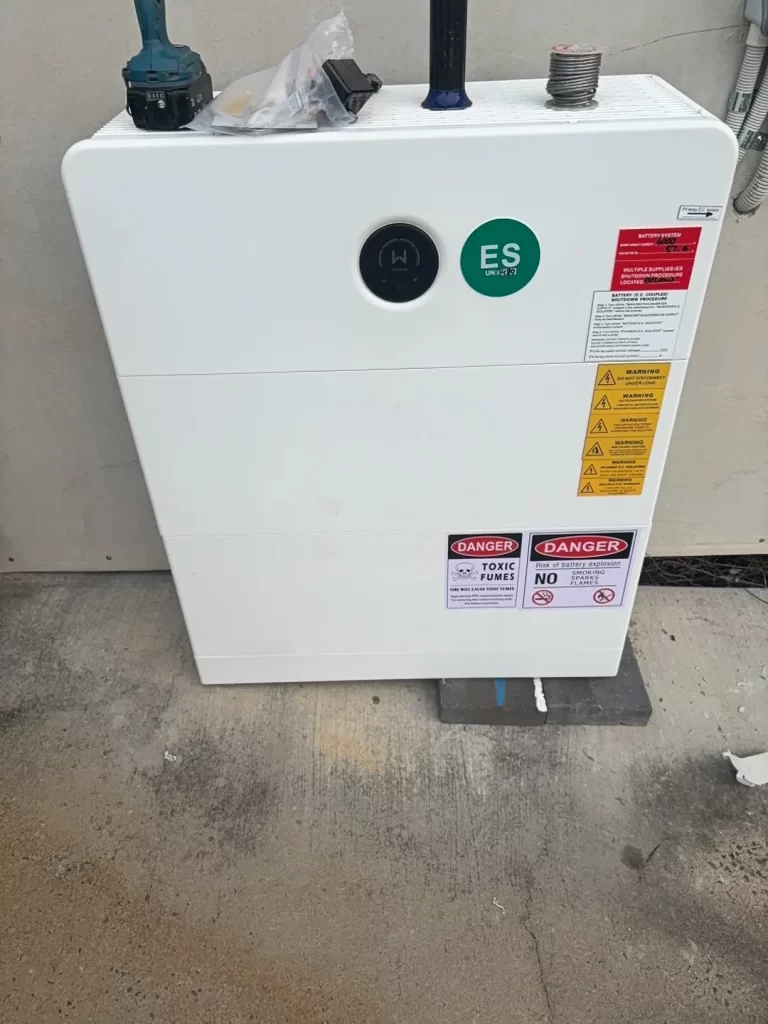
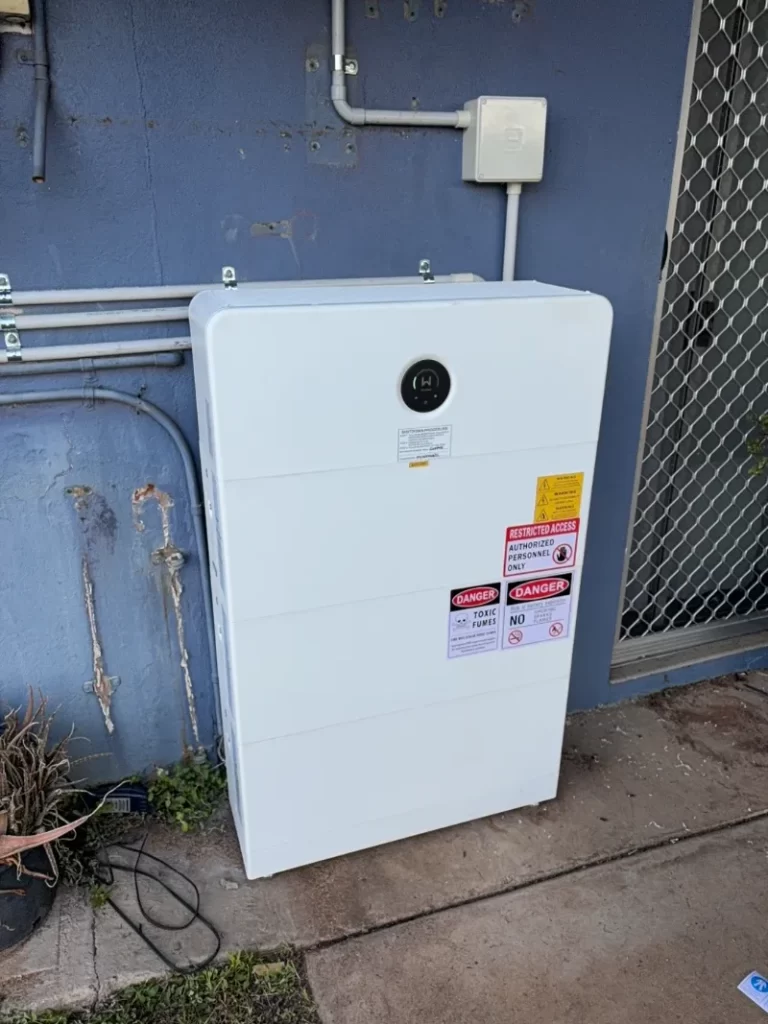
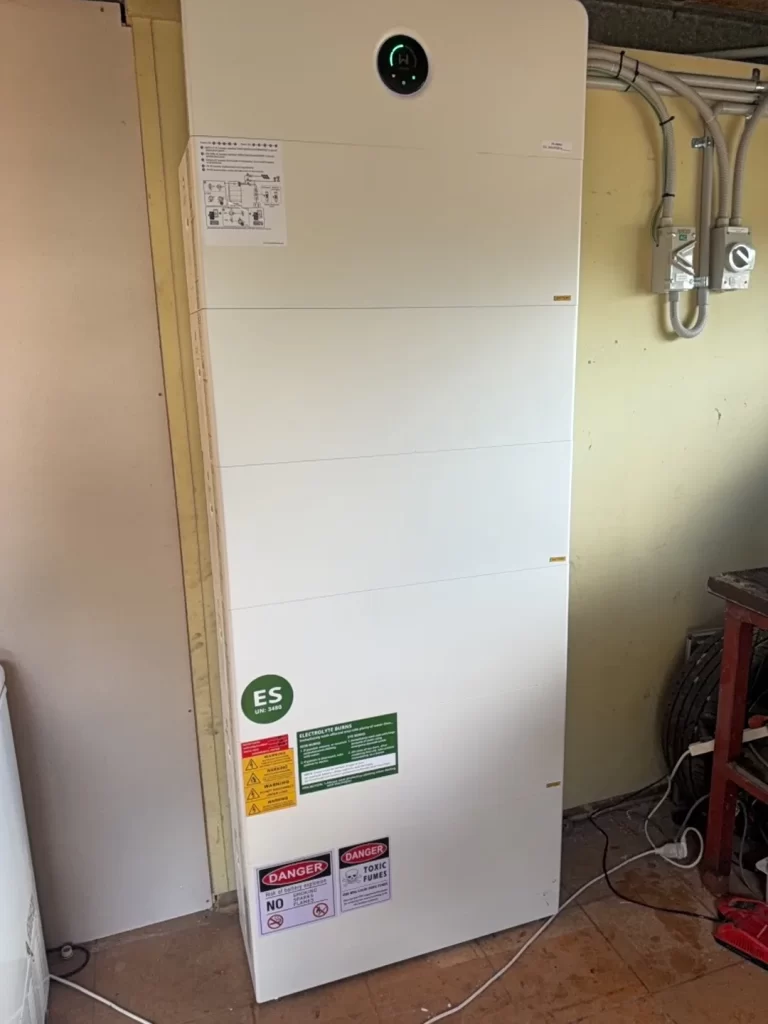
A home battery may be installed in a garage, on an outdoor wall or in another assessed utility area, but no location should be assumed suitable without inspection. The final position must follow the battery manufacturer’s instructions, applicable standards and the installer’s assessment of heat, ventilation, access and surrounding conditions.
At Nexa Solar, we install solar, batteries and EV chargers across Queensland. When homeowners ask where to install a solar battery in Queensland, we explain that the best location depends on the property and the exact equipment selected. A sheltered garage may suit one home, while another needs an assessed outdoor position. Specific clearances, barriers and room restrictions should be confirmed for your proposed battery, not copied from a different product or property.
In short:
- The installer must assess the proposed battery location.
- Heat, ventilation, weather exposure and access all matter.
- Manufacturer instructions apply to the exact battery model.
- Do not install, move or modify battery equipment yourself.
Can a Solar Battery Go in the Garage?
A garage may be considered, but suitability depends on the layout, how the space is used and the manufacturer’s installation instructions. The installer should assess the proposed wall, the surrounding area, ventilation and exposure to heat. The location must also allow the equipment to be installed, inspected and accessed without getting in the way of normal use of the garage.
Do not assume any empty section of wall is suitable. Doors, windows, vehicles, storage, electrical equipment and other features of the property can all affect the final position. Clearance distances, protection measures and fire-rating requirements depend on the applicable standard and the selected equipment, so ask the installer to confirm them for your exact battery and garage position.
The battery should not be covered, enclosed or surrounded by stored items unless the manufacturer’s instructions and the approved design allow it. Ask how the area needs to be kept clear after handover.
For eligible systems under the Cheaper Home Batteries Program, the Clean Energy Regulator says the battery must meet AS/NZS 5139:2019 and be installed by an accredited installer with the appropriate battery endorsement.
Can a Solar Battery Be Installed on an Outdoor Wall?
An outdoor wall is another possible location. It keeps the battery outside the home, but the installer must consider local conditions and the equipment’s environmental requirements. Queensland properties can experience heat, direct sunlight, humidity, heavy rain and severe weather. The installer should assess how exposed the proposed wall is and whether the manufacturer permits that type of installation.
A shaded wall is not automatically suitable. Airflow, access, surrounding structures and the wall itself still need to be assessed, and an area shaded in the morning may get direct sun later in the day. The installer should also consider how rainwater moves around the property, since gutters, downpipes, surface drainage and low-lying areas can affect exposure.
Do not build an enclosure or add screening around a battery without professional advice. It may affect ventilation, heat management, access or compliance with the product instructions. For broader preparation around severe weather, read our guide to solar battery backup and storm season.
Could the Battery Go in a Shed, Utility Area or Inside the Home?
A shed or utility area may seem convenient, particularly when it already has electrical equipment. Its suitability depends on ventilation, temperature, construction, access and how the space is used. A detached shed can run at different temperatures from the main home, so the installer should assess whether the space stays within the manufacturer’s permitted operating and installation conditions.
Installing a battery inside the home needs particularly careful assessment. Do not assume that a hallway, cupboard, storage room or other available space is permitted just because the equipment fits. Which rooms are allowed depends on the current standard, the manufacturer’s instructions and the property assessment, so ask your installer to confirm in writing.
For an eligible federal installation, the battery must appear on the Clean Energy Council approved battery list. The Council’s guidance explains how approved products support program eligibility.
How Do the Location Options Compare?
| Location option | General advantages | General matters to check | Question to ask your installer |
| Garage | May provide shelter and convenient access | Heat, ventilation, wall suitability, surrounding items and how the space is used | Is this exact garage position permitted for the proposed battery? |
| Outdoor wall | Keeps equipment outside the home | Sun, rain, humidity, drainage, access and manufacturer requirements | What protection does this battery need in this outdoor position? |
| Shed or utility area | May place equipment away from living areas | Temperature, airflow, construction, electrical layout and access | Does this space stay suitable under the manufacturer’s conditions? |
| Inside the home | May appear protected from outdoor weather | Permitted location, ventilation, surrounding rooms, access and applicable protection | Is this indoor location allowed under the standard and product instructions? |
The table is a starting point. It does not replace a site assessment or confirm that any location is compliant.
Why Do Ventilation and Heat Matter in Queensland?
Battery equipment must operate within the conditions specified by the manufacturer. Heat can build up in garages, sheds, enclosed utility areas and outdoor positions exposed to direct sunlight. Ventilation and airflow need to be considered as part of the design. That does not mean you should add fans, vents or enclosures yourself, because any change around the battery could affect the approved installation.
Ask the installer whether the proposed position gets direct afternoon sun, whether surrounding items could restrict airflow, and how access will be maintained. The answer should relate to your exact battery model. Monitoring can help identify alerts after installation, but it does not make an unsuitable location acceptable. The physical position should be assessed before the battery goes in. If you are unfamiliar with battery components, our guide to how solar batteries work is a plain-language starting point.
Battery Location Glossary
- Accredited installer: A qualified installer holding the appropriate accreditation for the battery installation.
- Approved battery list: The Clean Energy Council list of battery products that meet the applicable approval requirements.
- Clearance: The space required around equipment under the applicable design and installation instructions. It differs between products.
- Ventilation: Air movement around the battery installation area, assessed according to the product and location.
- Usable capacity: The portion of stored battery energy available for use.
Where Does Nexa Solar Install Home Batteries in Queensland?
Nexa Solar provides solar, battery and EV-charger installation across Queensland. Your battery position is assessed for your property and the proposed equipment, not chosen from a standard template. Browse our solar systems Queensland page for the options, or read about our Gold Coast solar, battery and EV charger systems if you are planning a home energy installation in South East Queensland. Central Queensland households can see our solar installation in Rockhampton page. In every location, the final position is confirmed through the installation assessment and the requirements for the selected equipment.
Frequently Asked Questions
Is a garage always the best place for a battery?
No. A garage may be considered, but the installer must assess temperature, ventilation, access, surrounding features, and manufacturer requirements. The best location depends on the property and the battery model.
Can a battery be installed in direct sunlight?
Only if the manufacturer’s instructions for that battery allow it. Do not assume an outdoor-rated product can go in any exposed location. Ask the installer to confirm the permitted sun and weather exposure for your model.
Can I build a cupboard around my battery?
Do not enclose or modify the area around a battery without professional advice. A cupboard or screen may affect airflow, heat, access or compliance with the approved installation.
Can I move the battery after it has been installed?
You should not move battery equipment yourself, because relocation involves electrical and installation requirements that must be assessed and completed by qualified professionals. For the federal discount, the Regulator also says the battery must stay at the property until the later of the end of its warranty period or the end of 2030, so moving it to another property makes it ineligible.
Need Help Choosing a Safe and Practical Battery Position?
Speak with our solar battery installers Queensland team and request an assessment for your property.
Follow our social media pages below for more updates:
Find out more articles that can help you with your solar power system needs below:
- Off-Grid vs Grid-Tied Solar: Which Suits Regional Queensland Properties?
- Best Solar Battery Brands for Queensland Homes: Sungrow vs GoodWe vs Powerwave
- Solar Battery Sizing Guide: How Many kWh Does a Queensland Household Need?
- Storm Season Prep: How a Solar Battery Keeps Queensland Homes Powered During Outages
- Solar Battery Installers Queensland: What to Ask Before You Sign a Quote