 1300 138 591
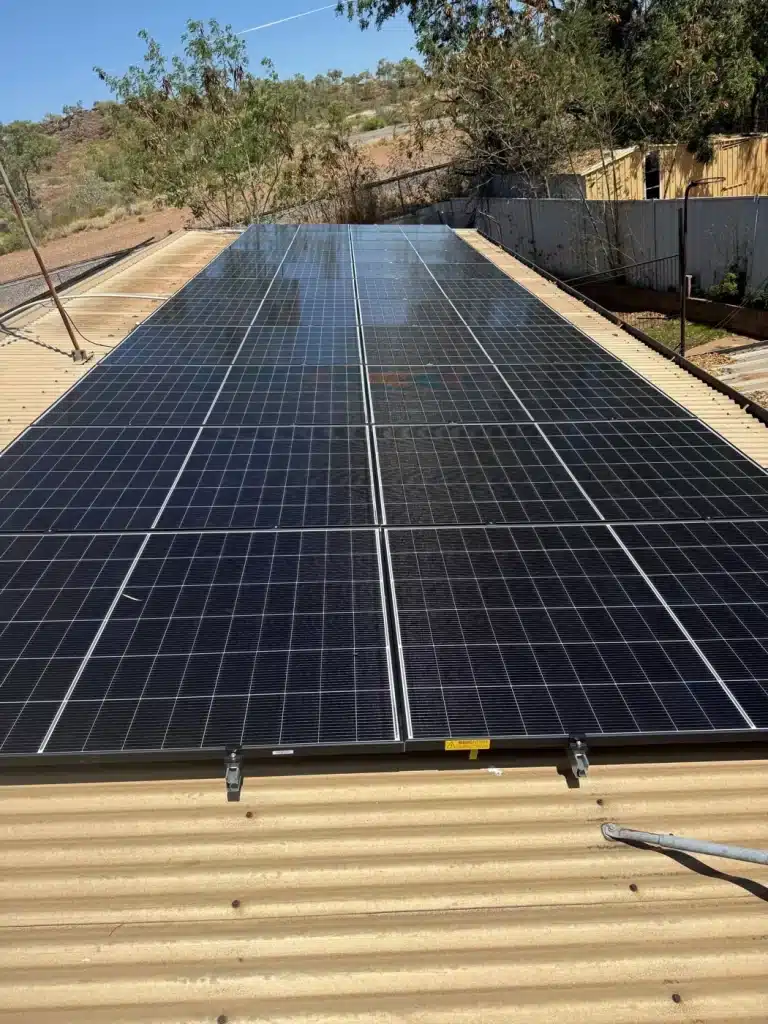
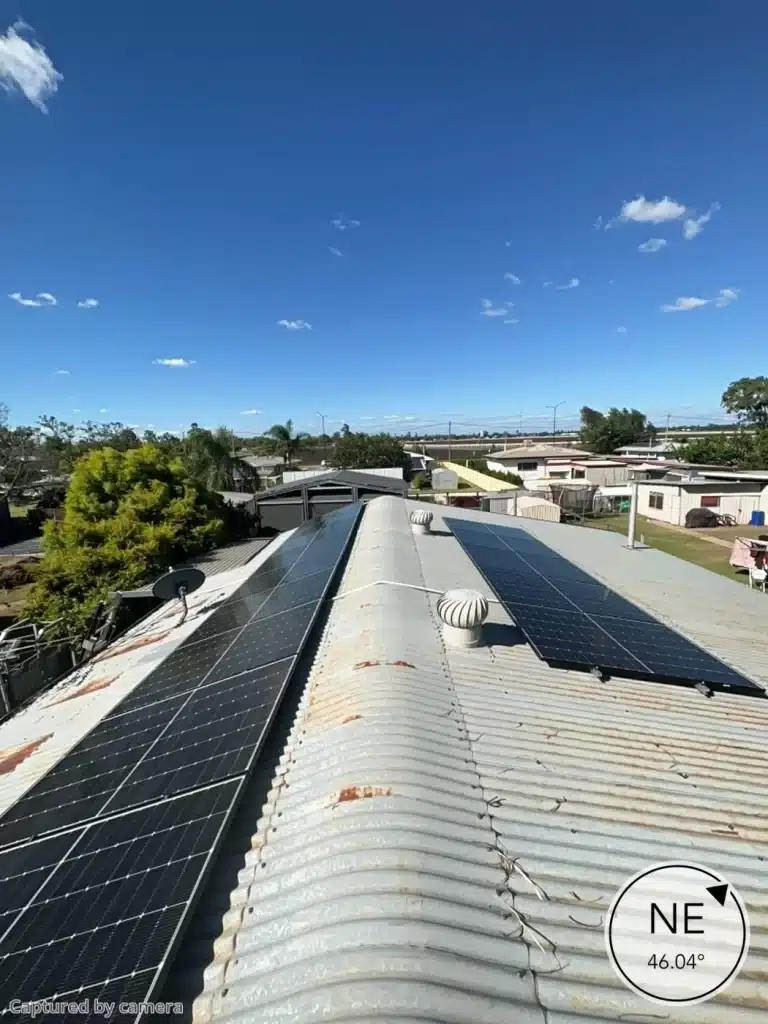
The short answer: A solar farm is a very large version of your rooftop system. Rows of panels make direct current power, inverters turn it into the alternating current the grid uses, and a transformer lifts the voltage so it can travel down the power lines.
The parts of a solar farm
- Panels, often mounted on trackers that follow the sun across the sky.
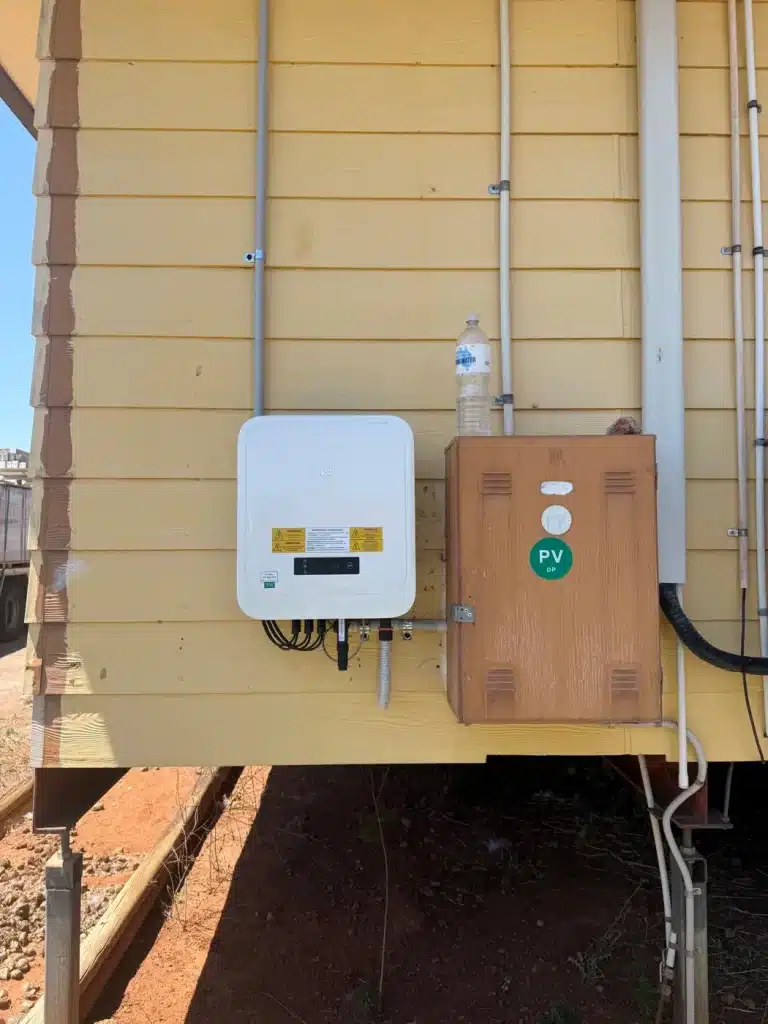
- Inverters, the same job as at home, just much bigger. See how solar inverters work.
- Transformers and a substation, which connect it to the network.
- Sometimes big batteries, which store midday power for the evening peak.
Why regional areas get them
Solar farms need lots of flat land, strong sunshine and a nearby grid connection with spare capacity. That points straight at the Western Downs, Central Queensland and the paddocks around Dalby, Chinchilla and Emerald. If one turns up next door, that is why.
Does it change your power bill?
Not directly. Your bill is set by your retailer, network charges and market prices. Big solar tends to push down wholesale prices in the middle of the day, which is part of why retailers are now chasing midday customers with cheap offers. It does not, on its own, shrink your bill the way your own panels do.
Does it differ by state?
The market structure and approvals vary between QLD, NSW, WA and Tasmania. WA’s main grid is separate from the eastern states, and Tasmania leans heavily on hydro. The solar farm basics stay the same.
Farm versus your roof
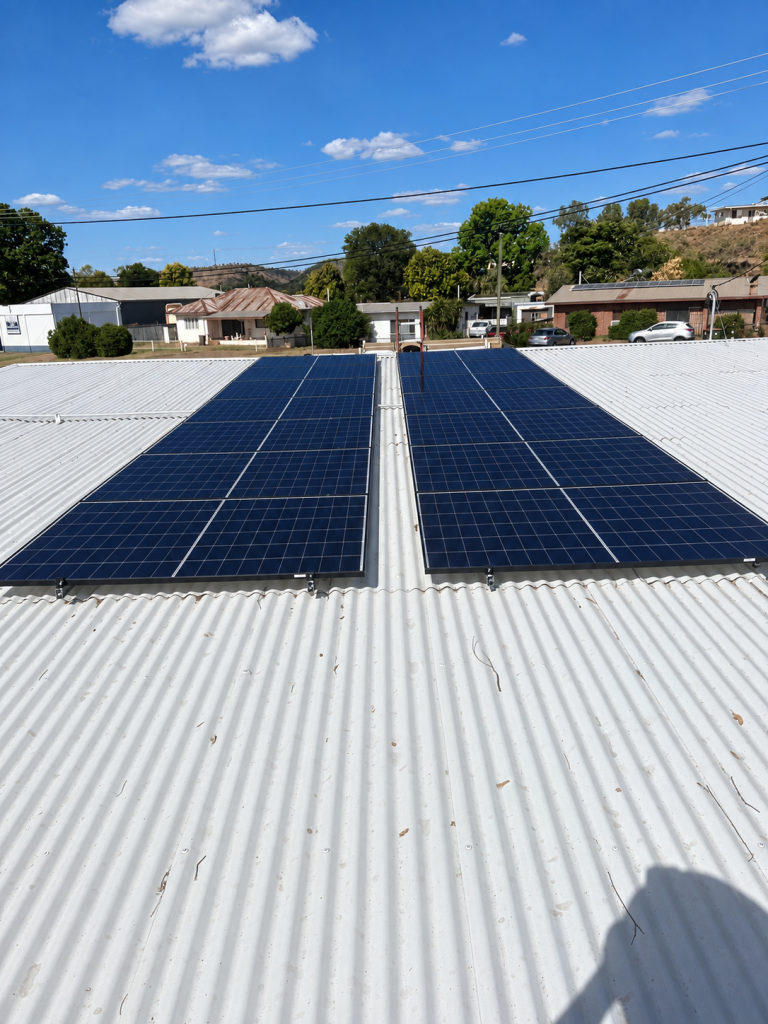
A farm sells power to the market. Your roof saves you buying power in the first place, and every kWh you use yourself is worth more than the small payment for exporting it. Read how feed-in tariffs work.
So, what should you do?
You cannot buy into the paddock next door, but you can build your own little version on your roof or shed. Book a free Energy Assessment and we will size it from your power bill.
General information only, current at November 2026. Prices, rebates and tariffs change, so check current terms before you buy.
Want a straight answer for your place?
Book a free Energy Assessment. We start with a call, come out to your place if it suits, look over your power bill and any existing solar, and give you a recommendation that fits. No pressure, no sales theatre.
Book a free Energy AssessmentPrefer to talk? Call 1300 138 591