
 1300 138 591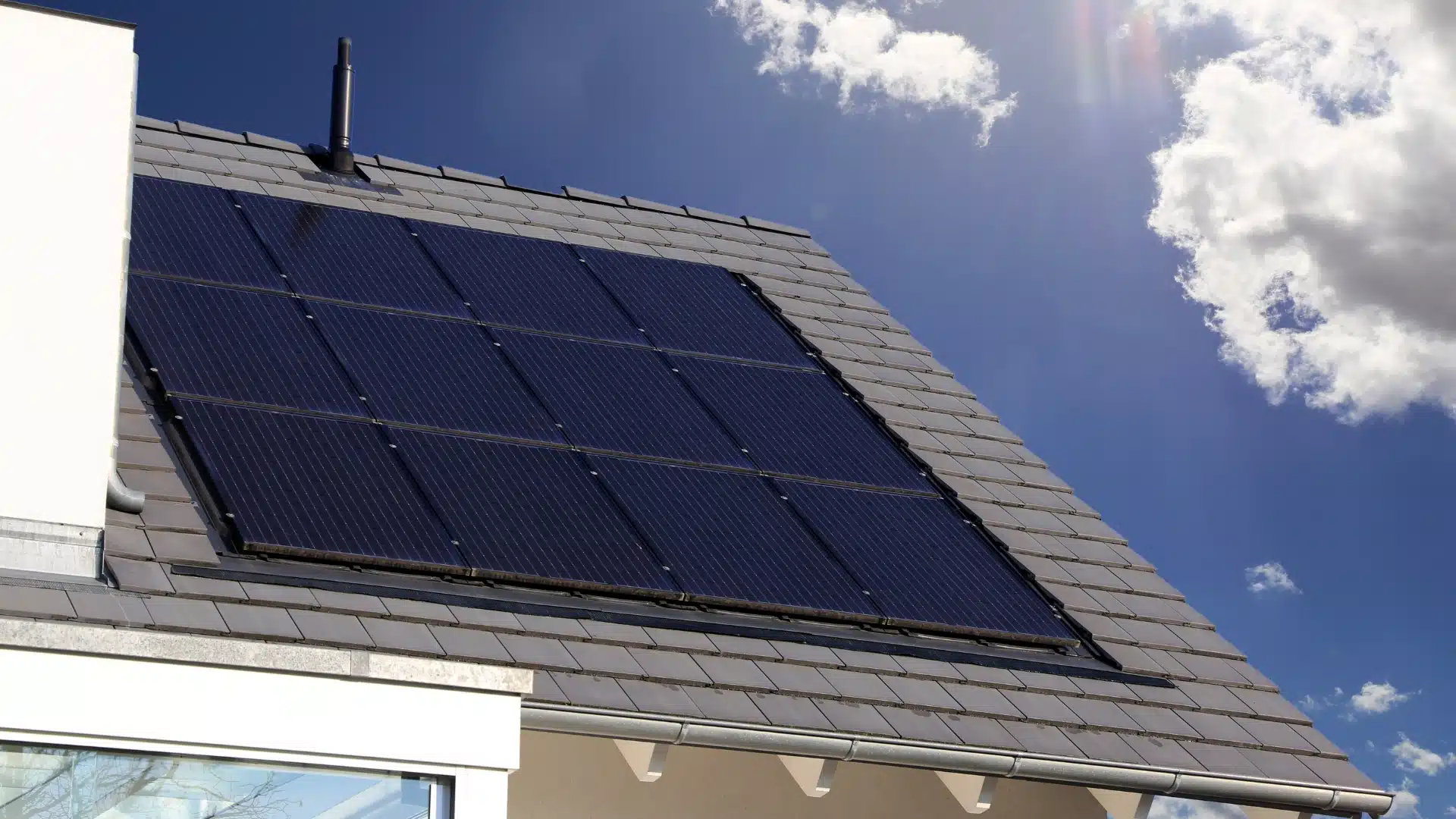
Have you ever opened your electricity bill and wondered how much longer energy prices will keep rising? Many Australian homeowners are asking the same question as power costs continue increasing year after year.
At Nexa Solar, we regularly speak with families who are looking for practical ways to lower their electricity bills and gain more control over their household energy use. One of the biggest questions we hear is how much a whole-home solar system costs and whether the investment is actually worth it long term. While solar technology has become much more common across Australia, many homeowners still feel overwhelmed by confusing pricing, battery options, rebates, and installation choices.
The good news is that Whole Home Solar Solutions are becoming more affordable, more efficient, and more flexible than ever before. Modern systems can now power homes, store excess energy, and even support electric vehicle charging through a solar EV charging system.
In this guide, we will explain what a whole home solar system includes, what affects the overall cost, and how Australian households can save money through smarter energy solutions in 2026.
How Much Is a Whole Home Solar System in 2026?
In Australia, the cost of a whole home solar system in 2026 can vary widely depending on the size of the home, energy usage, battery storage capacity, and additional features like EV charging integration. A smaller solar-only system may cost between $5,000 and $10,000 after government rebates, while larger Whole Home Solar Solutions with battery storage can range from $15,000 to $35,000 or more. Homes that include advanced battery systems, backup power capabilities, and solar EV charging system integration will generally fall toward the higher end of the price range. Factors such as solar panel quality, roof complexity, installation requirements, and household electricity usage also affect total costs. While the upfront investment may seem significant, many homeowners recover costs over time through lower electricity bills and long-term energy savings. More Australians are also adding EV chargers australia solutions to support electric vehicle charging directly from solar energy. At Nexa Solar, we help homeowners design customised Whole Home Solar Solutions that balance energy independence, long-term savings, and practical everyday performance for Australian households.
What Is Included in a Whole Home Solar System?
A complete whole home solar system includes several important components that work together to generate, store, and manage electricity for the household.
Solar Panels
Solar panels capture sunlight and generate electricity during daylight hours. The number of panels installed depends on the home’s energy needs and available roof space.
Solar Inverter
The inverter converts solar-generated electricity into usable power for household appliances and electronics.
Battery Storage System
Battery systems store excess solar energy generated during the day so it can be used at night or during periods of high electricity demand.
Monitoring and Smart Controls
Modern systems often include monitoring apps that allow homeowners to track energy production, battery levels, and electricity usage in real time.
EV Charging Integration
Many homeowners now integrate a solar EV charging system into their setup so electric vehicles can charge using solar-generated electricity rather than relying fully on the grid.
These combined technologies allow homeowners to improve energy efficiency and reduce long-term electricity expenses.
What Affects the Cost of a Whole Home Solar System?
Several factors influence how much a whole home solar system will cost in Australia.
Home Energy Usage
Larger homes or households with high electricity consumption generally require larger solar systems and battery capacity.
Roof Size and Installation Complexity
Roof design, angle, shading, and accessibility can affect installation costs and system performance.
Battery Capacity
Battery storage is one of the biggest cost factors. Larger battery systems capable of powering the home overnight usually increase the overall system price.
Solar Panel Quality
Premium solar panels and inverters may cost more initially, but often provide better efficiency and long-term reliability.
Government Rebates and Incentives
Australian solar rebates and incentives can help significantly reduce upfront installation costs for eligible households.
EV Charging Requirements
Homeowners planning to install EV chargers or integrate electric vehicle charging may require additional equipment and system capacity.
Every home is different, which is why customised system design is so important for long-term performance and savings.
Average Whole Home Solar System Costs in Australia
The cost of solar systems can vary depending on system size and battery storage needs.
Small Solar Systems
Basic solar-only systems without battery storage may cost between:
- $5,000 and $10,000
- Suitable for smaller households with lower energy usage
Medium Solar + Battery Systems
Mid-sized systems with battery storage often range between:
- $12,000 and $20,000
- Suitable for average family homes
Large Whole Home Solar Solutions
Larger systems designed to power most or all household energy needs may range between:
- $20,000 and $35,000+
- Often includes battery storage, backup power, and solar EV charging system integration.
Although larger systems require higher upfront investment, many homeowners benefit from greater long-term electricity savings and reduced grid dependence.
Are Solar Batteries Worth the Extra Cost?
For many Australian households, solar batteries can provide significant long-term benefits.
Battery storage allows homeowners to save excess solar energy generated during the day and use it later at night instead of purchasing electricity from the grid. This can reduce evening electricity costs and improve energy independence.
Battery systems may also provide backup power during outages, helping homes maintain essential electricity during blackouts.
For households with electric vehicles, battery storage can work alongside a solar EV charging system to improve charging flexibility and maximise solar energy use.
While batteries increase initial system costs, many homeowners view them as an investment in long-term energy security and lower electricity bills.
What Is a Solar EV Charging System?
A solar EV charging system allows homeowners to charge electric vehicles using electricity generated from their solar panels.
Instead of relying completely on grid electricity, EV owners can use solar energy to power their vehicles during the day or from stored battery power at night.
As electric vehicle ownership continues growing across Australia, more homeowners are installing ev chargers australia systems alongside solar and battery storage.
Benefits of solar EV charging include:
- Lower transport costs
- Reduced electricity expenses
- Cleaner renewable energy usage
- Improved energy independence
At Nexa Solar, we often design Whole Home Solar Solutions that combine solar panels, battery systems, and EV charging into one integrated energy setup.
How Much Can You Save With Whole Home Solar Solutions?
Potential savings vary depending on household electricity usage, system size, and battery storage capacity.
Many Australian households significantly reduce their electricity bills after installing solar systems. Homes with battery storage and efficient energy usage habits may lower grid dependence even further.
Some households may also earn feed-in tariff credits by exporting unused solar energy back to the grid.
Long-term savings often depend on:
- Electricity prices
- Solar energy production
- Battery usage
- Household consumption habits
Although every situation is different, many homeowners recover their solar investment over several years through reduced energy costs.
Common Myths About Whole Home Solar System Costs
There are still many misunderstandings about solar pricing and system performance.
Solar Is Only for Wealthy Homeowners
Government rebates and improved technology have made solar systems more affordable for many Australian households.
Batteries Eliminate All Electricity Bills Instantly
Battery systems help reduce grid reliance, but most homes still maintain some grid connection depending on energy usage.
Solar Systems Require Constant Maintenance
Modern solar systems generally require minimal maintenance beyond occasional inspections and cleaning.
Solar Is Not Worth It Without Batteries
Solar-only systems can still provide substantial electricity savings for many homes.
Cheap Systems Are Always the Best Value
Lower-priced systems may use lower-quality equipment that performs less efficiently over time.
Understanding system quality and long-term performance is just as important as upfront cost.
Why Australians Choose Nexa Solar For Their Whole Home Solar Systems
At Nexa Solar, we understand how confusing solar pricing and energy decisions can feel for homeowners. That is why we focus on providing honest advice, practical education, and customised solutions designed specifically for Australian households.
We believe homeowners deserve clear information without pressure sales tactics or unrealistic promises. Our team takes the time to explain system options, battery storage, EV charging integration, and realistic long-term savings so customers can make informed decisions confidently.
We specialise in designing Whole Home Solar Solutions that match each household’s energy goals, lifestyle, and future needs. Whether homeowners want lower electricity bills, battery backup power, or integrated EV chargers australia systems, we help create reliable and efficient solutions built for long-term performance.
With experience in solar, batteries, and solar EV charging system integration, Nexa Solar helps Australian homeowners build smarter, more energy-independent homes for the future.
Frequently Asked Questions
How much is a whole home solar system in Australia in 2026?
The cost of a whole home solar system in Australia in 2026 can range from around $5,000 for smaller solar-only systems to more than $35,000 for larger Whole Home Solar Solutions with battery storage and EV charging integration.
How much can I save with a whole home solar system?
Savings vary depending on electricity usage, system size, and battery capacity. Many homeowners significantly reduce their electricity bills and recover installation costs over several years.
Can a whole home solar system power an electric vehicle?
Yes, many systems can integrate with a solar EV charging system and support EV charging using solar-generated electricity.
How long do solar panels last?
Most modern solar panels are designed to last 25 years or longer with proper installation and minimal maintenance.
Can I install batteries later if I start with solar panels only?
Yes, many homeowners install solar panels first and add battery storage later as their energy needs or budget changes.
Do whole home solar systems work during blackouts?
Standard grid-connected systems may shut down during outages for safety reasons. However, systems with battery backup and blackout protection can continue powering selected appliances during blackouts.
Are bigger solar systems always better?
Not necessarily. The best system size depends on your household energy usage, budget, roof space, and long-term energy goals.
How do EV chargers affect solar system sizing?
Households planning to install ev chargers australia systems may require larger solar capacity and battery storage to support EV charging efficiently.
Final Thoughts
Understanding how much a whole home solar system in 2026 can help homeowners make more confident decisions about energy independence and long-term savings. While costs vary depending on system size, batteries, and EV charging integration, solar technology continues to become more affordable and efficient across Australia.
Whole Home Solar Solutions offers more than just lower electricity bills. They provide greater energy control, long-term savings, and the ability to support cleaner technologies like electric vehicles and battery storage.
As energy prices continue rising, more Australian households are exploring solar systems as a practical long-term investment for both financial and environmental benefits.
Contact Nexa Solar Today!
If you are considering Whole Home Solar Solutions for your home, Nexa Solar is here to help. Our experienced team can guide you through solar panels, battery storage, and EV chargers australia options designed to match your household energy needs and long-term savings goals. Get your free energy assessment today to learn more about building a smarter and more energy-efficient home in 2026.
Follow our social media pages below for more updates:
Find out more articles that can help you with your solar power system needs below: