 1300 138 591
To manage Gold Coast summer energy bills, prepare high-use appliances before hot weather arrives, run flexible loads during daylight hours and review your electricity tariff. Solar can supply daytime demand, while a correctly sized battery can store surplus generation for evening air conditioning and other household loads. Summer on the Gold Coast often means more time in the pool, more loads of washing and much longer air conditioner use. Beachside humidity and hot hinterland conditions can make cooling feel essential rather than optional. The good news is that small changes to when and how you use electricity can make a meaningful difference.
The best approach is to improve household energy habits first, then assess whether solar or battery storage could reduce the amount of electricity purchased from the grid. Homeowners considering solar battery installation Gold Coast solutions should begin by reviewing when they consume the most electricity and how much surplus solar energy is available. At Nexa Solar, we assess actual energy use and future needs instead of recommending a generic package.
Why Do Gold Coast Summer Energy Bills Increase?
Air conditioning is usually one of the largest contributors to higher summer electricity use. The system may run for longer during hot afternoons and continue working into the evening when the house is still holding heat. Dirty filters, blocked outdoor units and poor temperature settings can make the system work harder than necessary. Pool pumps can also add a substantial daily load, particularly when they run for several hours. Refrigerators, freezers and other cooling appliances may cycle more frequently during hot weather. School holidays, visiting relatives and more time spent at home can add further demand through cooking, entertainment, showers and laundry. The timing of this energy use is just as important as the total amount. A home with solar may generate plenty of electricity during the middle of the day but still buy energy from the grid after sunset. This is why reviewing your daily usage pattern is more useful than looking only at the total shown on the bill.
Anyone searching for ways to reduce electricity bills in a Queensland summer should begin with controllable loads. Air conditioning, pool equipment, laundry appliances, hot water and EV charging may all offer opportunities to move consumption into lower-cost periods or hours when rooftop solar is produced.
What Should Be on Your Summer Prep Checklist?
Use this practical checklist before the hottest months arrive:
- Clean the air conditioner filters. Dust and debris can restrict airflow and make the system work harder. Follow the manufacturer’s instructions, and arrange professional servicing if the system is noisy, leaking, or struggling to cool the home.
- Choose a sensible temperature setting. Setting the air conditioner extremely low can increase demand without making the home comfortable much faster. Use fans with air conditioning where practical, close blinds against direct sun and cool only the rooms being used.
- Check doors and windows for air leaks. Gaps around doors, damaged seals and open windows allow cooled air to escape. Simple draught control can help the home maintain a more comfortable temperature.
- Review pool pump operating times. If the home has solar, consider running the pump during productive solar hours instead of overnight. Confirm the required filtration schedule with a pool professional before changing its run time.
- Move flexible appliances into daylight hours. Run the dishwasher, washing machine, and dryer when solar production is available. Stagger large appliances where possible so they are not all drawing power at once.
- Schedule EV charging carefully. If an electric vehicle is usually at home during the day, solar-assisted charging may reduce grid consumption. Otherwise, check whether the electricity plan offers a suitable off-peak charging period.
- Review the electricity retailer plan and tariff. Check the usage rate, daily supply charge, feed-in tariff and any time-of-use periods. A plan that suited the household previously may not suit its current consumption pattern.
- Inspect the inverter monitoring app. Make sure the system is generating and that the app is reporting normally. Look for unexplained reductions, error messages, or periods with no recorded output. Contact the installer if something appears wrong.
- Check battery settings if one is installed. Confirm that the battery is following the intended charging schedule and maintaining any backup reserve selected by the household.
- Compare recent electricity bills. Look at daily use rather than only the dollar total. Note when air conditioning, the pool pump and other major appliances usually operate, as this information helps identify where changes may have the greatest effect.
These steps provide a clearer picture of the property before any equipment decision is made. They can also help explain why aircon running costs vary so widely between Gold Coast households. The home’s layout, insulation, system condition, thermostat setting and operating hours all affect consumption.
How Can Solar Help Reduce Summer Electricity Use?
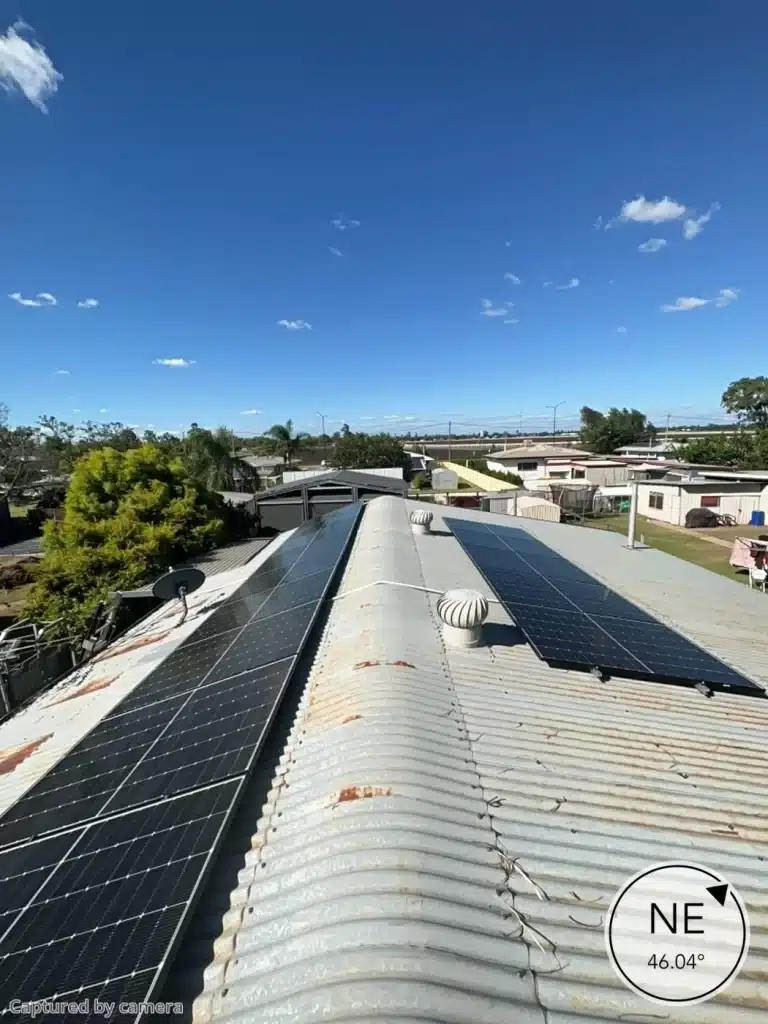
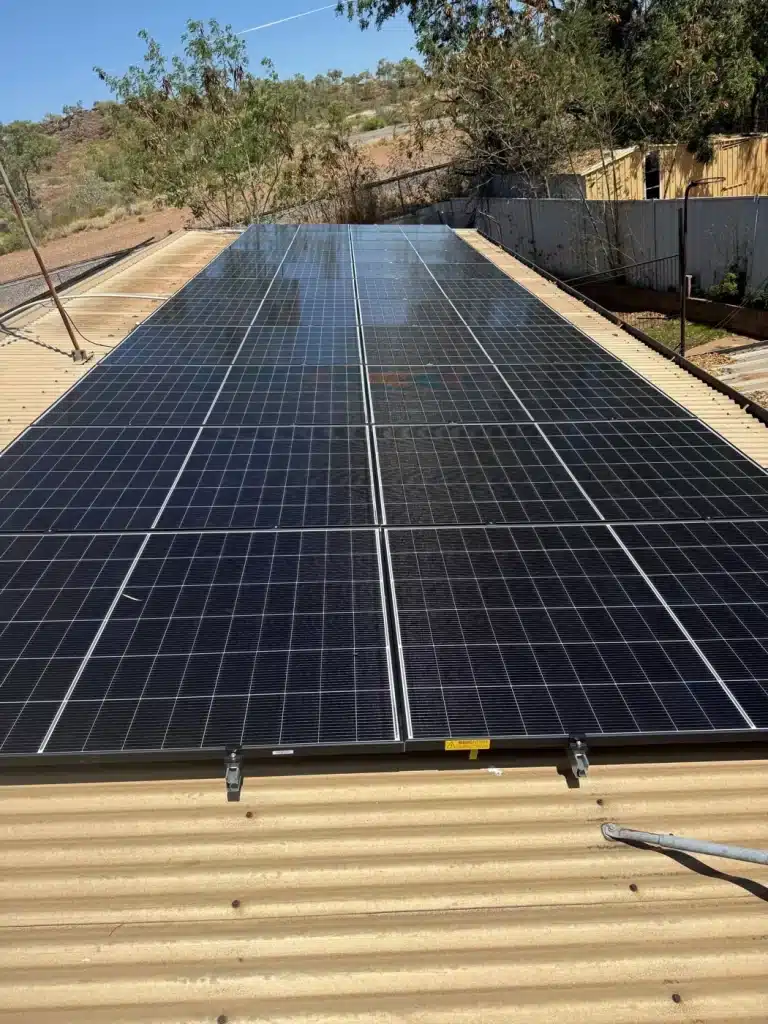
Long summer days can support strong rooftop solar generation, giving a household more time to power appliances directly from the sun. However, generation is not constant. Cloud cover and afternoon storms can reduce output, while roof direction, shading, system size and equipment condition also affect production.
The most direct value usually comes from using solar electricity as it is generated. Pool pumps, washing machines, dishwashers, hot water systems and EV chargers may be scheduled during the day where the property and equipment allow it. This reduces the amount of energy sent to the grid and bought back later.
A household with moderate electricity use may consider a 6.66kW solar system, while a family with higher demand could explore a 10.36kW system or 13.32kW solar system. The right option depends on electricity bills, usable roof space, connection requirements and future plans.
Our Gold Coast solar and energy solutions are designed around the property rather than the largest system the budget allows. Oversizing without considering consumption, export settings and roof conditions may produce energy that the household cannot use effectively.
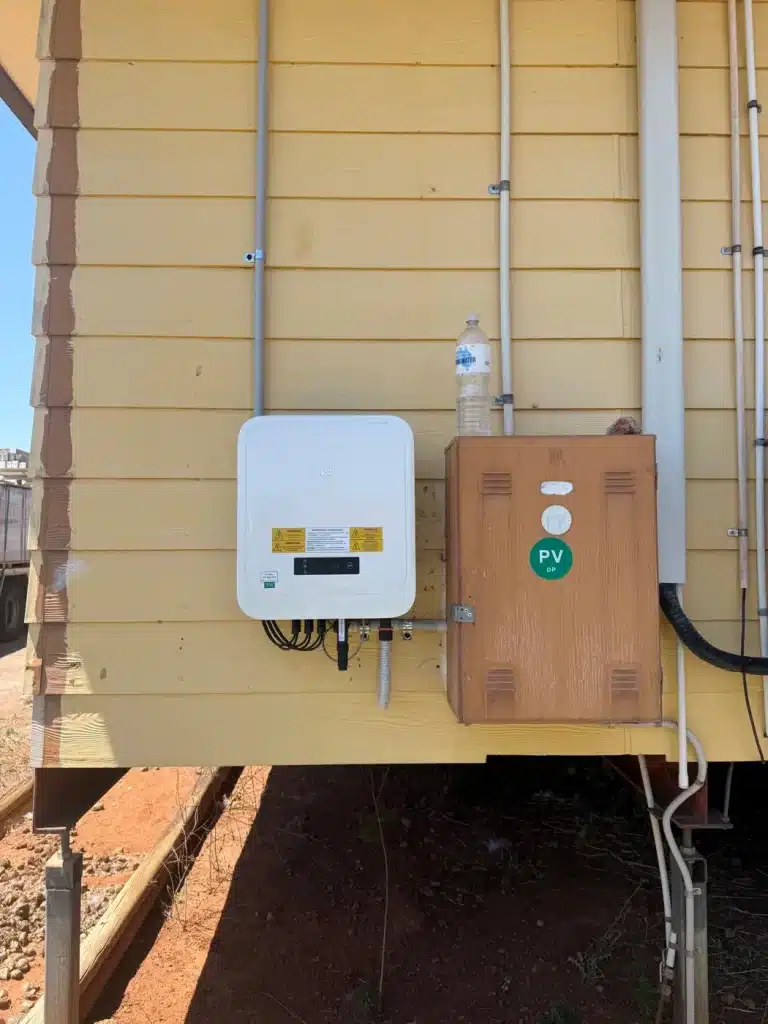
Before summer, existing solar owners should open the inverter monitoring app and confirm that production appears normal. The app cannot diagnose every problem, but missing data, repeated errors or a clear unexplained decline may justify an inspection before electricity demand rises.
When Does a Battery Help With Evening Air Conditioning?
Solar panels generate electricity during daylight hours, but many Gold Coast homes experience their highest summer demand in the late afternoon and evening. This is when people return home, prepare dinner, use entertainment appliances, and run air conditioning after solar production has declined. Electricity that is not used during the day may be exported to the grid. The household then purchases energy later when evening demand is higher. A battery changes this pattern by storing some surplus solar generation for later use. This is where a battery can earn its keep during summer. Stored energy may help run selected household loads after sunset, including evening cooling, provided the battery has suitable usable capacity and power output. It can reduce grid purchases, although the result depends on the household’s consumption, solar surplus, tariff and battery configuration.
A battery’s kilowatt-hour capacity measures how much energy it stores. Its kilowatt rating measures how much power it can deliver at one time. Both figures matter because air conditioners, electric ovens and other large appliances can create substantial simultaneous demand.
Homeowners considering solar and battery options for a Gold Coast summer should also understand that blackout protection is not automatic. Backup only works when the battery, inverter and switchboard are designed and configured for it. It usually supplies selected essential circuits rather than every appliance in the home.
Our Gold Coast battery installation service includes an assessment of electricity use, existing solar equipment and backup priorities. Battery-only upgrades may be possible, but the existing inverter must be hybrid-compatible or the system may require an AC-coupled battery or inverter upgrade. Nexa Solar installs GoodWe, FoxESS and AlphaESS battery options.
Should You Install Solar, a Battery or Both?
Solar may be the logical starting point for a home that uses considerable electricity during the day. It can supply air conditioning, pool equipment and other appliances while the panels are generating. A household that is empty during the day but busy in the evening may not consume as much solar directly. Battery storage may improve the value of a solar system when the property regularly exports energy during the day and purchases it back after sunset. It can also provide selected-circuit backup when compatible equipment is included and configured correctly. Installing larger solar without a battery can still suit homes with strong daytime loads. However, larger panels combined with a battery may be more useful for households that need energy into the evening. The solar array has more opportunity to cover daytime loads and recharge the battery, while stored energy can support later consumption.
The best decision depends on interval usage data, roof space, inverter compatibility, export arrangements and future plans. A pool, additional air conditioning, an EV or a growing household can change what an appropriate system looks like.
At Nexa Solar, we provide a free energy assessment and custom design rather than relying on generic packages. We review electricity bills, daily usage, existing equipment and expected future demand before explaining the available options.
How Can You Keep Gold Coast Summer Energy Bills Under Control?
Controlling Gold Coast summer energy bills starts with understanding where electricity is being used and when that demand occurs. Service cooling equipment, review pool pump times, move suitable appliances into daylight hours and confirm that the electricity plan still fits the household. Solar can reduce electricity purchased during the day, while a battery may carry surplus generation into the evening. Neither should be selected from a standard package without reviewing the home’s real usage, roof and future plans.
If you want to prepare before the hottest months, Nexa Solar can assess your bills and help identify an appropriate system size. Explore our Gold Coast solar options and home battery solutions for the Gold Coast, or call 1300 138 591 to get a free energy assessment.
Frequently Asked Questions
Does air conditioning use more electricity in very hot weather?
It can. An air conditioner may run longer and work harder when outdoor temperatures are high, filters are dirty or cooled air escapes through gaps. System size, efficiency, thermostat settings and the number of rooms being cooled also affect consumption.
Should I run my pool pump during the day if I have solar?
Daytime operation may allow the pool pump to use electricity directly from rooftop solar. Check the pool’s filtration requirements and your solar production pattern before changing its schedule. A timer or suitable controller can make regular daytime operation easier.
Can solar panels eliminate my summer electricity bill?
Solar can reduce grid electricity purchases, but it does not guarantee a zero bill. Supply charges, evening consumption, poor weather, export limits and the size of the system all affect the result. Savings depend on how closely solar production matches household demand.
Is a battery useful during a Gold Coast summer storm?
A compatible battery can provide backup during an outage only when the inverter and electrical system are designed and configured for backup. Most residential systems support selected essential circuits rather than the entire home. Battery charge and appliance demand also affect backup duration. For more on outage planning, read our guide to storm season prep and solar battery backup.
When should I arrange a solar or battery assessment?
It is sensible to arrange an assessment before summer demand rises, particularly if bills have increased, new appliances have been added, or an EV or pool is planned. Nexa Solar typically completes battery installations within two to four weeks after assessment and design, excluding site or approval complications.
Follow our social media pages below for more updates:
Find out more articles that can help you with your solar power system needs below: