 1300 138 591
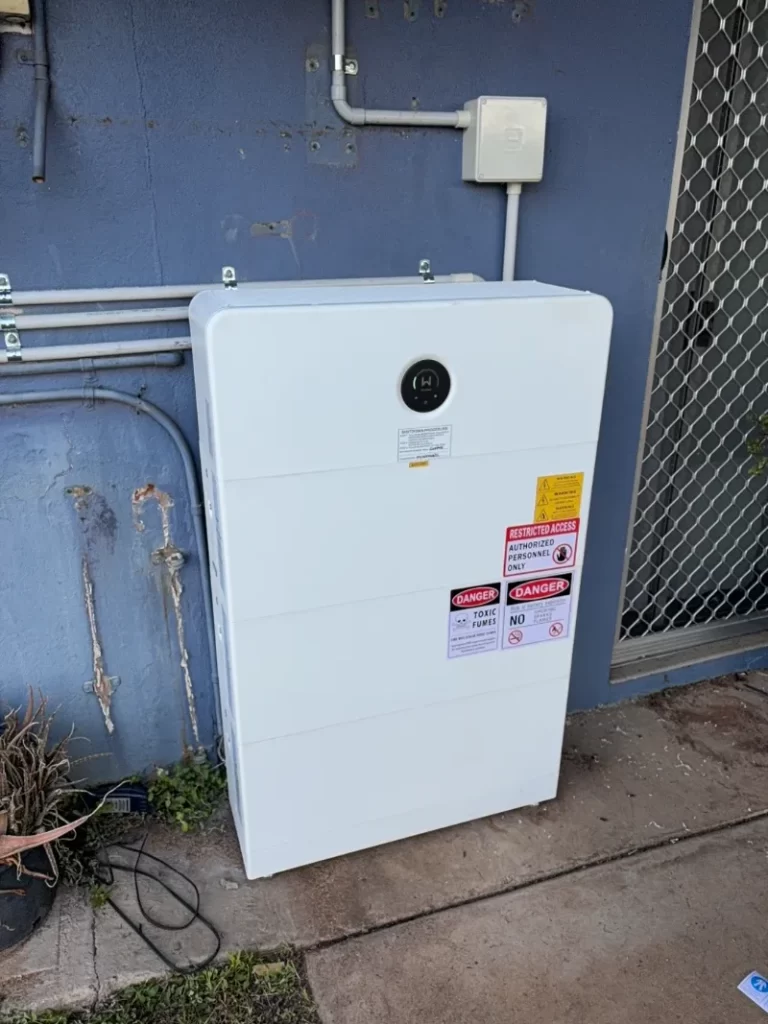
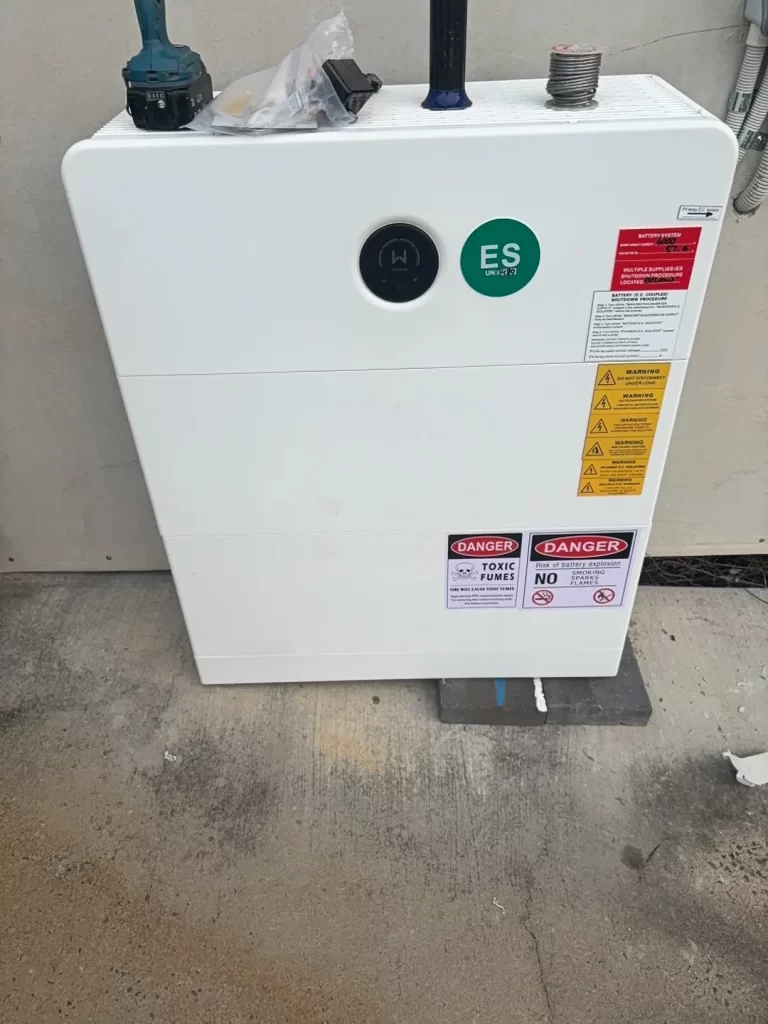
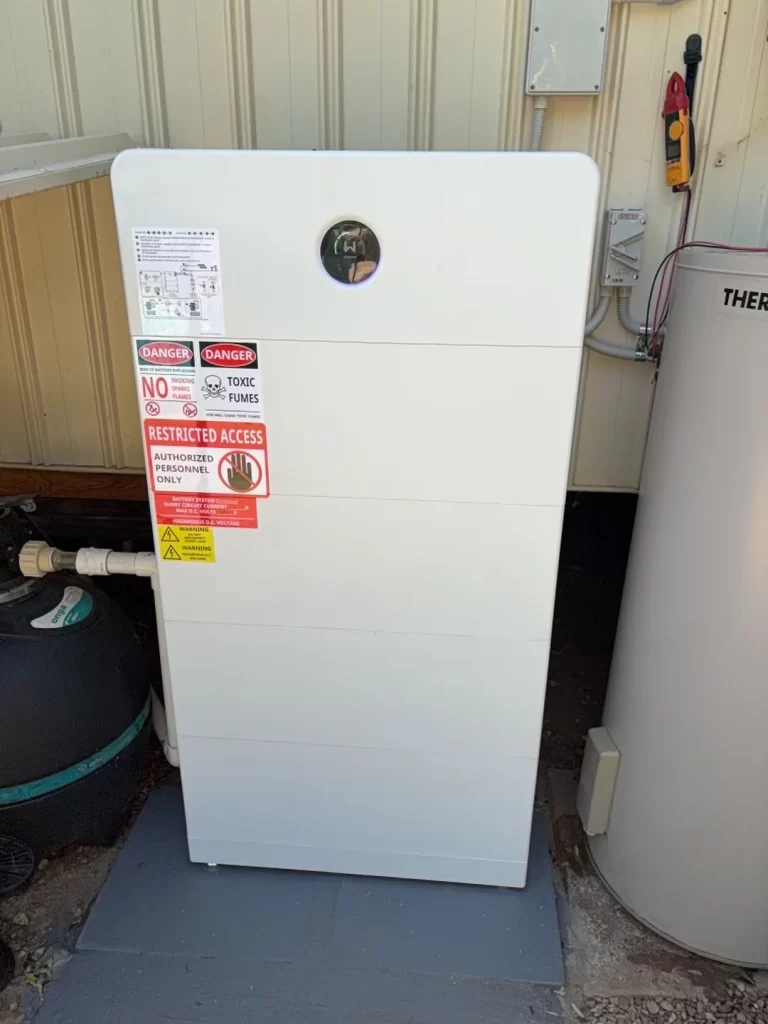
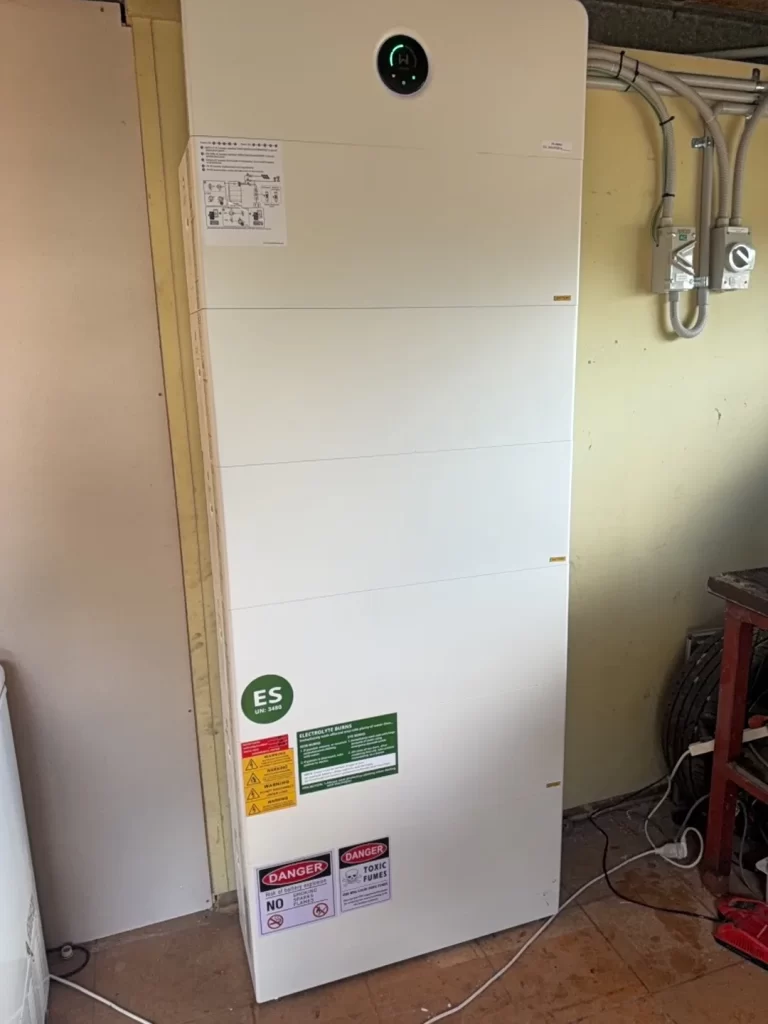
A solar battery installation moves through several stages: the quote, site assessment, system design, approvals, installation, commissioning and handover. How long each stage takes depends on the property, the equipment and any approvals, so your written quote should set out the schedule before you accept it.
At Nexa Solar, we install solar, batteries and EV chargers across Queensland. This guide explains the solar battery installation process Queensland homeowners can expect, from the first enquiry through to switch-on, and what to ask for in writing at each stage.
In short:
- Begin with a written quote that identifies the battery and the installation scope.
- Complete the property assessment before the design is finalised.
- Confirm any approvals, and who is responsible for them, in writing.
- Expect testing, commissioning information and system documents at handover.
How Does the Solar Battery Installation Process in Queensland Begin?
It begins with a quote based on your property and the proposed system. The quote should identify the battery, any inverter or other equipment, the installation work, exclusions and any optional backup configuration.
If your home already has solar, provide the inverter make and model, details of the existing system and any installation documents. A recent electricity bill and any usage data give context for the battery recommendation. Before you accept, ask the company to explain why the proposed usable capacity suits your household.
The quote should also say whether blackout backup is included. Installing a battery and configuring backup are not necessarily the same scope, so ask which circuits the design is meant to support and whether extra equipment is included. It helps to compare the written proposal with our guide to questions to ask a Queensland solar battery installer, focusing on equipment models, included work, exclusions and what you receive after installation.
What Happens at a Solar Battery Site Assessment?
The site assessment is where the proposed system is checked against the actual property. It should settle practical questions that a bill or online enquiry cannot. Ask for the assessment to cover:
- The proposed battery and inverter location
- The equipment included in the design
- Existing solar equipment that will stay in use
- Switchboard requirements
- Access to the installation area and cable routes
- Backup priorities and monitoring requirements
- Any work excluded from the initial quote
If the battery will connect to existing solar, the design should identify which inverter or other components will be used. Do not assume equipment will work together because the product names look similar. If you would like a plain-language overview of charging and discharging first, read how solar batteries work.
The assessment should also flag anything that must be resolved before installation day. Ask for any change to the original scope or price to be provided in writing before work begins.
What Should the Installer Include in the Design?
The final design should identify the exact battery and any inverter or control equipment, and show how the system fits with new or existing rooftop solar. For the Cheaper Home Batteries Program, the battery must be on the approved product list. The Clean Energy Council explains how its approved battery and inverter lists work.
Ask for complete model numbers, not just a brand or product family, so you can check that the quoted system matches the final design. The written design should also explain:
- Nominal and usable battery capacity
- Any inverter included
- Monitoring equipment
- Backup components and the circuits intended for backup
- Where the equipment will be installed
- Work involving existing solar equipment
- Important operating limitations
- Any future expansion discussed during the quote
If the system changes after the quote, ask for an updated written scope.
Which Approvals Are Needed Before Installation?
The approval pathway can vary with the property, the existing system, network requirements and the proposed equipment. You do not need to work this out yourself, but you should ask your installer to confirm it. Ask for written confirmation of:
- Which approvals or notifications apply
- Who is responsible for submitting them
- What information you need to provide
- Whether approval must be received before installation
- What could cause the design to change
- Whether this stage affects the installation schedule
Do not rely on a general timeframe for this stage. Ask for the expected approval and installation sequence to be recorded in the quote or in project correspondence, along with how any delays will be communicated.
What Happens on Solar Battery Installation Day?
Before installation day, you should receive confirmation of the agreed equipment, access requirements and planned work, and an explanation of any preparation needed from you. Do not carry out electrical preparation or alter the installation area unless the installer gives you specific instructions.
According to the Clean Energy Regulator, to qualify for the Cheaper Home Batteries Program, the battery must be new, installed as part of a single job and installed by an accredited installer with the appropriate battery endorsement. It must also meet AS/NZS 5139:2019. The discount is delivered through small-scale technology certificates, and the Regulator’s page sets out the approved-product, installation and certificate requirements.
Before work begins, confirm that the battery and any inverter match the written quote. If substitute equipment is proposed, ask for the change, and its effect on eligibility, to be explained in writing.
How Are Testing, Commissioning and Handover Completed?
Testing and commissioning take place after the equipment is installed. Commissioning is the stage when the system is checked and placed into operation. The exact steps depend on the equipment and approved design, so ask what tests are completed and what records you will receive.
The handover should explain how to view the system through its monitoring platform, including where to find battery charge information, operating status and alerts. If backup equipment is included, ask for a clear explanation of which circuits are covered and what limitations apply. Do not assume the battery supports the whole home unless that configuration is in the written design.
You should receive the documents for your installed system. Ask for warranty information, monitoring access, equipment documentation, and any electrical or commissioning records. Keep them together, since they help with any future warranty claim.
Installation Stages at a Glance
| Stage | What happens | What you should receive in writing |
| Quote | The proposed equipment and work are outlined | Equipment models, capacity, price, inclusions and exclusions |
| Assessment and design | The proposal is checked against the property | Final design, location, backup scope and any quote changes |
| Approvals | Required applications or notifications are addressed | Which apply, who is responsible and their status |
| Installation | The approved equipment is installed in a single job | Confirmation that installed equipment matches the design |
| Testing and commissioning | The completed system is checked and switched on | What was tested and the commissioning records |
| Handover | The system and monitoring are explained | Manuals, warranties, monitoring details and required documents |
Installation Glossary
- Accredited installer: An installer holding the appropriate accreditation for the battery work being completed.
- Approved battery list: The Clean Energy Council list of batteries eligible under relevant program requirements.
- Commissioning: The stage when the installed system is tested and placed into operation.
- STC: A small-scale technology certificate, used to deliver the federal battery discount.
- Usable capacity: The portion of stored battery energy available for use.
Where Does Nexa Solar Install Batteries in Queensland?
Nexa Solar provides solar, battery and EV-charger installation across Queensland, and the details of each project depend on the proposed equipment and the property. Our solar batteries Queensland page brings the options together. Homeowners in South East Queensland can read about solar battery installation on the Gold Coast, and Central Queensland households can see our solar battery installation in Rockhampton page before requesting a property-specific quote. In every location, ask for the installation timing to be confirmed in your written proposal.
Frequently Asked Questions
How long does a solar battery installation take?
It depends on the property, the equipment and any approvals, so there is no single answer. Ask for the expected schedule, from accepting the quote to switch-on, to be written into your quote, along with what could change it.
Do I need approval before a battery can be installed?
Approval or notification requirements depend on the property, network area and proposed system. Ask your installer which application, who submits them and whether they must be completed before installation.
Can a battery be added to an existing solar system?
Often, the design must account for the existing solar equipment that will stay in use. Confirm compatibility and eligibility during the assessment rather than assuming them from the brand name.
What should I receive after the battery is switched on?
Ask for the warranty information, monitoring access, equipment documentation and any electrical or commissioning records, and keep them together.
Ready to Start Your Battery Project?
Explore our solar battery storage Queensland options and request a property-specific quote for your solar battery installation.
Follow our social media pages below for more updates:
Find out more articles that can help you with your solar power system needs below:
- Off-Grid vs Grid-Tied Solar: Which Suits Regional Queensland Properties?
- Best Solar Battery Brands for Queensland Homes: Sungrow vs GoodWe vs Powerwave
- Solar Battery Sizing Guide: How Many kWh Does a Queensland Household Need?
- Storm Season Prep: How a Solar Battery Keeps Queensland Homes Powered During Outages
- Solar Battery Installers Queensland: What to Ask Before You Sign a Quote