
 1300 138 591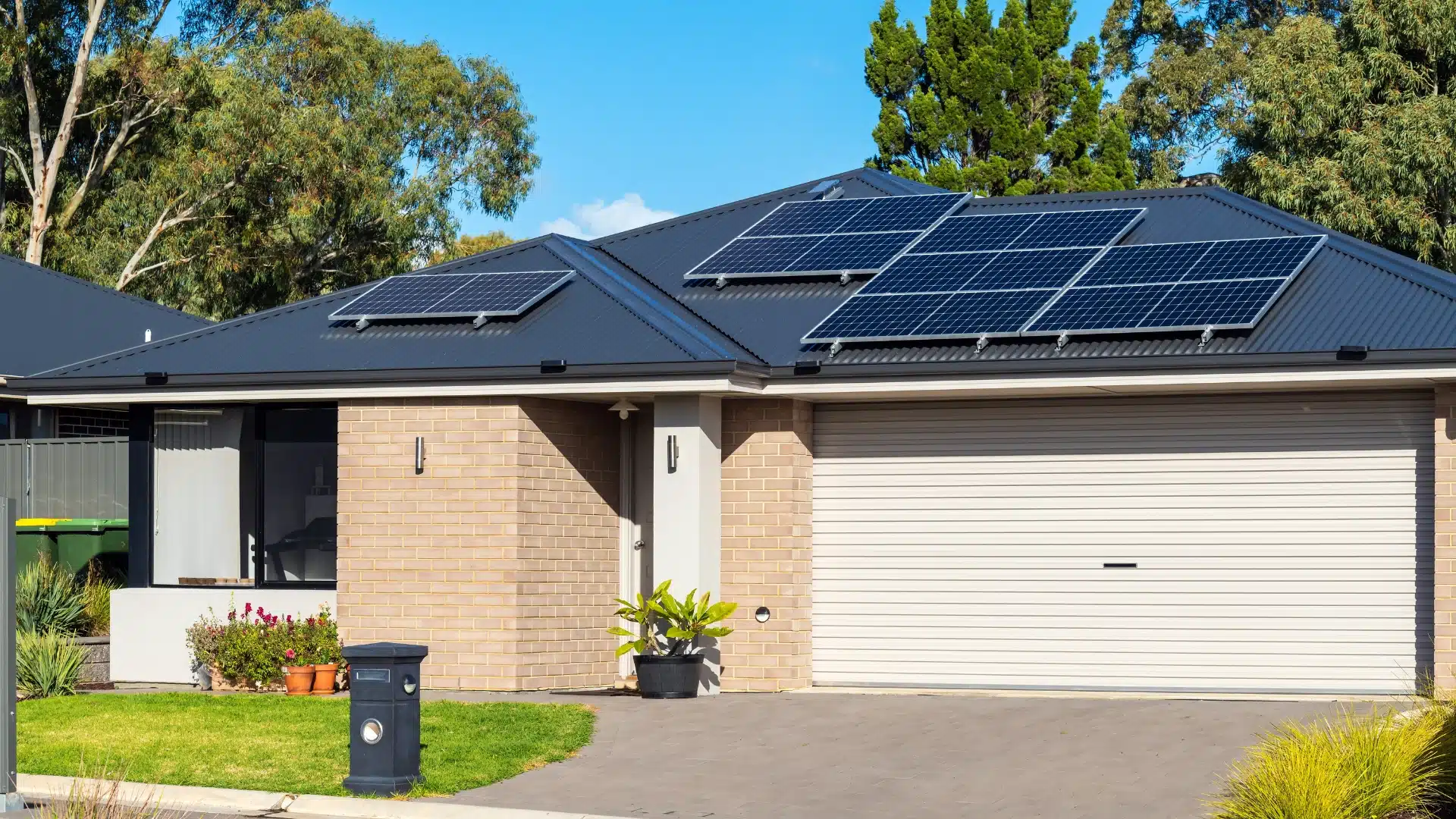
Have you ever looked at an electric vehicle and wondered whether charging it is really cheaper than paying for petrol every week? As more Australians switch to EVs, one of the most common questions we hear at Nexa Solar is how much does EV charging cost at home compared to public charging stations.
Many homeowners are excited about the idea of lower running costs, but they also want honest answers about electricity prices, charging speeds, and the real cost of powering an electric vehicle day to day. The truth is that EV charging costs can vary depending on several factors, including your electricity plan, battery size, charging habits, and whether you mainly charge at home or rely on public fast chargers.
With more Australians investing in home charging systems and searching for the right ev charger au solution, understanding these costs has become more important than ever. While public charging offers convenience during travel, home charging is often where the biggest long-term savings happen.
In this guide, we will explain the difference between home and public charging costs, how EV batteries affect electricity usage, and how smart charging setups can help Australian households reduce long-term energy expenses.
How Much Does EV Charging Cost at Home vs Public Stations?
In Australia, home EV charging is usually much cheaper than using public fast charging stations. On average, charging an electric vehicle at home may cost between $15 and $30 for a full charge, depending on electricity rates, battery size, and charging times. Public fast charging stations are often more expensive, with costs ranging from around $0.40 to over $0.70 per kWh depending on the charging network and charger speed. This means a full charge at a public station can sometimes cost two to three times more than home charging. Many Australian EV owners reduce costs even further by charging during off-peak electricity hours or pairing their vehicle with solar energy systems. Battery size also affects overall charging expenses because larger batteries require more electricity to recharge fully. While public charging offers convenience for road trips and quick top-ups, home charging is generally the more affordable long-term option for daily driving. At Nexa Solar, we often help homeowners choose the right ev charger au solution to improve charging efficiency, lower energy costs, and make EV ownership more practical for everyday Australian households.
| Charging Type | Average Cost | Charging Speed | Best For | Main Benefits |
| Home Charging | $15 to $30 per full charge | Moderate overnight charging | Daily driving and regular use | Lower long-term costs, convenient overnight charging |
| Public Fast Charging | Around $0.40 to $0.70+ per kWh | Faster charging times | Road trips and quick top-ups | Fast and widely available in many locations |
| Solar-Powered Home Charging | Often lower than standard home charging | Moderate overnight or daytime charging | Homeowners with solar systems | Reduced electricity bills and improved energy savings |
| Ultra-Fast Public Charging | Higher premium pricing | Very fast charging | Long-distance travel | Rapid charging for shorter stops |
What Is An EV Battery?
An EV battery is the rechargeable power source that stores electricity and powers an electric vehicle. Instead of using petrol or diesel, EVs rely on battery packs to supply electricity directly to the vehicle’s motor. Most modern electric vehicles use lithium-ion batteries because they are lightweight, efficient, and capable of storing large amounts of energy.
The size of the battery usually determines how far the vehicle can travel on a single charge. Smaller EV batteries may provide around 250 kilometres of range, while larger batteries can exceed 500 kilometres depending on the vehicle model.
When the vehicle is plugged into a charging station or home charger, electricity is stored inside the battery cells. That stored energy is then used to power the vehicle while driving.
Battery size also plays a major role in charging costs. Larger batteries take longer to charge and require more electricity, which increases overall charging expenses. Understanding how EV batteries work helps drivers better estimate charging costs and choose the right charging setup for their needs.
How Does Home EV Charging Work?
Home charging is one of the most convenient ways to keep an EV charged and ready for daily use.
Standard Wall Outlet Charging
Some EVs can charge using a standard household power outlet. However, this method is usually much slower and may take many hours to fully charge the battery.
Dedicated Home EV Chargers
Most Australian EV owners choose dedicated charging systems because they provide faster and more efficient charging. A professionally installed ev charger au setup can significantly reduce charging times and improve convenience.
Solar-Powered EV Charging
Many homeowners pair EV charging with rooftop solar systems to reduce electricity costs even further. Charging directly from solar energy can help offset rising electricity prices and improve long-term savings.
Home charging is often the preferred option because drivers can conveniently charge overnight without relying on public charging availability.
Public EV Charging Stations Explained
Public charging stations are becoming more common across Australia, especially in cities, shopping centres, and along major highways.
Fast Chargers
Fast chargers provide quicker charging than standard home systems and are useful for drivers who need faster top-ups during travel.
Ultra-Fast Chargers
Ultra-fast chargers can significantly reduce charging times and may charge some EVs to 80% capacity within 20 to 40 minutes, depending on the vehicle.
Charging Network Pricing
Public charging stations may charge:
- Per kilowatt-hour (kWh)
- By charging time
- Through membership plans or subscription pricing
Public charging offers convenience, especially for long-distance travel, but it is generally more expensive than charging at home.
Factors That Affect EV Charging Costs
Several factors influence how much EV charging costs in Australia.
Electricity Rates
Electricity prices vary between providers and regions. Off-peak electricity rates are often cheaper than daytime peak pricing.
Battery Size
Larger batteries require more electricity to recharge fully, increasing total charging costs.
Charging Speed
Fast charging generally costs more than slower home charging.
Vehicle Efficiency
Some EVs use electricity more efficiently than others, which affects how much energy is needed for daily driving.
Charging Network Fees
Public charging providers may include additional service or access fees in their pricing.
Understanding these factors can help drivers better estimate ongoing EV charging expenses.
How Long Does An EV Battery Last?
Modern EV batteries are designed to last much longer than many people expect. Most electric vehicle batteries today are built to last between 10 and 20 years or roughly 160,000 to 320,000 kilometres depending on the manufacturer, driving habits, and charging conditions. While EV batteries naturally lose a small amount of capacity over time, this degradation usually happens gradually rather than suddenly. Many EVs continue operating efficiently even after years of daily use. Manufacturers also commonly provide battery warranties lasting eight years or longer for added peace of mind.
Charging habits can affect long-term battery performance as well. Frequent use of ultra-fast charging may increase wear slightly over time, while moderate charging practices often support better battery health. Australia’s hot climate can also impact battery temperatures, which is why modern EVs use advanced battery management systems to regulate heat and improve performance. At Nexa Solar, we often help homeowners choose the right ev charger au setup to support safe, efficient charging and help maintain long-term battery condition.
How Much Does It Cost To Replace An EV Battery?
Replacing an EV battery can be expensive, but battery replacement is far less common than many Australians initially assume. In Australia, replacement costs can range from several thousand dollars to over $20,000, depending on the vehicle model, battery size, and manufacturer.
Luxury EVs and vehicles with larger battery packs usually cost more to replace. However, battery technology has improved significantly over the past decade, and replacement costs continue to decrease as EV adoption grows.
Most EV owners may never need a full battery replacement because modern batteries are designed for long-term durability. Even after many years, most batteries still retain a large percentage of their original charging capacity.
Manufacturer warranties also provide protection. Many EV companies offer battery warranties covering defects or significant degradation for eight years or longer.
Good charging habits, avoiding excessive fast charging, and using a reliable EV charger system can all help extend battery lifespan and improve long-term performance.
Is Home Charging Cheaper Than Public Charging?
For most Australian EV owners, home charging is usually much cheaper than relying primarily on public charging stations.
Charging at home during off-peak electricity hours can dramatically reduce energy costs. Homeowners with solar systems may lower costs even further by using solar-generated electricity during the day.
Public charging stations offer convenience for road trips and emergency charging, but higher electricity rates and service fees often make them more expensive overall.
Home charging also saves time because drivers can charge overnight instead of waiting at charging stations during busy periods.
This is one reason many Australian EV owners choose to install dedicated home chargers shortly after purchasing an electric vehicle.
Tips to Reduce EV Charging Costs
There are several practical ways Australians can lower EV charging expenses.
- Charge During Off-Peak Hours: Electricity prices are often lower overnight or during designated off-peak periods.
- Use Solar Energy: Solar-powered EV charging can significantly reduce electricity bills and improve long-term savings.
- Avoid Excessive Fast Charging: Frequent use of ultra-fast charging may increase costs and contribute to slightly faster battery wear.
- Maintain Battery Health: Keeping the battery in good condition helps improve charging efficiency and long-term performance.
- Choose the Right Charger: Installing an efficient EV charger AU system can improve charging speed, convenience, and energy management at home.
Why Choose Nexa Solar For Your EV Charger AU Needs
At Nexa Solar, we understand that switching to electric vehicles is about more than just transportation. It is about creating smarter, more energy-efficient homes for the future.
We help Australian homeowners choose reliable EV charging solutions that fit their lifestyle, driving habits, and energy goals. Whether you are looking for a faster charging setup, solar integration, or guidance on reducing charging costs, our team is here to provide honest advice and professional support.
As a company, we focus on helping customers feel confident about EV technology and home charging systems. We take the time to explain options clearly and recommend solutions that work best for each household.
If you are searching for a dependable ev charger au provider, Nexa Solar offers experienced guidance, quality installations, and long-term support designed specifically for Australian homes.
Frequently Asked Questions
Is charging an EV at home cheaper than public charging?
Yes, home charging is usually cheaper than public charging in Australia. Many homeowners pay lower electricity rates at home, especially during off-peak hours. Public fast charging stations often charge higher rates for speed and convenience.
How much does it cost to fully charge an EV at home?
The cost depends on your electricity rate and battery size. In Australia, a full home charge may typically cost between $15 and $30 for many electric vehicles.
Do public EV charging stations cost more?
Yes, public fast charging stations are generally more expensive than home charging. Prices can vary depending on the charging network, charger speed, and location.
What affects EV charging costs?
Several factors affect charging costs, including:
- Electricity prices
- Battery size
- Charging speed
- Peak and off-peak rates
- Vehicle efficiency
- Public charging network fees
Is fast charging bad for EV batteries?
Occasional fast charging is safe for modern EVs. However, relying heavily on ultra-fast charging all the time may increase battery wear slightly over many years.
Can solar panels reduce EV charging costs?
Yes, many Australian homeowners use rooftop solar systems to help power their EV charging at home. Solar charging can significantly lower electricity costs over time.
Final Thoughts
As more Australians switch to electric vehicles, understanding how much EV charging costs has become increasingly important. While charging costs vary depending on electricity prices, charging methods, and battery size, home charging is generally the more affordable long-term option for everyday driving.
Public charging stations provide convenience during travel, but many EV owners save the most money by charging at home, especially when paired with solar energy systems.
With the right charging setup and smart charging habits, EV ownership can be both practical and cost-effective for Australian households.
Contact Nexa Solar Today
If you are considering installing a home EV charging system or want help finding the best EV charger AU solution for your home, Nexa Solar is here to help. Our experienced team can guide you through your charging options, recommend energy-efficient solutions, and help make EV ownership easier and more affordable for your household. Get in touch now!
Follow our social media pages below for more updates:
Find out more articles that can help you with your solar power system needs below: